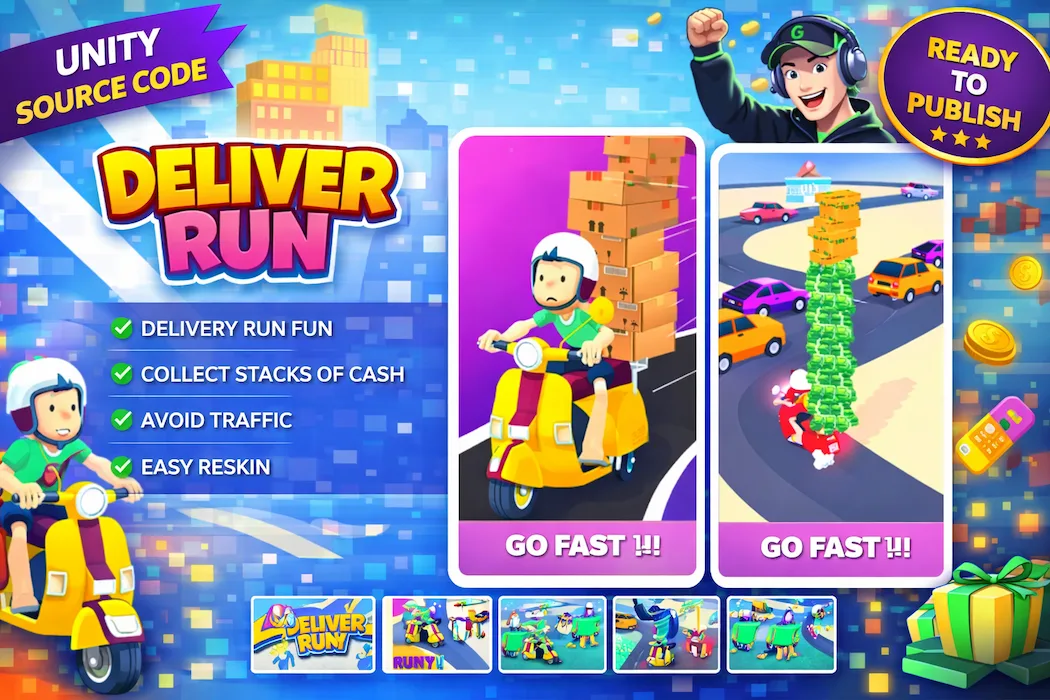

Picture the simplest gameplay idea that still manages to be genuinely fun: grab items, dodge trouble, and get them to the finish line before anything goes wrong. That's the entire premise behind Deliver Run, a hypercasual Unity template designed around a delivery-runner loop that players understand in about two seconds and keep coming back to for weeks.
If you're a mobile game developer trying to skip the slow, expensive part of production — building movement systems, tuning obstacle spawns, wiring up ads — this source code hands you a working game instead of a blank Unity scene. You get the mechanics, the structure, and the monetization hooks already in place, leaving you free to focus on the parts that actually make your version stand out: art, branding, and marketing.
There's a reason "collect and deliver" has become such a durable hypercasual formula. It borrows the instant clarity of an endless runner — move forward, avoid bad stuff — and adds a goal that feels tangible. Players aren't just chasing an abstract high score; they're trying to fill a truck, a bag, or a cart and get it somewhere safely. That framing taps into something almost primal: the satisfaction of completing a task.
It also plays extremely well with short mobile sessions. A round of Deliver Run doesn't demand five uninterrupted minutes. It's built for the commute, the waiting room, the fifteen seconds before a meeting starts — start a run, collect what you can, deliver, done. That bite-sized structure is exactly what keeps retention numbers healthy in the hypercasual category.
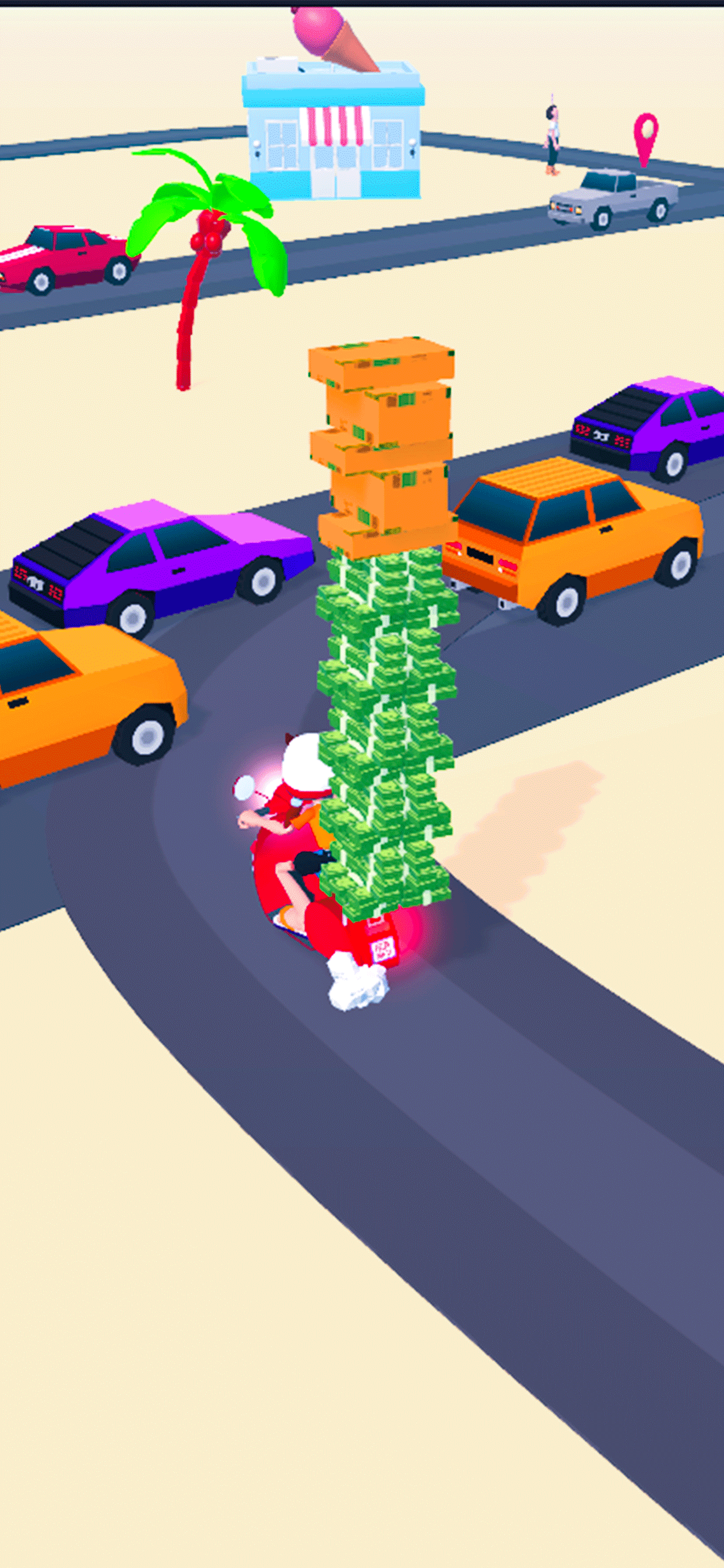
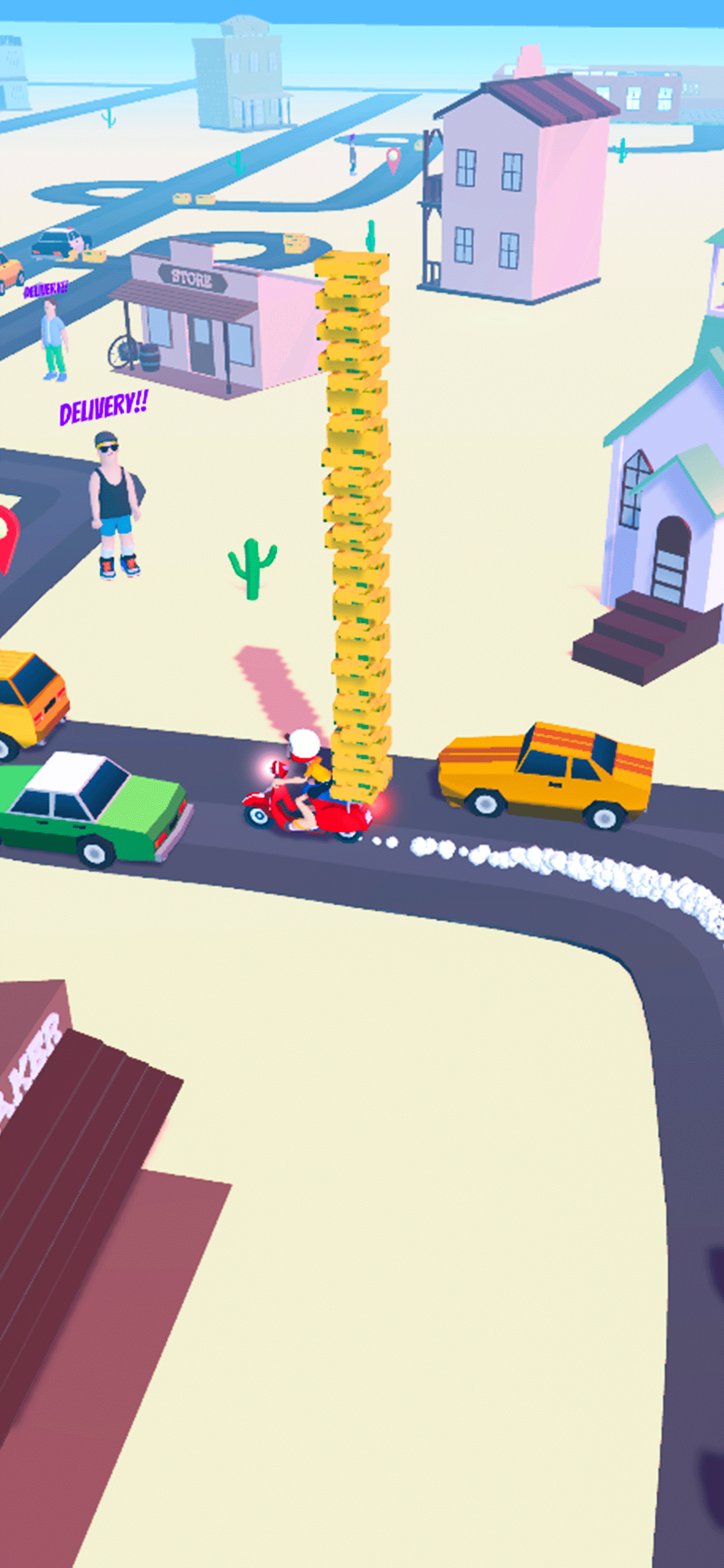
Every round follows the same satisfying arc. The player begins with nothing — an empty load, a clean slate — and immediately starts moving forward through a track scattered with collectible items. Each pickup adds to the load being carried, visibly growing as the run progresses. Along the way, hazards and obstacles threaten to knock items loose or end the run early, so timing and positioning matter just as much as raw collection speed.
Reach the end successfully, and the delivery completes — rewarding the player based on how much they managed to gather along the way. It's a loop that rewards precision without punishing experimentation, which is exactly the balance hypercasual audiences respond to.
This is a complete, functioning Unity project rather than a rough concept demo. A few of the systems already built and tested for you:
Forward-motion controls. Swipe and drag input has been tuned for mobile screens specifically, so movement feels immediate rather than laggy — a detail that matters enormously in a genre where players quit within seconds if controls feel off.
A scaling difficulty curve. Early runs stay approachable to hook new players, while later stages introduce tighter obstacle placement and faster pacing to keep experienced players engaged.
Clean, modular C# scripts. The codebase separates gameplay logic from art and level data, so reskinning the visual theme — or swapping delivery items for something entirely different — doesn't require rewriting core systems.
Pre-integrated AdMob support. Rewarded videos, interstitials, and banner placements are already configured, giving you a monetization baseline you can adjust rather than build from nothing.
Optimized mobile performance. Visuals are kept clean and readable, which keeps frame rates smooth even on mid-range Android devices — a practical necessity given how broad the hypercasual install base tends to be.
One of the strongest advantages of a delivery-style runner is how easily the theme can shift. The underlying mechanic — collect, carry, avoid, deliver — doesn't care whether the player is a pizza courier, a mail carrier, a treasure hunter, or a spaceship hauling cargo across an asteroid field. Only the art and item types need to change.
That flexibility makes Deliver Run a strong candidate for studios running multiple market tests, since the same working codebase can be dressed up in several different visual identities without touching gameplay logic. It's also a practical starting point for developers who want to learn Unity's project architecture by studying a small, focused, already-functional game rather than starting from an empty canvas.
Once the core game is running, there's plenty of room to build further. Common additions developers make to a delivery-runner base include new environment themes, additional item categories with different point values, temporary power-ups like speed boosts or shields, level-based progression systems, and competitive leaderboards to give the loop a social edge. None of these require touching the foundational movement or collection code — they layer on top of what's already there.
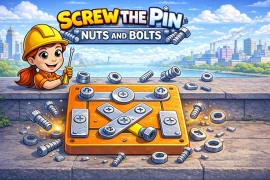
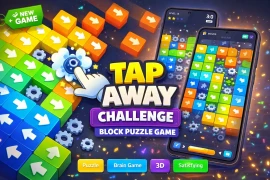
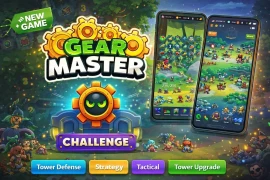
A delivery runner is a great addition to a portfolio, but pairing it with a different gameplay style can help you reach a broader slice of the hypercasual and casual audience. A few combat and action-oriented templates worth considering alongside this one:
Combining a calm, objective-driven game like Deliver Run with something faster and combat-focused gives your published catalog range — useful whether you're testing which genres perform best for your audience or building a diversified app portfolio.
What type of game is Deliver Run? It's a hypercasual delivery runner. Players move forward automatically, collect items along a track, avoid obstacles, and complete deliveries to score rewards — a genre built around short, replayable sessions.
Do I need advanced Unity experience to customize this template? No. The project uses clean, modular C# scripts with gameplay logic kept separate from art and level data, so developers with basic to intermediate Unity knowledge can reskin or extend it without deep engine expertise.
Is monetization already set up in this source code? Yes. AdMob is pre-integrated with support for rewarded video ads, interstitials, and banner placements, giving you a working monetization baseline you can adjust to your own ad strategy.
Can this template be reskinned into a completely different theme? Yes, and it's one of the strongest use cases for this genre. Because the core mechanic doesn't rely on a specific setting, you can change the delivery theme — couriers, cargo ships, treasure runs — by swapping art and item assets without altering the underlying code.
Does it work on both Android and iOS? The project is built to compile for both major mobile platforms from a single Unity codebase, so you're not restricted to one app store.
How difficult is it to add new features like power-ups or leaderboards? Because the core systems are modular, additions like power-ups, new levels, or leaderboard integration can be layered on top of the existing structure without rewriting the base movement or collection mechanics.
Who is this template best suited for? It's a strong fit for indie developers publishing their first hypercasual title, studios reskinning proven mechanics for rapid market testing, and freelancers delivering client projects under tight deadlines.
Deliver Run gives you a genre that's proven itself repeatedly on app store charts, already built, already tested, and already set up to earn revenue from day one. Rather than spending your early development hours on foundational systems, you start from a working game and spend your time where it actually counts — making your version memorable enough to stand out in a crowded hypercasual market.
You need to login to comment!
Total Sold:
0
Total Comments: