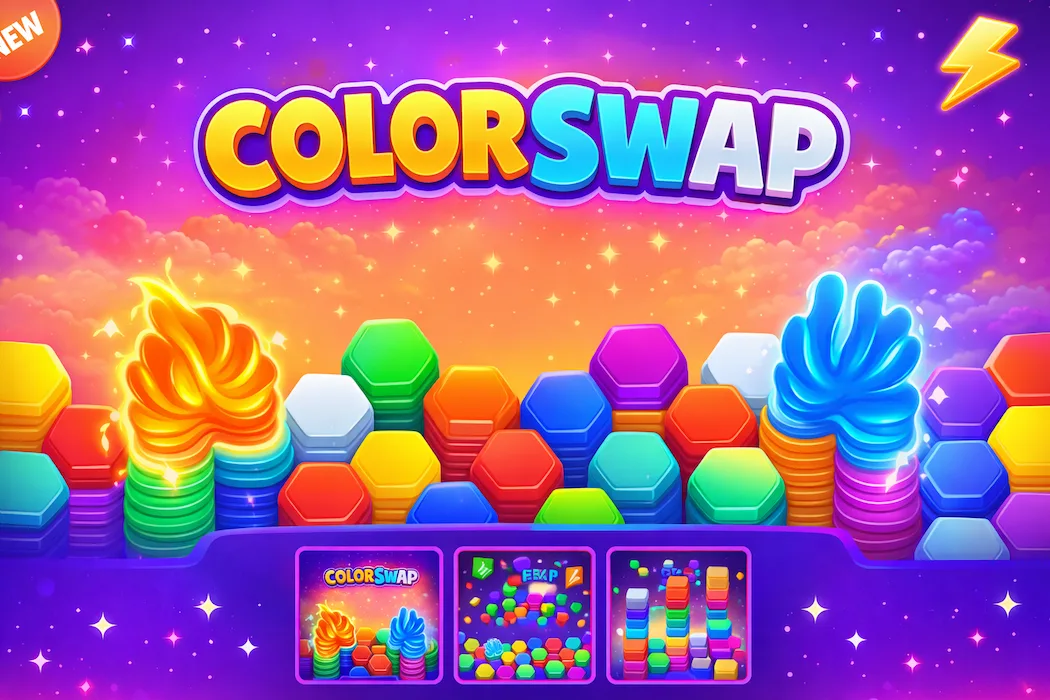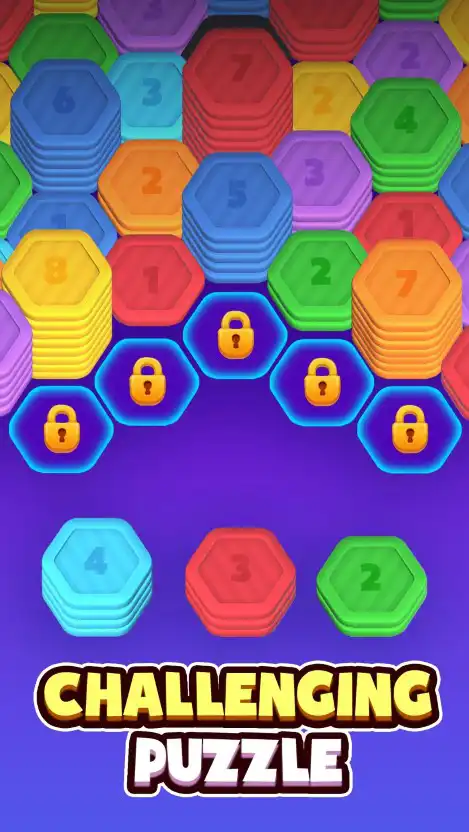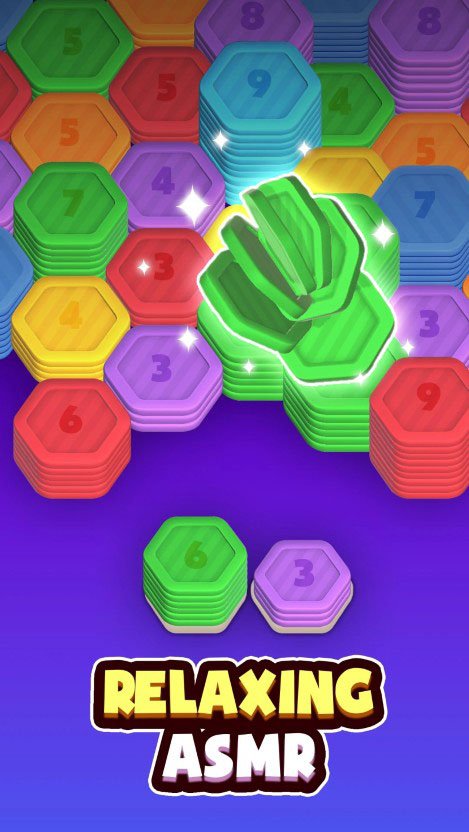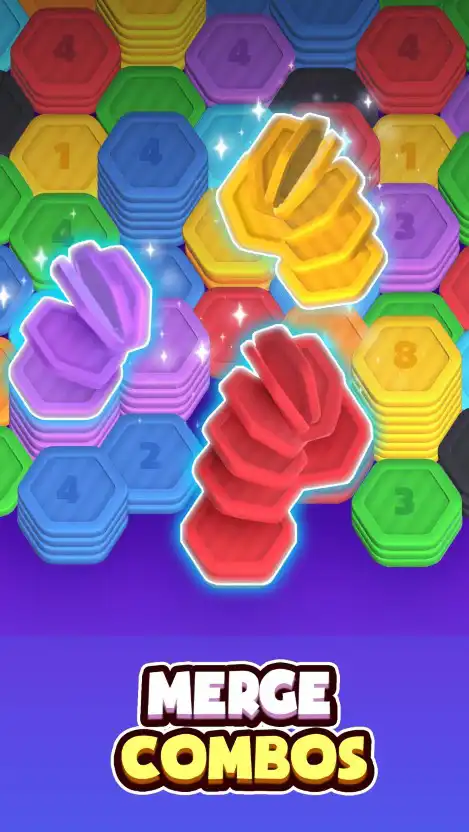

There is a reason color sort puzzle games dominate the top free charts on Google Play year after year. The mechanic is universally understood — sort the colors, clear the board, advance to the next level — yet the execution leaves enormous creative room for developers to stand out. Players from age eight to eighty instantly understand the goal. The challenge keeps them coming back. And the replay-driven session structure makes color sort games among the best-performing categories for AdMob rewarded video revenue in casual mobile gaming.
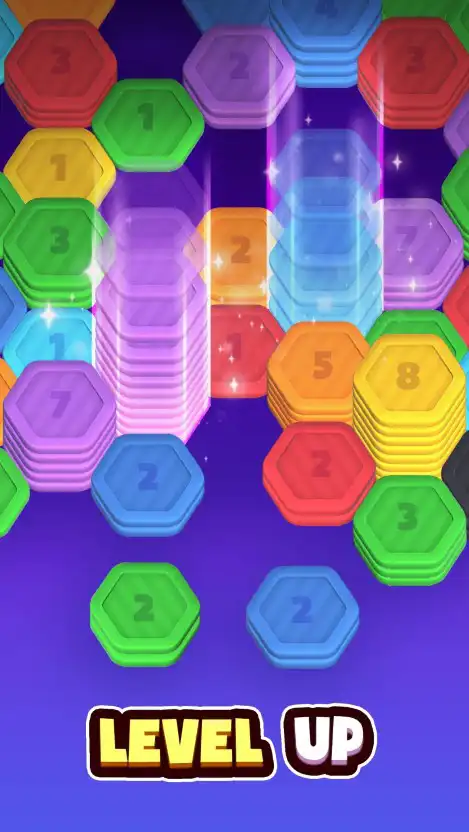
The Hexa Color Sort Puzzle Game Unity Source Code takes everything that makes the color sort genre commercially powerful and delivers it in a complete, ready-to-publish Unity project built specifically for Android and iOS. Every system is pre-built. The AdMob integration is live. The drag-and-drop mechanics are tuned and tested. The only work left for you is the creative customization that makes this game yours — your theme, your color palette, your branding, your store listing.
This is the starting point that lets you go from decision to published game in weeks rather than months. Here is everything you need to know about it.
Before diving into the detail, here is a quick reference for the key product information:
| Detail | Information |
|---|---|
| Release Date | January 25, 2026 |
| Last Updated | June 3, 2026 |
| Platform Support | Android & iOS |
| Android Versions | 9.0, 10.0, 11.0, 12.0, 15.0 |
| Package Contents | Full Unity Project, APK Demo, Documentation, PNG Assets |
| Regular License | $45 — 3 months support, one published app |
| Extended License | $99 — 6 months support, extended usage rights |
| Monetization | AdMob Banner, Interstitial, Rewarded Video |
| Difficulty to Customize | Beginner-friendly |
At its heart, Hexa Color Sort is a spatial reasoning puzzle built around hexagonal blocks and color grouping. Unlike traditional square-grid sort puzzles, the hexagonal format adds a layer of visual complexity that makes the mechanic feel fresh while remaining instantly intuitive.
Here is how a typical level unfolds:
Players open to a board scattered with hexagonal blocks displaying multiple different colors — all mixed together in a pattern that looks chaotic at first glance. The goal is to drag and reposition blocks until every hexagon of the same color sits grouped together. Simple in concept. Increasingly difficult in execution as the number of colors grows and the available movement space shrinks.
What makes this satisfying rather than frustrating is the drag-and-drop control system — precise, responsive, and visually clean. Every movement gives immediate feedback. Correctly placed blocks snap into position with satisfying micro-animations. Incorrect placements are instantly readable. The player always knows what they did wrong and can see how to correct it, which drives the retry behavior that generates both high session time and strong rewarded ad engagement.
As players advance through the level pack, the puzzle board expands, new color combinations are introduced, the available empty spaces become tighter, and multi-step move planning becomes necessary. This escalating challenge curve is not just good game design — it is retention engineering. Players who are never frustrated enough to quit but always challenged enough to keep trying are the players who generate the best long-term AdMob revenue.
The hexagonal block format is the creative differentiator that makes this game stand out in a crowded category. Most color sort games use test tubes, stacked bottles, or square tiles. Hexagonal blocks create a visually distinctive product that stands out in app store screenshots, store listings, and social media previews — all three of which directly influence your install conversion rate.
From a gameplay perspective, hexagonal adjacency creates more nuanced spatial relationships than a square grid. A block has six neighbors rather than four, which means puzzle solutions involve more simultaneous considerations and feel genuinely clever when players find them. That "clever" feeling is what drives organic five-star reviews — and five-star reviews drive organic installs.
The template ships with a complete multi-level progression structure, moving players through difficulty stages that are deliberately paced to maximize both engagement and monetization.
Early levels introduce the mechanics with generous board space, few colors, and clear solutions. New players experience success quickly, which triggers the dopamine reward loop that converts a first-time installer into a returning daily player.
Mid-game levels tighten the available moves, add color varieties, and begin requiring two to three steps of planning. This is where players develop genuine skill and where session length starts to extend — directly increasing ad impression volume per user.
Advanced levels demand multi-move sequential planning and careful block sequencing. These are the levels where rewarded hint ads earn the most — players who have invested time reaching this difficulty are highly motivated to spend a moment watching an ad rather than lose their progress and start the level over.
The escalation is smooth enough that players rarely feel the difficulty jump — they simply find themselves solving harder puzzles without realizing the game has grown more demanding around them.
Touch controls make or break a puzzle game on mobile. Imprecise tap registration, delayed drag response, or confusing selection feedback all trigger immediate negative reactions from players — and those reactions end up in your Play Store reviews.
The Hexa Color Sort template's drag-and-drop system is built around mobile-first precision. Touch detection is calibrated for finger input rather than mouse clicks, meaning the hit areas are generous enough for comfortable use without being so large that adjacent blocks interfere with each other.
Drag animations track finger movement in real time, giving players constant visual feedback about where a block is heading before they release it. Release detection is snappy — blocks either snap cleanly into a valid position or return smoothly to their origin if the placement is invalid. This clarity of feedback is what makes the controls feel professional rather than clunky.
The system has been tested across Android 9.0 through Android 15.0, including budget devices with less responsive touchscreens, and performs consistently across all supported hardware.
If there is one feature in this template that has a disproportionate impact on AdMob revenue, it is the hint system and how it connects to rewarded video ads.
Here is the monetization psychology: a player who has been working on a difficult level for three minutes and cannot find the next move is in a state of focused frustration. They are invested in completing this level. They are not ready to give up. But they need a nudge. Offering a hint — show me the next best move — in exchange for watching a 30-second rewarded video ad is one of the highest-acceptance placements in all of mobile gaming.
Players in this state watch rewarded ads voluntarily, watch them completely, and feel positive about the experience because the reward (the hint) genuinely helped them. That combination of voluntary viewing and complete watch time is exactly what drives the premium $8–$18 eCPMs that rewarded video achieves in tier-1 markets.
The hint system in this template is designed to trigger at the precise moment of peak player investment — difficult enough that the player genuinely needs help, engaged enough that they will take the ad offer.
The undo move feature allows players to step backward through their last several moves if they realize they have created an unsolvable board configuration. This might seem like a small quality-of-life feature, but its impact on retention is significant.
Without undo, a player who locks themselves into an unsolvable state has two options: restart the level (frustrating) or quit (lost user). With undo, they have a third option: step back and try a different approach. This keeps players engaged through the difficult moments that would otherwise trigger uninstalls.
Undo moves can also be integrated into the monetization system — players receive a limited number of free undos per level, with additional undos available via rewarded ad viewing. This creates a graceful escalation from free feature to ad-supported feature without ever feeling punitive.
The visual design of this template reflects current mobile UI trends: clean backgrounds, high-contrast color blocks, smooth panel transitions, and a layout that gives the puzzle board maximum screen real estate while keeping controls and information accessible.
The UI is built with Unity's Canvas system using proper anchor points and aspect ratio awareness, which means it adapts cleanly to every major mobile screen format — 16:9, 18:9, 19.5:9, 20:9, and tablet aspect ratios — without requiring manual adjustment for each device.
Fonts, color palettes, button styles, and panel layouts are all organized in clearly labeled prefabs and style sheets, making visual customization fast even for developers without professional UI design experience.
Every successful block placement, level completion, hint trigger, and menu interaction has a corresponding sound effect that reinforces the tactile feedback of the touch controls. Background music loops seamlessly and includes a player-accessible toggle for players who prefer to play in silence.
Audio design in a puzzle game is not cosmetic — it is functional. The satisfying click of a correct block placement is part of what makes the action feel rewarding. The subtle escalation in the completion music when a level is finished is part of what makes progress feel meaningful. These micro-audio moments compound into an overall sense of polish that determines whether players describe a game as "addictive" or "okay."
The monetization architecture in this template is complete and production-ready. All three primary AdMob formats are integrated and positioned at optimal placement points:
Banner Ads run passively on the main menu, level select screen, and result screens. They generate baseline revenue from all players during non-gameplay moments without disrupting the puzzle experience.
Interstitial Ads trigger at level completion intervals — typically every three to four completed levels — and during transitions from the result screen back to the level select. These placement points are natural pause moments where players are not mid-puzzle, ensuring the ad does not disrupt engagement.
Rewarded Video Ads power the hint system, the undo extension feature, and the retry-after-fail mechanic. These are the highest-value placements and the primary revenue driver for puzzle games with strong retention.
Replacing the placeholder Ad Unit IDs with your own from the AdMob console takes approximately five minutes. No restructuring of the ad architecture is required.
Developers Launching Their First Mobile Game who want a complete, working puzzle game to learn from and publish — studying real professional code teaches more than any tutorial series.
Indie Publishers Building a Puzzle Portfolio who want multiple color-mechanic titles earning AdMob revenue simultaneously. A hexa sort game, a block sort game, and a color match game targeting the same audience creates a natural cross-promotion ecosystem.
Freelancers With Client Deadlines who need to deliver a polished, fully functional puzzle game without spending months building core systems.
Entrepreneurs who understand that casual puzzle games have exceptional LTV profiles and want a product with strong Day-30 retention in their passive income portfolio.
Every game in your portfolio earns on its own — but it also cross-promotes every other game you have published. These six templates from Unity Source Code represent six different audience entry points, each with proven commercial performance in their category:
Genre: Color Sort / Stack Puzzle
If you love the sorting mechanic of Hexa Color Sort and want to extend your puzzle portfolio with a complementary format, Blocks Sort Puzzle is the natural next step. Players sort colorful stacked blocks into matching columns across 200+ levels with escalating difficulty. The vertical stacking mechanic feels different enough from hexagonal sorting to attract distinct play sessions rather than cannibalizing your existing audience.
This template includes the complete level pack, a smooth block animation system, AdMob interstitial and rewarded integration, and a color progression system that naturally guides players toward hint usage — a key driver of rewarded ad revenue in sort puzzle games.
→ Explore Blocks Sort Puzzle on Unity Source Code
Genre: Screw & Bolt Puzzle / Brain Teaser
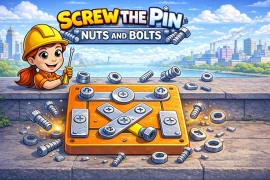
Screw puzzle games have been one of the fastest-growing puzzle subcategories on mobile over the past eighteen months. The mechanic — unscrew bolts in the right sequence to disassemble wooden structures — hits a unique combination of satisfying physical simulation and strategic planning that standard color sort games cannot replicate.
This complete Unity puzzle template includes the screw physics system, a full level editor, wood material animations, AdMob integration, and a GUI kit at no additional cost. The brain teaser format skews toward a slightly older audience that has strong IAP conversion rates alongside high rewarded ad engagement — a particularly valuable demographic combination for revenue.
→ Explore Screw Wood Unity Puzzle Template on Unity Source Code
Genre: Block Blast / Infinite Puzzle
Blast Puzzle brings the block-clearing mechanic to Unity with an infinite level generation system and a built-in level editor — two features that separate it from standard level-pack puzzle games. Players place blocks on a grid, clear rows and columns, and chase high scores in an endlessly replayable format that never runs out of content.
The infinite format is one of the strongest retention mechanics available in casual gaming because players never reach a "finished" state. This means longer average session times, more ad impressions per user, and stronger long-term revenue per install compared to fixed level-pack games. The built-in editor also lets you create custom promotional levels for social media without additional development.
→ Explore Blast Puzzle on Unity Source Code
Genre: Merge Puzzle / Casual Simulation
Merge games occupy a unique space between idle games and puzzle games — they share the satisfying progression system of idle tycoon games but deliver it through an active puzzle mechanic that requires player attention. Zoo Fruity Merge tasks players with combining matching animals and fruits on a grid to evolve them into higher-tier creatures, with each merge feeling like a small satisfying reward.
The merge format has driven exceptional Day-30 retention rates because the progression system always shows players what they are working toward. There is always a new animal one merge away, which creates the same "just one more" pull that makes idle games so powerful. This template includes a full merge economy system, zoo-themed character designs with 5000+ items, AdMob integration, and easy reskin paths.
→ Explore Zoo Fruity Merge Game on Unity Source Code
Genre: Time Management / Casual Cooking Simulation
Cooking simulation games are one of the most revenue-efficient categories in casual mobile gaming — strong IAP conversion, high demographic value, and habitual daily return rates driven by recipe progression and restaurant unlocks. Cooking Live brings professional time-management cooking gameplay to Unity with a complete restaurant system, customer queue mechanics, food upgrade trees, and multiple kitchen environments.
The time-pressure mechanic — serve customers before they leave, cook each dish correctly, manage multiple orders simultaneously — creates urgency-driven sessions that are both engaging and emotionally satisfying. Completion rewards feel proportional to the effort, which is exactly the emotional dynamic that drives boosters and extra-time IAP purchases. This is a premium-priced template that reflects the commercial value of what it delivers.
→ Explore Cooking Live Unity Game Template on Unity Source Code
Genre: Parking Puzzle / 3D Casual
Car Jam 3D brings the traffic jam unblocking mechanic — one of the most-played puzzle formats of the past two years — to Unity with full 3D visuals, satisfying vehicle physics, and a complete level pack. Players must clear a jam by moving cars in the right sequence to free the target vehicle, with each level adding more vehicles, tighter spaces, and more complex traffic patterns.
The 3D visual presentation makes Car Jam stand out dramatically in app store screenshots compared to 2D puzzle games, which typically translates to a higher install conversion rate from store page visits. The gameplay is instantly understandable from a three-second preview video, which makes it one of the best-performing categories for paid user acquisition if you choose to run ads. The template includes complete level data, vehicle animations, AdMob integration, and full documentation.
→ Explore Car Jam 3D Complete Game Template on Unity Source Code
Getting the game built is step one. Getting it monetized correctly and understanding the market context is what determines whether your game earns $12 a month or $1,200 a month from the same install base. These two articles from the Unity Source Code blog are required reading before you launch any mobile Unity game:
This is the most practical, developer-focused AdMob monetization guide available for Unity developers right now. It does not just list the ad formats — it explains the psychology behind why certain placements earn dramatically more than others, shows you exactly how to structure your ad timing to maximize eCPM without destroying Day-7 retention, and breaks down the specific monetization patterns that top-earning indie games use to generate four-figure monthly revenue from modest install bases.
If you are integrating AdMob into the Hexa Color Sort template or any other Unity game, reading this guide before you configure your Ad Unit IDs will directly improve your revenue from Day 1. The section on rewarded ad placement timing alone is worth the fifteen minutes it takes to read the full article.
→ Read: How to Make Money With Unity Games Using AdMob
Racing games represent one of the most consistently high-performing categories in mobile gaming — strong download volumes, above-average eCPMs, and broad demographic appeal that stretches from casual players to hardcore racing enthusiasts. This guide covers the best Unity racing game source codes available in 2026, explains what makes each one commercially strong, and provides context on how the racing category fits into a mobile game portfolio alongside puzzle and simulation titles.
If you are thinking about diversifying your game portfolio beyond puzzle games — or if you want to understand how different genres perform against each other in terms of AdMob revenue and player retention — this guide gives you the data-driven perspective you need to make that decision confidently.
→ Read: Top Racing Game Source Codes in Unity — 2026 Guide
Is the Hexa Color Sort template suitable for Unity beginners? Yes. The project is organized in a beginner-friendly structure with clearly named scripts, folders, and components. Basic Unity familiarity (understanding the inspector, swapping assets, and modifying simple values) is all that is required to customize and publish your own version.
How many levels does the template include? The template ships with a complete multi-level pack covering beginner, intermediate, and advanced difficulty stages. Additional levels can be added using the built-in level configuration system without modifying any core scripts.
Does the template support both banner and rewarded video ads? Yes. All three AdMob formats — banner, interstitial, and rewarded video — are pre-integrated and active. You only need to replace the placeholder Ad Unit IDs with your own from the AdMob console.
Can I change the hexagonal block colors and visual theme completely? Absolutely. All color values, block textures, and background assets are organized in clearly labeled folders and prefabs. You can change every visual element of the game — including color palette, board background, UI theme, and block shapes — without modifying any gameplay scripts.
What is included in the documentation? The full documentation covers the project folder structure, how to configure levels, how to replace AdMob Ad Unit IDs, how to build for Android and iOS, and a step-by-step guide for submitting to Google Play and the Apple App Store.
What support is available after purchase? The Regular License includes 3 months of technical support from the Unity Source Code team. The Extended License includes 6 months of priority support. The team is reachable via the contact options on the site.
Color sort puzzle games are not a trend — they are a proven, permanent category in mobile gaming with a global audience that shows no sign of shrinking. The hexagonal format gives you a creative differentiator that makes your version immediately distinct from the thousands of test-tube and bottle-sort clones on the market.
The Hexa Color Sort Puzzle Game Unity Source Code gives you a production-ready foundation that handles every technical challenge — the drag system, the level progression, the AdMob integration, the mobile optimization — so you can focus on making the game look and feel uniquely yours before publishing it to an audience that is actively looking for their next favorite puzzle game.
Explore this template and the full catalogue of premium Unity game source codes across every major genre at Unity Source Code — built by professional developers, ready to customize, and designed for developers who want to launch faster and earn smarter.
You need to login to comment!
Total Sold:
0
Total Comments: