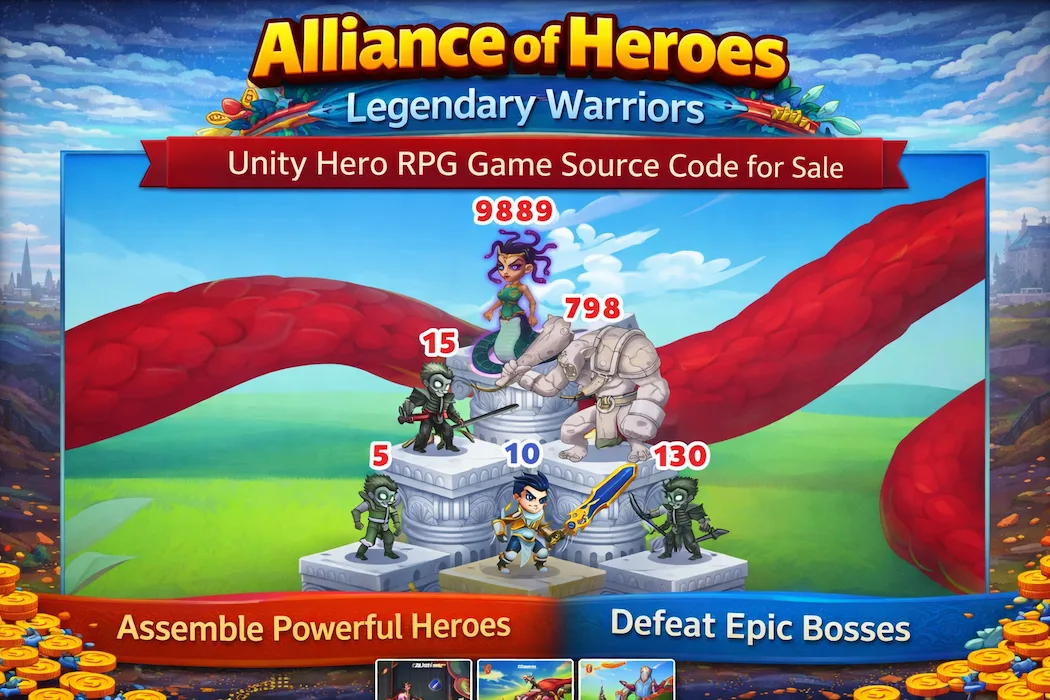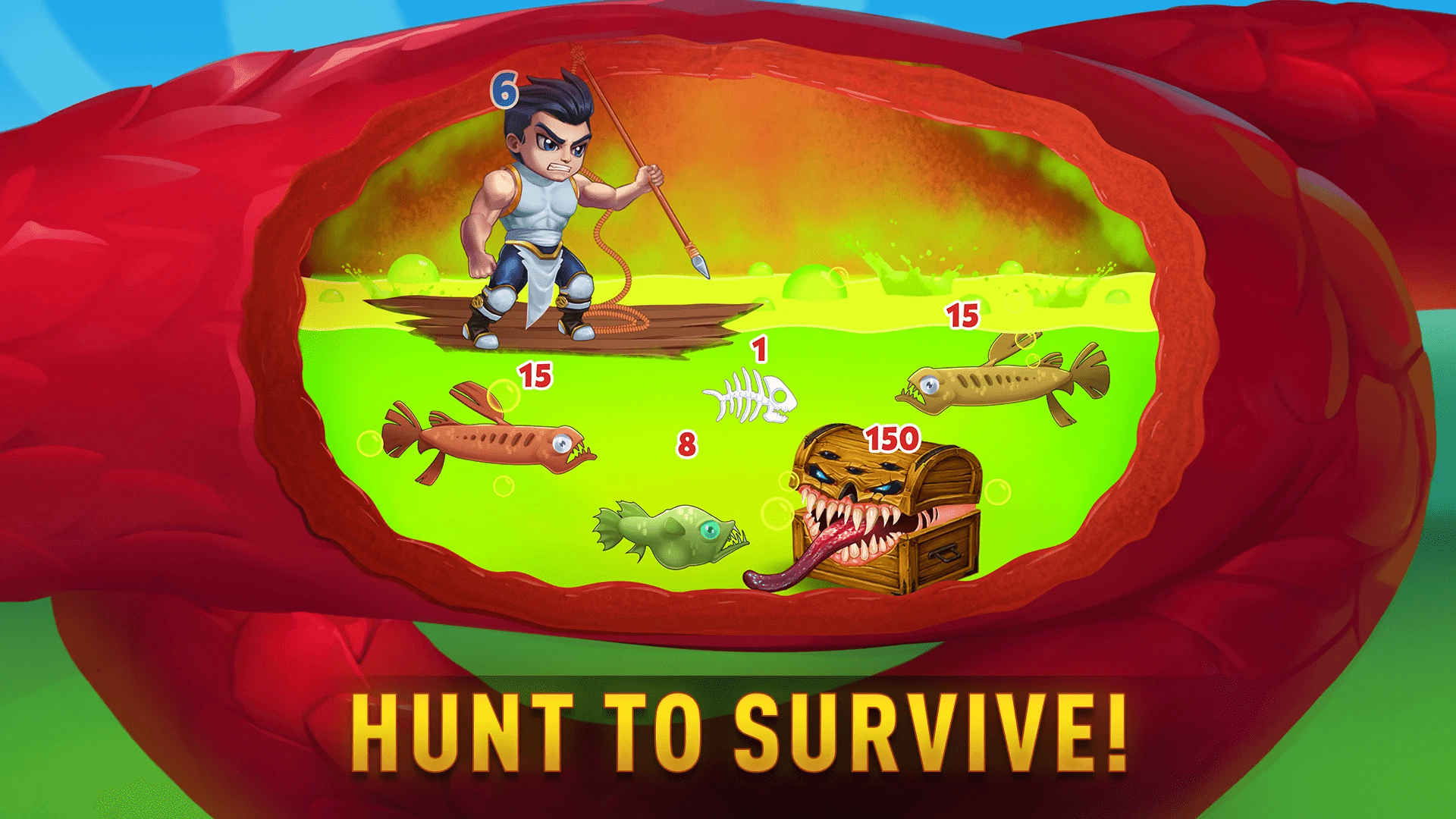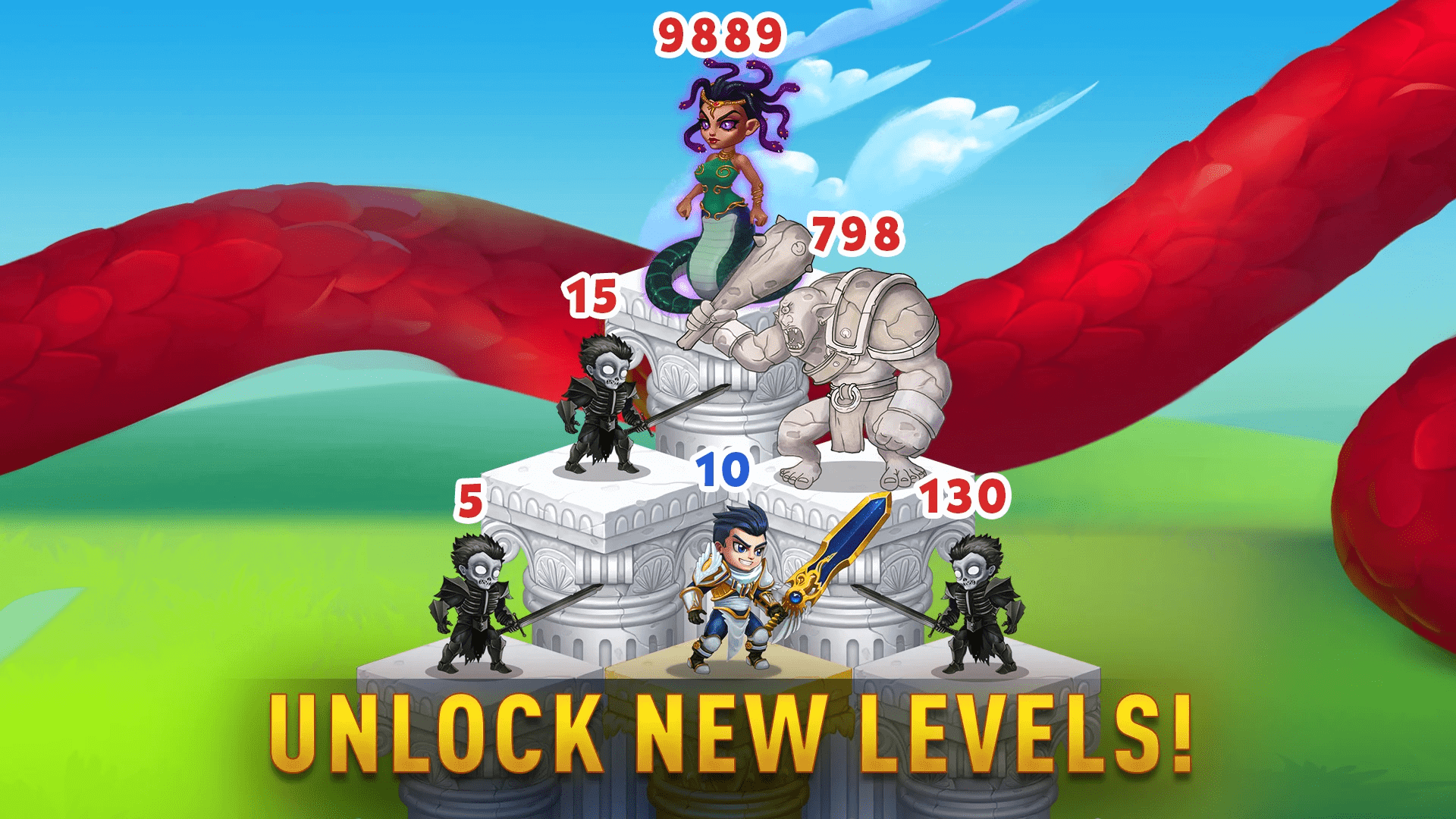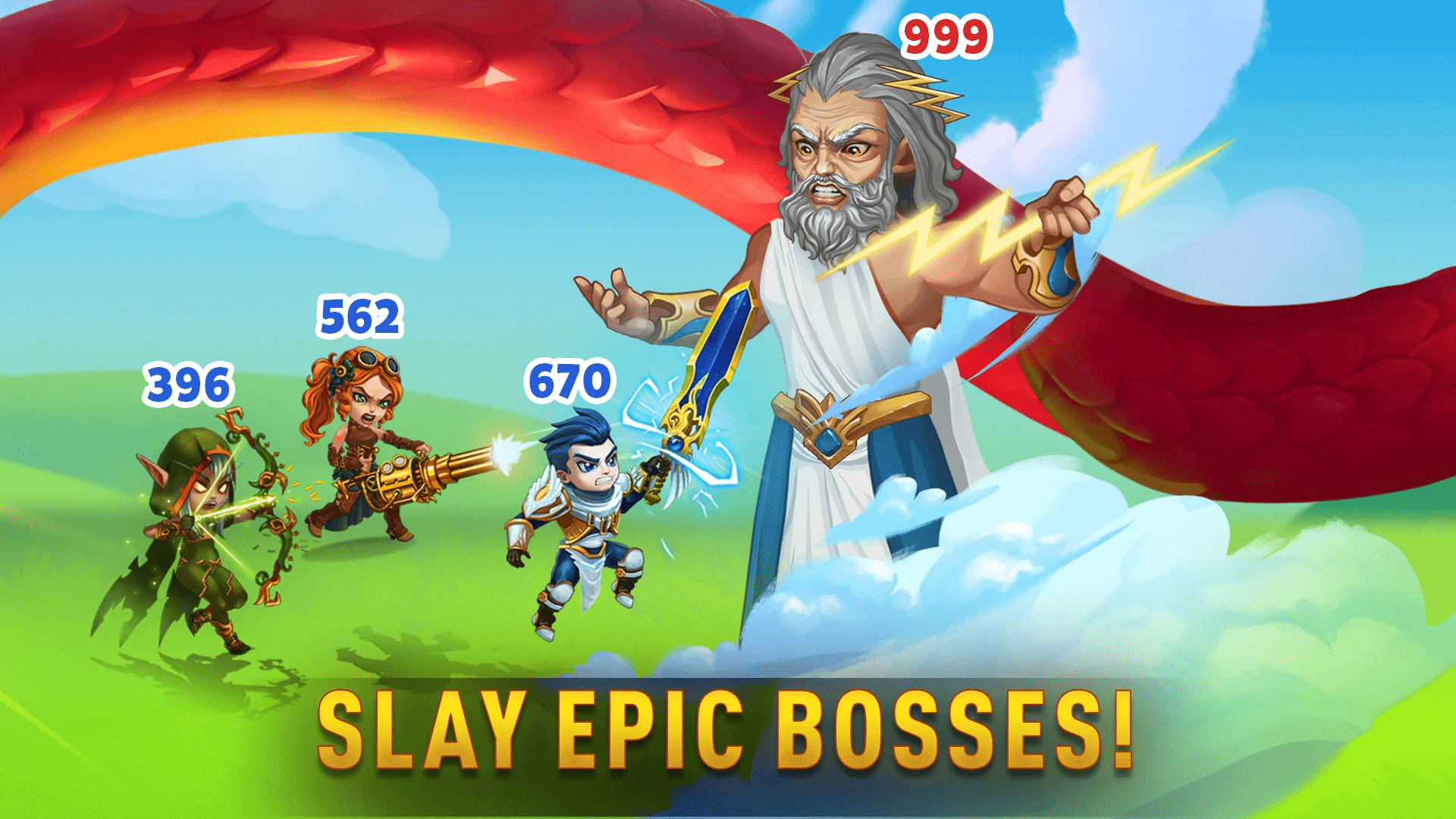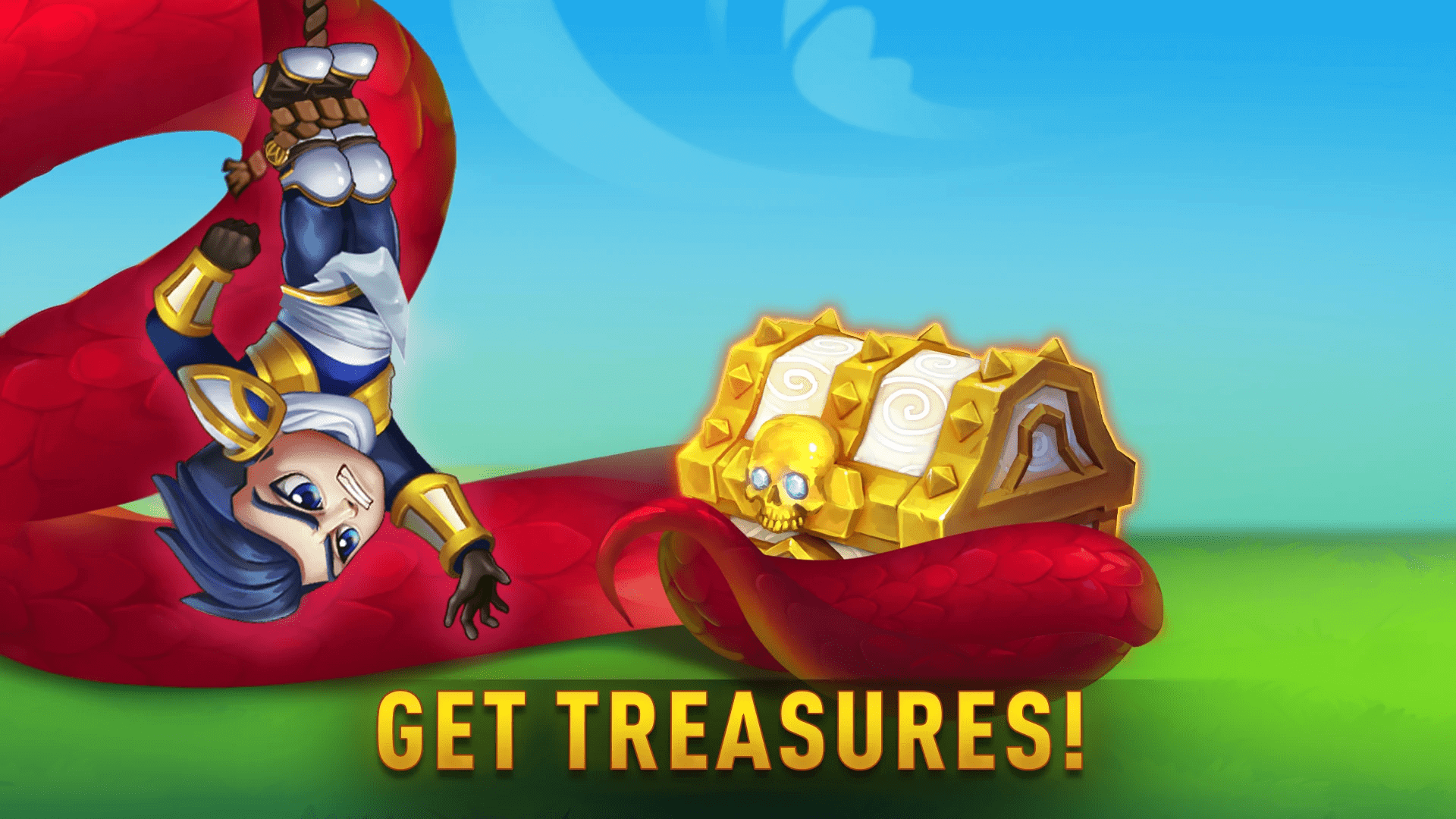

Most Unity game templates are built for short sessions and quick replay loops — tap, react, repeat. Alliance of Heroes – Legendary Warriors is something different. It's a complete Unity RPG source code built for developers who want to create a deeper, longer-lasting mobile experience: one where players collect heroes, build teams, plan strategies, and return day after day to push their roster further.
This is the same category of game that has powered some of the highest-grossing titles on the App Store and Google Play — collection-based RPGs with hero synergy, progression systems, and strategic team battles. If you've ever wondered how games like that are structured under the hood, this Unity hero collection RPG template gives you the answer in working, production-ready code.
Whether you're a solo indie developer aiming to publish your first strategy RPG, or a studio looking for a scalable base to build a long-term live-service title, this template gives you the architecture, systems, and gameplay loop already in place. And if you're still deciding whether template-based development is the right approach for your next project, our guide on how budget Unity templates help indie developers launch mobile games makes the case clearly — using proven, well-structured source code isn't a shortcut, it's how professional studios actually work.
Before breaking down the feature set, it's worth understanding why this genre continues to dominate mobile revenue charts year after year. Hero-collection RPGs combine three psychological hooks that are notoriously effective in mobile game design: collection, progression, and strategic mastery.
Players don't just play a level and move on — they build an emotional investment in their roster. Every new hero unlocked, every stat upgraded, every successful team composition feels like personal progress, not just a score increment. That's a fundamentally different retention mechanism than the quick-burst satisfaction you get from arcade or hyper-casual titles like the Ballz Unity game template or fast-reflex shooters — and it's exactly why RPGs tend to support longer session times, deeper monetization funnels, and stronger long-term player retention.
That said, RPGs and arcade titles aren't competitors — they're complements. Many successful studios run an arcade or puzzle title to capture broad, casual installs, while running an RPG like this one to capture and monetize their most engaged, high-value players. If you're building a varied portfolio, pairing this RPG with something like the Blocky Shooter Unity 3D game source code for fast action, or a puzzle title like Block Puzzle Game Unity source code for casual reach, gives you coverage across very different player segments.
At the heart of this template is hero collection — the system that gives players a long-term reason to keep coming back. The mechanics are designed around variety and synergy rather than a single "best" hero, encouraging genuine strategic thinking instead of simple grinding.
What the collection system delivers:
This isn't a cosmetic-only collection system — every hero meaningfully changes how a battle plays out, which is what keeps the "collect and build" loop genuinely engaging rather than repetitive.
Combat in Alliance of Heroes is built around coordination, not twitch reactions. Rather than a single character executing simple attacks, players deploy a full team into battle and manage how each hero's abilities interact with the enemy formation in front of them.
Key combat features include:
This kind of strategic depth is what separates RPGs from simpler genres, and it's precisely the design philosophy that keeps players engaged for dozens, even hundreds, of hours rather than a handful of sessions.
Progression is the engine that keeps collection-based RPGs profitable and engaging long after the initial download. In this template, every hero has room to grow:
This progression structure naturally supports both ad-based monetization (rewarded ads for upgrade boosts) and in-app purchase models (premium currency for faster progression) — giving developers flexibility in how they choose to monetize their published version.
A strong RPG needs a structured path forward, and this template delivers that through a full campaign and mission framework:
This structure is what transforms a single combat system into a full game — one with hours of content rather than a single repeatable loop.
Despite its strategic depth, this template is built with mobile usability as a priority. Complex RPG systems can easily become overwhelming on a small screen if the UI isn't carefully designed, and this project addresses that directly:
This balance — strategic depth without UI complexity — is one of the harder design problems in mobile RPG development, and it's already solved in this codebase.
Presentation matters enormously in the RPG genre, where players form emotional attachments to characters. This template delivers:
From a technical standpoint, this is where the template really proves its value for serious development teams. The Unity project is structured specifically to support long-term expansion:
This architecture matters because RPGs, unlike many casual genres, are rarely "finished" at launch — they're live products that need continuous content updates to retain players. A poorly structured codebase makes that kind of ongoing development painfully slow. This one doesn't.
Every successful RPG runs on a tight, satisfying core loop, and this template's loop is built around four reinforcing stages:
This loop is what drives daily active engagement — players always have a clear next action, and every action feeds back into making their next battle more achievable.
Monetization is already considered at the architectural level, giving developers multiple paths to revenue without needing to bolt on systems after the fact:
If you haven't implemented AdMob in a Unity project before, it's worth reviewing how other templates in our catalog handle the same integration — the process is consistent across projects and well documented in our broader guide to getting more value from budget Unity templates.
Because the codebase is built modularly, this template scales far beyond its base feature set. Developers planning a long-term live-service title can extend it with:
None of these require rebuilding the core systems — they layer naturally on top of the existing hero, battle, and progression architecture.
This project serves a wide spectrum of developers and teams:
Most successful mobile publishers don't rely on a single genre — they build a varied catalog to capture different player types and reduce platform risk. If you're using Alliance of Heroes as your flagship strategy title, consider rounding out your release lineup with titles built for very different play sessions:
Browse the complete Unity game source code catalog to see the full range of genres available for building out a diversified release pipeline.
Alliance of Heroes – Legendary Warriors isn't a quick reskin project — it's a genuine Unity RPG source code framework built for developers who want to create something with real depth, real progression, and real long-term player engagement. With its team-based battle system, scalable hero collection mechanics, and developer-friendly architecture, it gives you everything needed to build a strategy-driven RPG without starting core systems from zero.
If your goal is to develop a mobile RPG with genuine strategic depth and hero progression — rather than another short-session casual title — this template is one of the strongest starting points available in the catalog.
Explore the Unity Source Code for the full range of available templates, or read our breakdown on how budget-friendly Unity templates help indie developers move faster if you're planning to combine this RPG with other titles in your release lineup.
Need technical assistance? Reach out to the Unity Source Code support team for help with setup, customization, or expansion planning.
You need to login to comment!
Total Sold:
0
Total Comments: