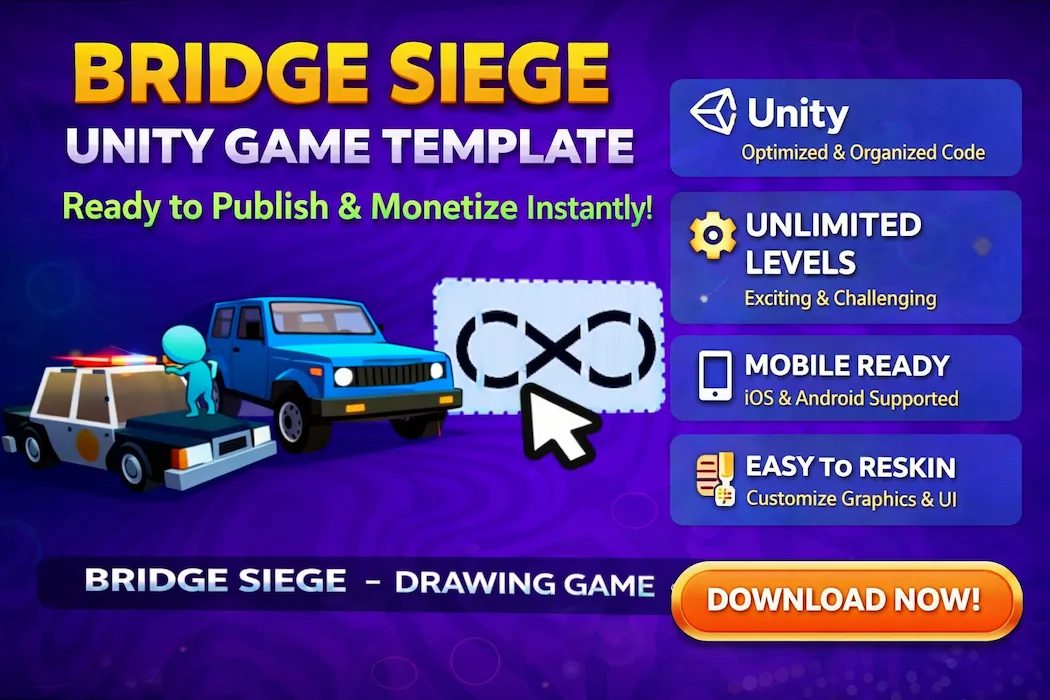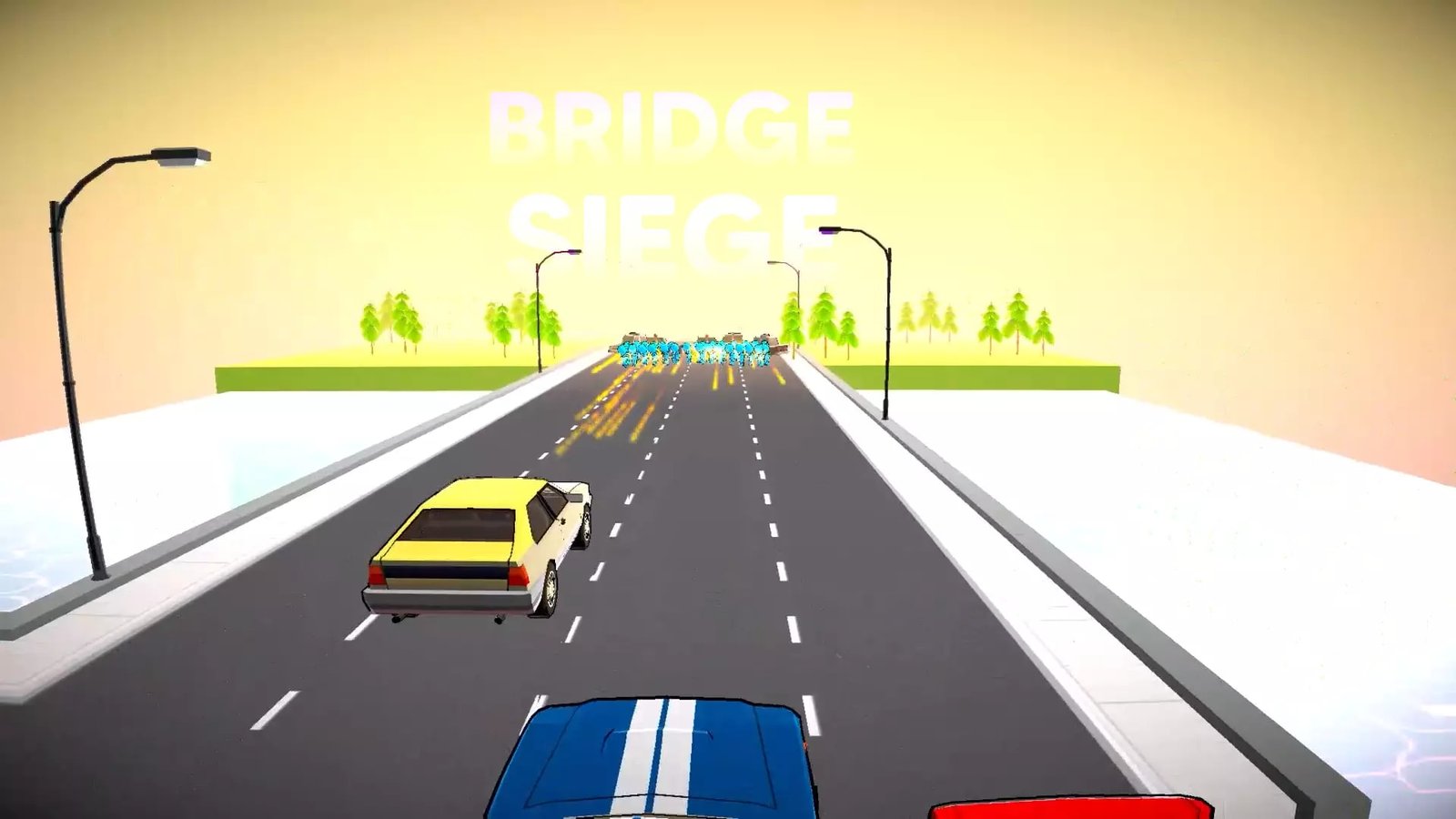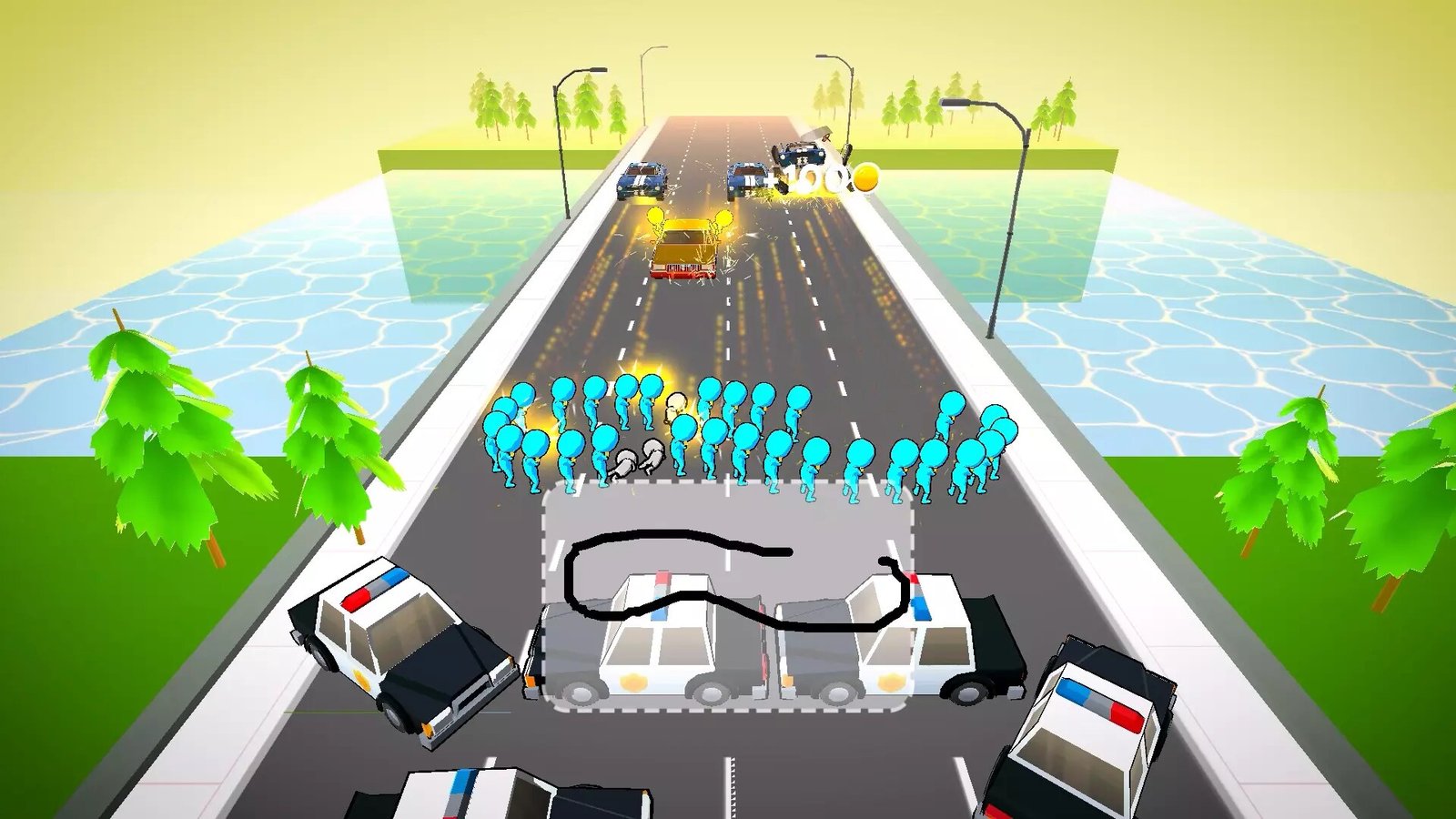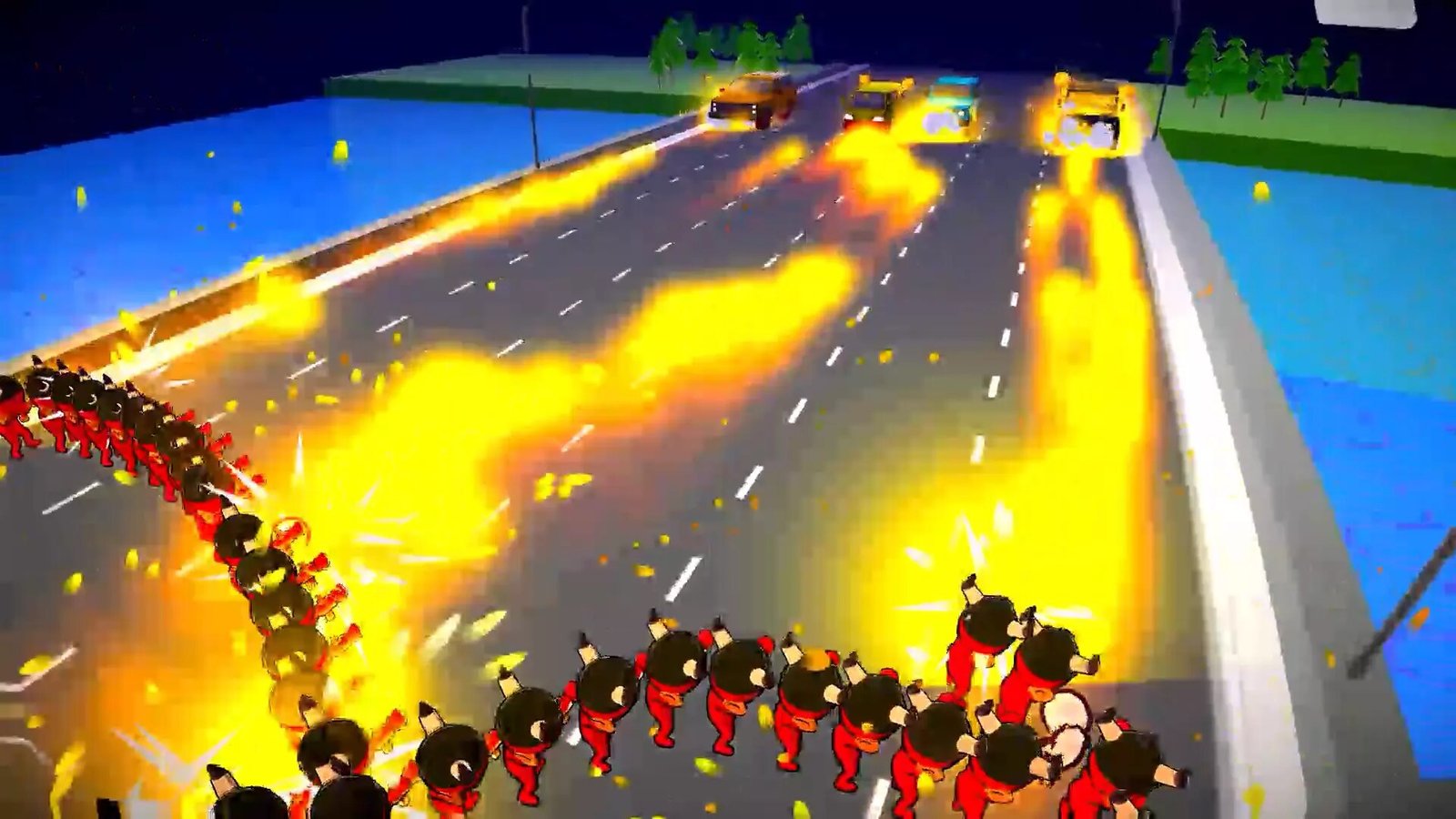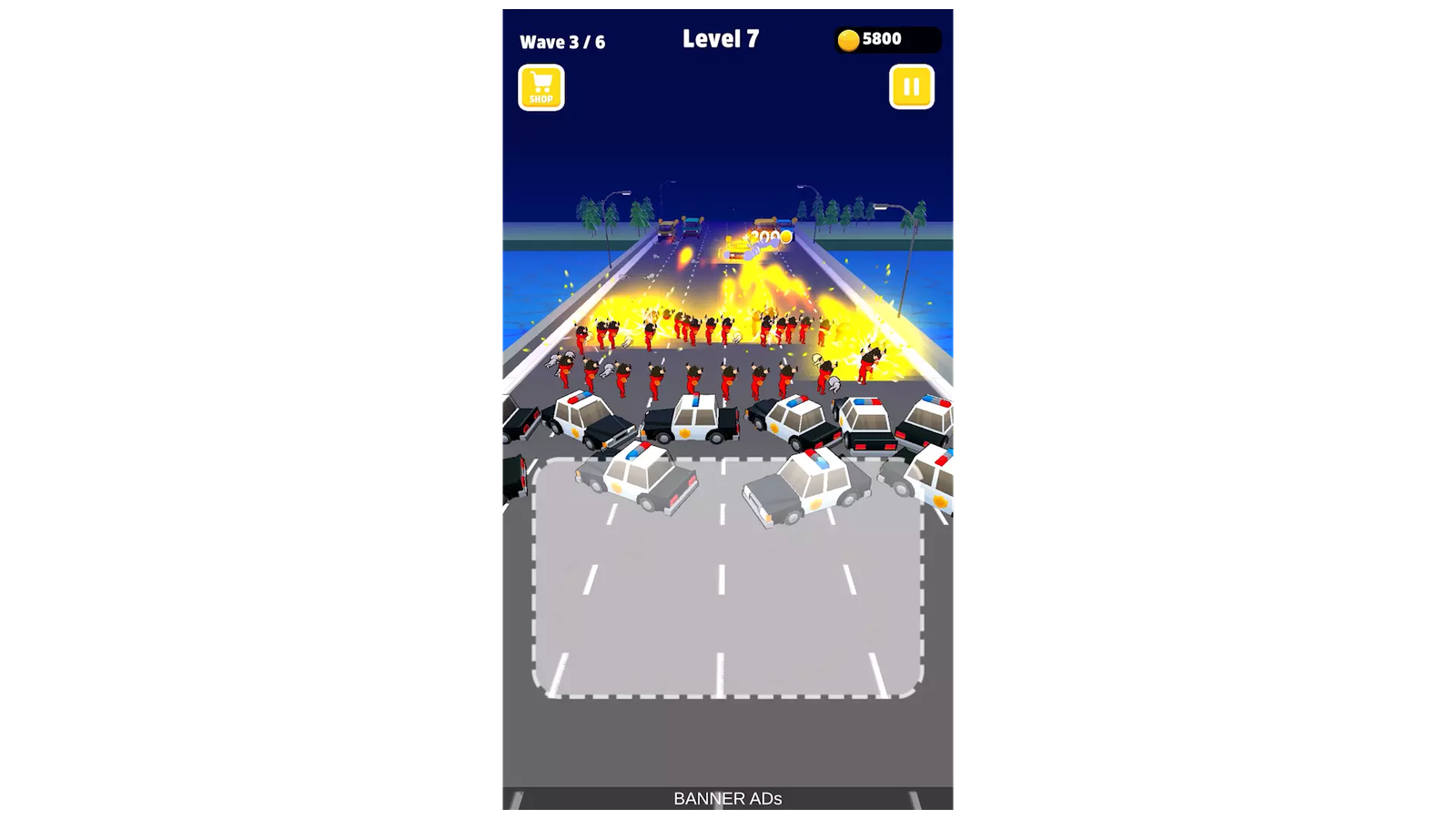
Picture a puzzle game where every level is a small tactical decision tree: which path do you open, which do you seal off, and how long can you wait before that window closes on you? That's the entire premise behind Bridge Siege, a ready-to-publish Unity source code project designed around bridge control, timing, and defense.
Rather than handing you a generic arcade shell, this template is built around a genuinely tactical core loop. Players don't just react — they plan. They decide when to open a crossing, when to hold it shut, and when a defensive move is worth the risk. That single mechanic, repeated across escalating levels, is what gives the game its replay value.
For developers, that means you're not starting from a blank canvas or a half-broken prototype. You're picking up a finished, playable strategy-puzzle hybrid and making it your own.
Most casual mobile games boil down to one central skill the player has to master. Here, it's bridge management. A few things define how that plays out:
It's a deceptively simple system on the surface, but it rewards players who think a step ahead — which is exactly the kind of "easy to learn, hard to master" loop that keeps casual audiences coming back.
A common complaint about template-based mobile games is that they get repetitive fast. Bridge Siege avoids that trap by ramping up pressure gradually instead of just recoloring the same fifteen seconds of gameplay on a loop:
That steady difficulty curve is a big part of why this mechanic holds attention longer than a typical one-note puzzle template.
A beautiful game that lags is a game that gets uninstalled. This template was built with that reality in mind:
If you've read up on why performance work matters for reskinned games in general, you already know this is the part most developers underestimate — and the part that determines whether players stick around past day one.
A game template is only half-finished if monetization is an afterthought. Bridge Siege was designed with revenue generation baked into the structure from day one:
This isn't a template where you're bolting ads on as an afterthought — the monetization structure was part of the original design.
Templates only earn their price tag if you can actually reshape them. This one is built for exactly that:
If you're still weighing whether starting from a template beats building from scratch, it's worth reading through why Unity source code is the fastest way to build and launch games — it lays out the time and cost math in more detail than a product page really can.
A lot of buyers focus entirely on the gameplay preview and forget to ask about the code quality behind it. That's a mistake, because messy code is what turns a quick reskin into a multi-week debugging slog. Here, the C# scripts are structured to be:
Clean architecture like this is what actually saves you development hours — not just the fact that the mechanics were pre-built.
Nothing about this template locks you into a fixed, finished product. Once you've got the base version running, there's plenty of room to expand:
Regular content drops like these don't just keep existing players engaged — they also tend to help your listing's visibility in app store search, since active updates are one of the signals stores reward.
If Bridge Siege isn't quite the mechanic you're after, or you're building out a broader portfolio of titles, a few other templates from the same catalog are worth checking:
For a broader view, browse the entire Unity games collection, or check what's currently trending on the bestseller Unity game source codes page.
Not every source code project fits every developer's goals, so it's worth being specific about who gets the most value out of this one.
Solo developers testing their first mobile release will appreciate that the hardest engineering work — core mechanics, control feel, difficulty pacing — is already done. That leaves your limited time free for the parts that differentiate your app: branding, art direction, and store listing optimization.
Small studios building out a portfolio can use this as a fast-turnaround release to keep a publishing cadence going between larger original projects. A well-optimized template like this can go from acquisition to store submission in a matter of days rather than months.
Developers specifically targeting the strategy-puzzle hybrid niche will find the bridge-control mechanic is distinct enough to stand apart from the flood of match-three and merge clones currently saturating app store search results, while still being simple enough to explain in a five-second store preview video.
Reskinning specialists who regularly acquire, rebrand, and republish templates will benefit from the clean script structure, since it directly cuts down the hours spent reverse-engineering someone else's spaghetti code before you can even start on the visual layer.
Does the difficulty curve hold up past the first few levels, or does it plateau? This is a fair question to ask about any puzzle template, and it's worth noting that the escalation here isn't just "enemies move faster." Layout complexity and timing windows both tighten in tandem, which keeps the challenge feeling fresh rather than just twitchier.
Will this run acceptably on older or budget Android devices, not just the reviewer's test phone? Performance work that only targets flagship hardware ends up excluding a meaningful share of the global Android install base. The lightweight asset structure and efficient code here were built with that broader device spread in mind, not just top-tier hardware.
How much engineering work is required before this is genuinely publishable, versus just a tech demo? Some templates on the market are closer to proof-of-concept builds than shippable products. This one ships as a complete, playable game — meaning your remaining work is customization and store preparation, not finishing unbuilt systems.
Is the monetization setup going to require a mediation layer, or does AdMob alone cover it? For most solo developers and small teams, AdMob alone is a perfectly reasonable starting point, and that's exactly what this template is pre-configured to support without additional SDK wrangling on day one.
For developers who like a concrete plan rather than an abstract pitch, here's roughly what a realistic timeline looks like using this template as your starting point:
That's a genuinely achievable timeline for a solo developer working part-time, and it's a fraction of what building an equivalent game from a blank Unity project would typically take.
If you're a developer who wants a strategy-action hybrid that's already fun to play, already optimized for mobile hardware, already wired for monetization, and still flexible enough to make your own — Bridge Siege checks all four boxes at once. You're not buying a rough prototype that needs months of additional engineering. You're buying a finished game that's ready for your branding, your art direction, and your Google Play or App Store listing.
For developers specifically searching for a Unity strategy game source code that balances ease of customization with genuine mobile-first optimization, this template is a solid, low-risk starting point.
You need to login to comment!
Total Sold:
0
Total Comments: