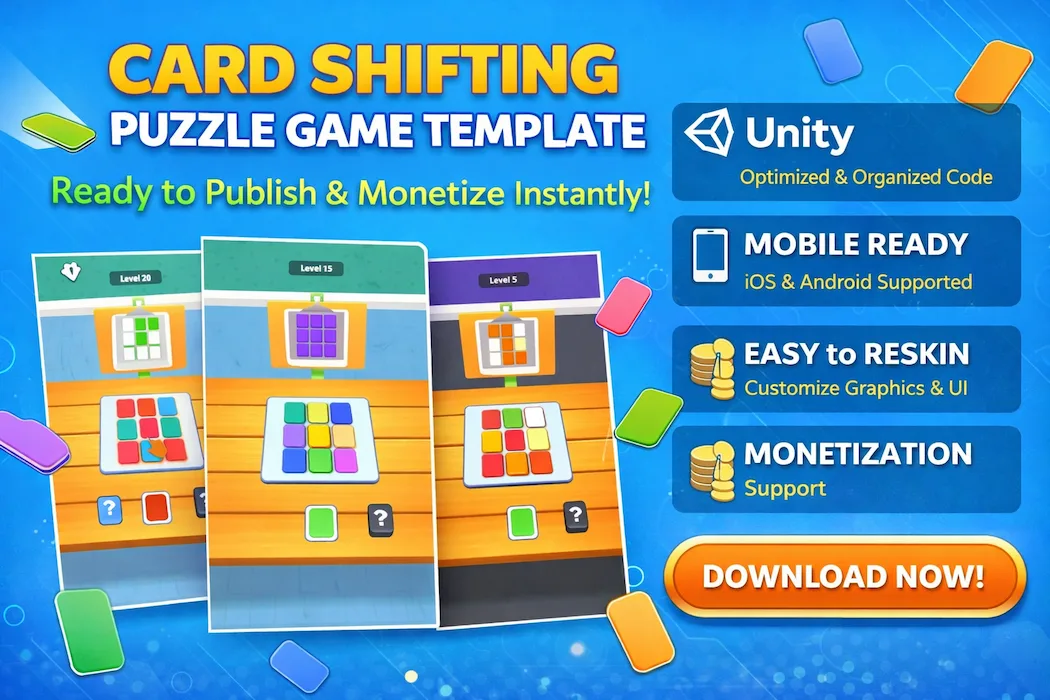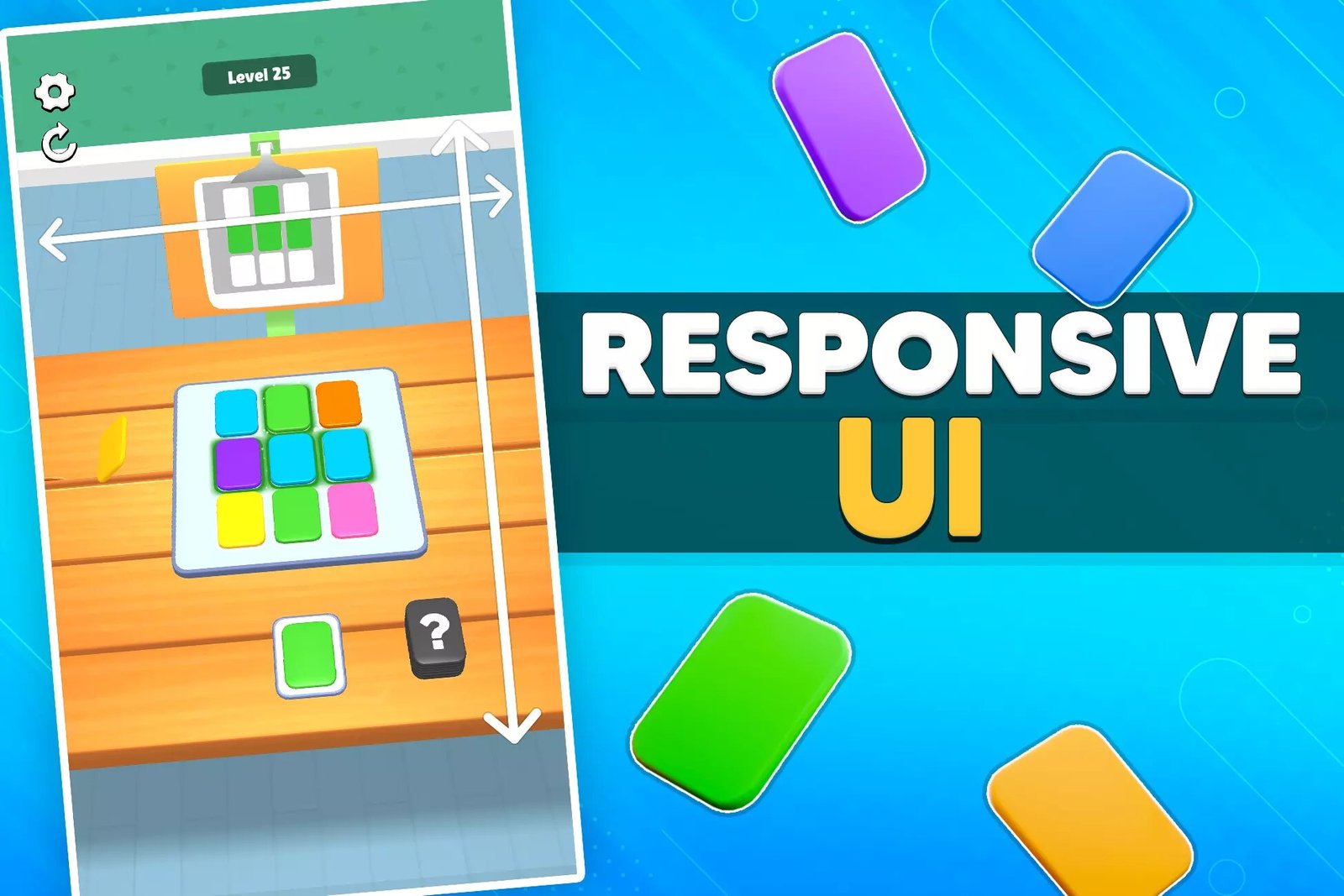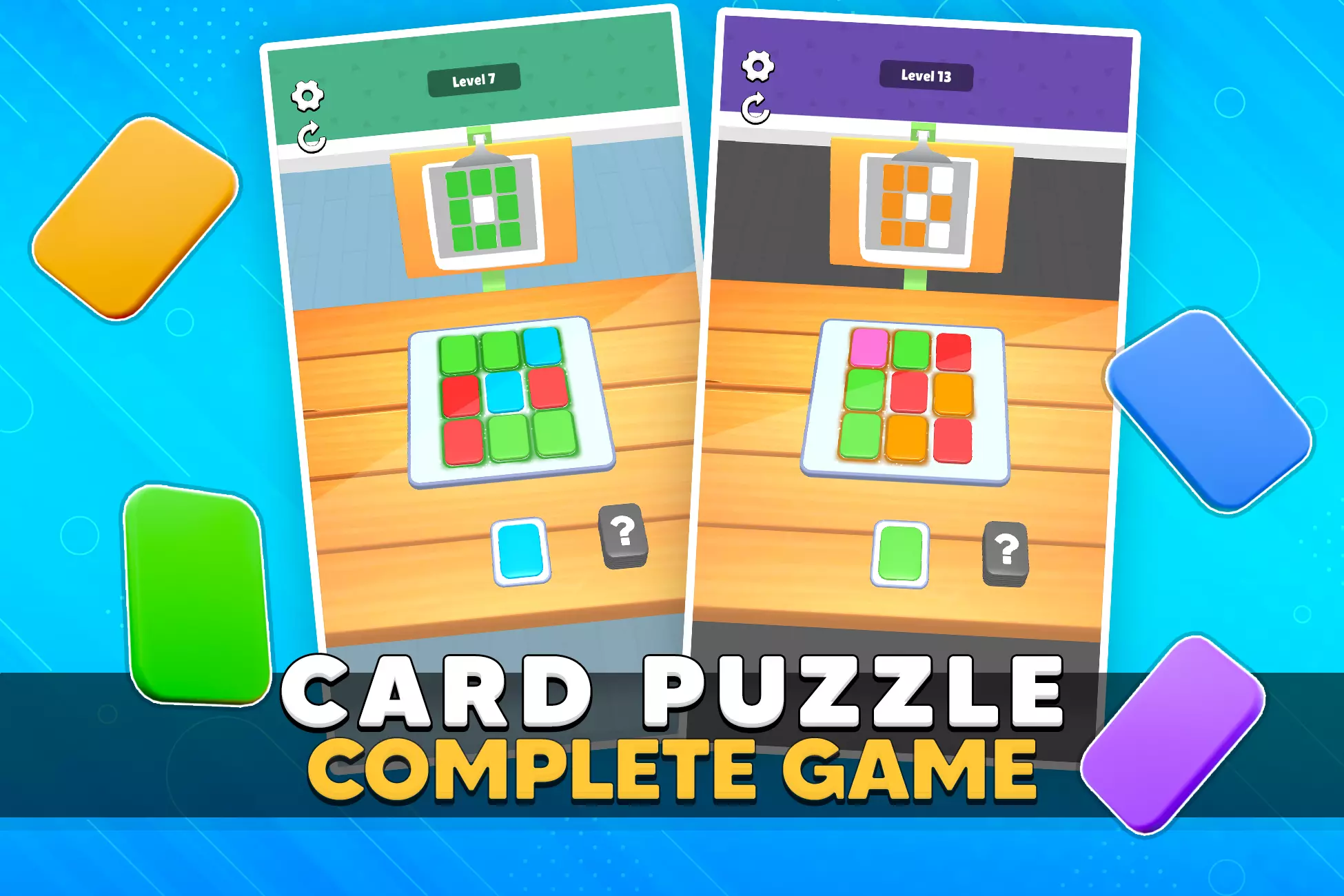

Not every puzzle game needs matching tiles or falling blocks. Sometimes the smartest gameplay loop is the simplest one — move a card, watch the board react, think two steps ahead. That's exactly what this Unity template delivers, and it's why developers keep coming back to card-based logic when they want something that feels different from the match-3 crowd.
If you've been scrolling through puzzle source code marketplaces looking for a concept that isn't a carbon copy of everything else on the store, this one is worth a closer look.
Most puzzle games ask players to find patterns. This one asks them to create patterns by physically shifting cards across a grid until everything lines up correctly. There's no random matching involved — every move is deliberate, every mistake is visible, and every solution feels earned.
That single design choice changes the entire player experience. Instead of relying on luck or speed, the game rewards planning. Players who like brain teasers, sudoku-style logic, or slide puzzles tend to gravitate toward this kind of mechanic because it respects their time and their thinking.
Here's the basic loop:
It sounds simple written out like that, but the difficulty curve is where the design really shines. Early levels teach the mechanic gently. By the mid-game, players are juggling limited move counts, tighter grids, and card combinations that force real strategic thinking. That escalation is deliberately paced so players don't bounce off the game from frustration, but they also don't get bored from things being too easy.
A puzzle mechanic is only as good as the device it runs on. This template has been built with mobile hardware limitations in mind — meaning the animations, touch input, and board rendering are all tuned to avoid the stutter and lag that kill retention on lower-end Android phones.
Smooth performance isn't just a nice-to-have here. Puzzle games live or die by session length, and a laggy card-drag animation is enough to make a player close the app and never come back. That's a lesson a lot of studios learn the hard way with heavier 3D projects — you can see a similar performance-first philosophy applied to entirely different genres, like the vehicle physics in the Mad Truck Challenge 4×4 racing Unity template, where frame stability matters just as much even though the gameplay is worlds apart.
Because the game is structured around discrete, replayable levels, it naturally creates the kind of "pause points" that ad networks love. Interstitial ads fit neatly between levels, rewarded video ads can be tied to hints or extra moves, and the whole system is wired to plug into AdMob without you needing to rebuild the game's architecture.
If you're new to the business side of reskinning and publishing, it's worth reading through how much you can realistically earn selling a reskinned Unity game before pricing your own release. Puzzle titles with clean monetization hooks like this one tend to perform well precisely because the ad placements don't feel forced — they slot into natural breaks in play.
The visual layer of this template is intentionally decoupled from the logic layer. That means you can swap card art, backgrounds, UI skins, and even sound design without touching the underlying gameplay scripts. Want a horror-themed card deck? A kids'-friendly cartoon skin? A minimalist zen aesthetic? All of that is achievable through asset replacement rather than code rewrites.
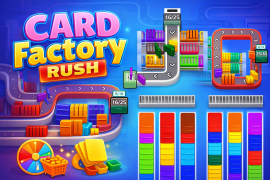
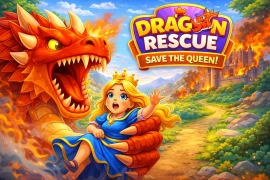
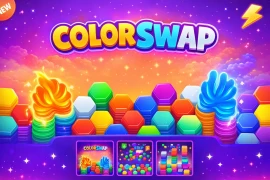
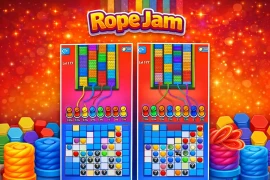
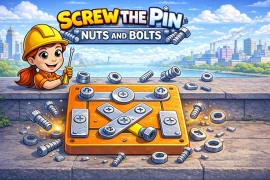
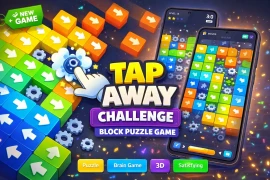
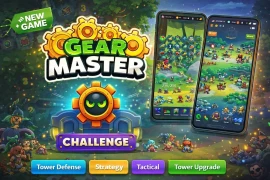
This is the same reskinning philosophy that runs through a lot of the catalog here. Take a look at how differently a puzzle concept can be dressed up once you compare a few examples:
Each of these started as a core mechanic and became something distinct through theming alone. The card-shifting puzzle is built with that same flexibility baked in from day one.
Nobody wants to inherit a tangled mess of scripts just to change a button color. This project is organized into modular, readable Unity C# components, so whether you're a solo developer picking apart the logic for the first time or a studio dev integrating it into a larger pipeline, the structure won't slow you down.
That modularity also matters if you're planning to layer in extra features later — timed modes, daily challenges, hint systems, or leaderboard integration. Because the core shifting logic is isolated from the UI and monetization layers, adding new systems doesn't mean rewriting what already works.
If you're building out a catalog of casual titles rather than betting everything on one release, a card-shifting puzzle slots in nicely alongside other logic and matching games. It gives your lineup variety without requiring you to learn a completely new engine architecture — the skills you build maintaining this template carry over to similar projects.
For developers exploring what else might complement a puzzle-focused portfolio, it's worth browsing the full catalog of Unity game templates to see how different mechanics — physics, matching, sorting, arcade — can be mixed into a diversified release strategy rather than relying on a single genre.
This template makes the most sense for:
It's less suited for teams chasing hyper-casual, zero-thought tap games — this concept rewards a slightly more patient, thoughtful player, and the monetization model is built around that pacing.
Card-based mechanics don't get nearly as much attention as match-3 or merge games, which is exactly why this template stands out in a crowded marketplace. It offers genuine strategic depth, a mobile-optimized build, ad-ready monetization, and a codebase that won't punish you for wanting to customize it.
If you're ready to publish something that doesn't look like everything else already on the app stores, this is a solid foundation to build from.
Is the Card Shifting Puzzle template beginner-friendly for someone new to Unity? Yes. The scripts are organized into clear, modular sections, so even developers with limited Unity experience can follow the logic, make small edits, and gradually learn how the systems connect.
Can I change the card art without breaking the gameplay logic? Absolutely. The visual assets are separated from the core mechanics, meaning you can replace card designs, backgrounds, and UI skins without touching the code that handles movement and level-solving.
Does the template already support ads, or do I need to integrate them myself? The structure is built to be AdMob-ready, with natural break points between levels for interstitial ads and optional rewarded video placements for hints or extra moves.
Will this game run smoothly on older or budget Android devices? The template is optimized for consistent performance across a range of devices, which helps reduce lag and keeps the touch-based card interactions responsive even on lower-end hardware.
Can I add new features like leaderboards or timed levels later on? Yes. Because the gameplay logic is modular, you can extend the project with additional systems — leaderboards, timers, hint mechanics, or level packs — without needing to rebuild the existing codebase.
How is this different from a typical match-3 or tile puzzle? Instead of matching identical items, players physically reposition cards to reach a correct sequence or arrangement. It's a more deliberate, strategy-driven mechanic compared to the randomness often found in matching games.
Is this template suitable for reskinning and reselling? Yes, it's built with reskinning in mind. If you're weighing the business potential of that approach, it's worth reading about how much you can earn selling a reskinned Unity game before deciding on your pricing and release strategy.
Does the purchase include documentation and support? Yes, the package includes documentation to help you get started, along with support options depending on the license tier you choose at checkout.
Contact us on Team for technical help
Team ID: Unity Source Code
Don’t forget to review us!🌟🌟🌟🌟🌟
You need to login to comment!
Total Sold:
0
Total Comments: