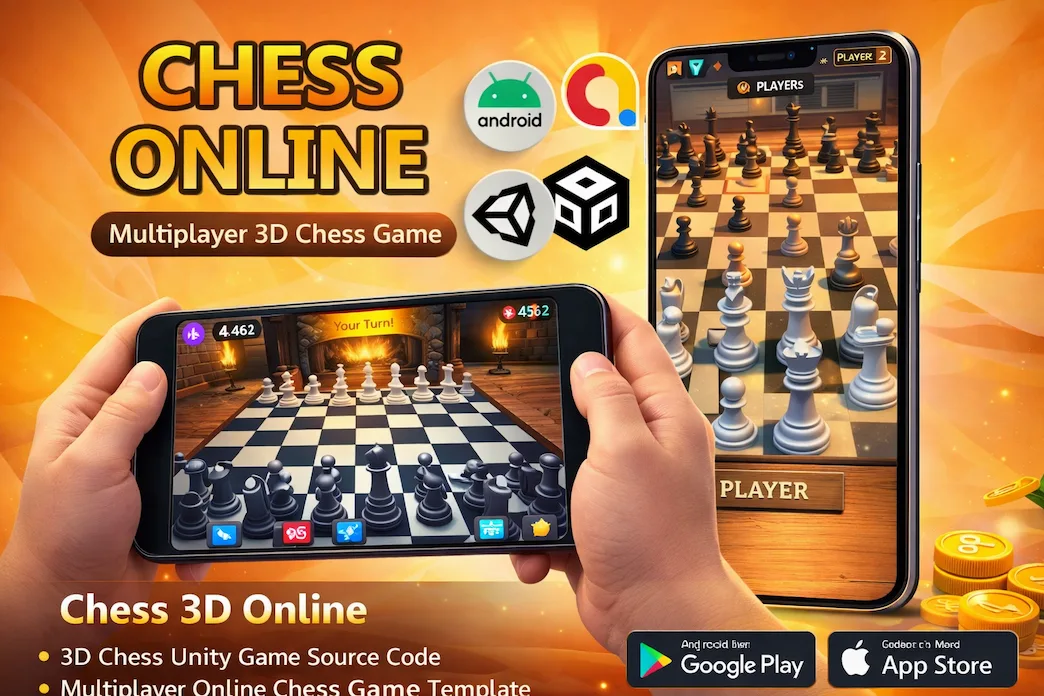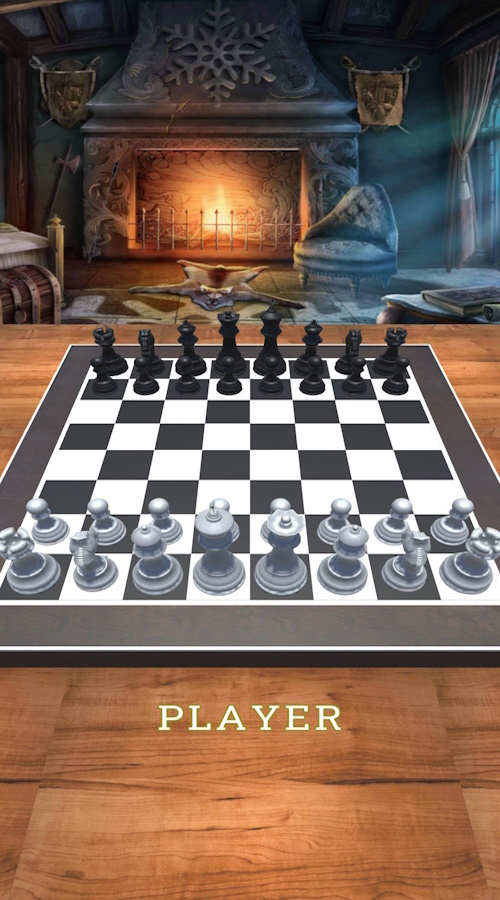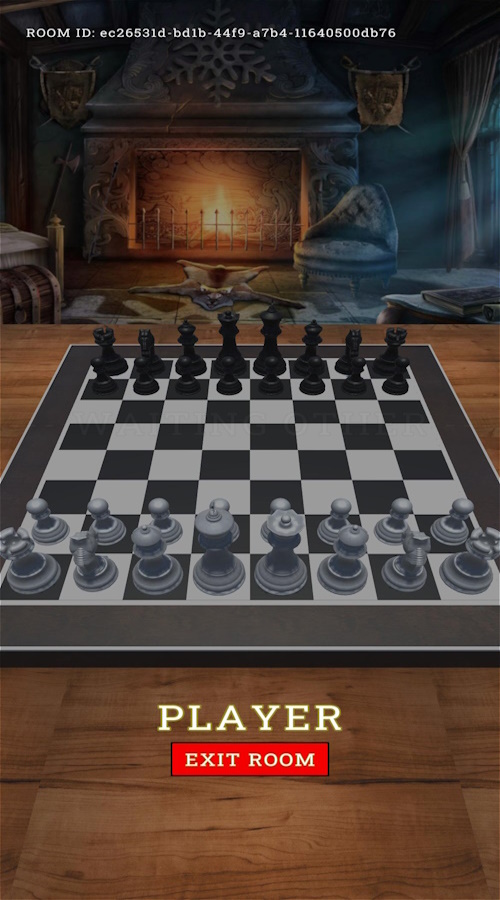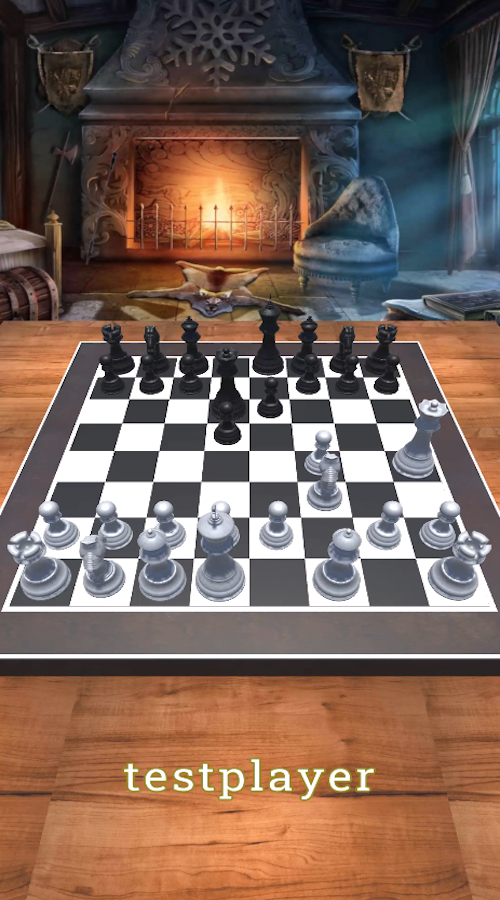

Chess hasn't changed much in centuries. What has changed is how people play it — and today, that means a phone screen, a stranger on the other side of the world, and a match that starts within seconds of opening the app. This Unity source code is built for that exact reality: a fully 3D chess experience with real-time online multiplayer at its core.
For developers who want to enter the board-game space without reinventing rules that have existed since the 6th century, this template gives you the technical foundation while leaving the branding and growth strategy entirely up to you.
Live, competitive chess only works if moves sync instantly and reliably. That's the hardest technical problem in any real-time board game, and it's already solved here:
Getting this networking layer right from scratch is a genuinely difficult engineering task. Starting from a working implementation instead of building it blind is one of the biggest time-savers this template offers.
A chess app that gets the rules wrong loses credibility instantly with its audience — chess players notice immediately. This implementation handles the full rule set correctly:
That authenticity matters just as much for beginners learning the game as it does for competitive players who will abandon an app the moment they spot a rules error.
Plenty of chess apps still look like they were designed in 2009. This one leans into a modern 3D aesthetic instead:
None of this changes how chess is played, but it changes how chess feels on a touchscreen — and that difference is often what separates an app people screenshot and share from one they quietly uninstall.
Most mobile genres fight for attention with fast dopamine loops — quick wins, instant rewards, constant motion. Chess works on the opposite principle: engagement comes from mastery, competition, and the slow burn of getting better over time. That's a fundamentally different retention strategy than what drives, say, an arcade hill-climb title like MMX Hill Dash, where the hook is immediate reflexes and speed rather than long-term strategic depth.
If you're deciding which genre fits your next release, it helps to think about which kind of player you're building for — someone chasing a fast five-minute thrill, or someone willing to sit with a fifteen-move match against a live opponent.
Board games monetize differently than hyper-casual titles, and this template is structured with that in mind:
This mirrors a broader pattern across the catalog, where casual games rely on volume-based ad monetization while more skill-based titles lean toward optional purchases and subscriptions. A cooking-sim title like Mobile Kitchen Maestro, for instance, monetizes around progression rewards and unlockables rather than raw ad frequency — a strategy that maps more naturally onto skill-based games like chess than pure arcade monetization would.
The codebase is organized with expansion in mind rather than treated as a finished, closed product:
Because the C# scripting is modular, most of these additions slot in without requiring a rewrite of the existing networking or rules engine — a meaningful advantage if you're planning ongoing updates rather than a single static release.
The project is structured so both newer developers and experienced teams can work with it comfortably:
If online multiplayer feels intimidating, this is one of the more approachable ways to get hands-on experience with real-time synchronization without building that system from zero.
Chess sits naturally alongside other logic-driven titles rather than fast-paced arcade games. If you're building a portfolio around strategic or puzzle mechanics, it's worth comparing how a mechanically different but similarly logic-driven title like Mobile Merge Block Puzzle approaches pacing and difficulty scaling, or how a management-style game like Mob Control balances strategic planning against real-time pressure. Seeing how different genres solve similar engagement problems is often more useful than studying chess apps in isolation.
If you're still narrowing down which template fits your next release, browsing what's already resonating with other developers is a reasonable place to start. The popular items and bestseller collections both reflect current demand trends across the catalog, which can help validate whether a strategy-heavy title like chess fits where the market is actually heading.
And if you're newer to Unity development in general, it's worth reading through the best Unity source code projects for beginners in 2026 — chess is a genuinely strong learning project precisely because it forces you to work with structured logic and real-time networking at the same time, two skills that transfer directly to almost any other genre you build afterward.
Chess doesn't need reinventing — it needs a solid, modern implementation that respects the rules while feeling native to a mobile screen. This template delivers exactly that: authentic gameplay, real-time multiplayer infrastructure, a clean 3D presentation, and a codebase built to grow rather than sit static after launch.
For developers looking to build in the strategy and board-game space without starting the networking layer from scratch, it's a genuinely practical foundation.
Does this template include a working multiplayer system, or just single-player logic? It includes real-time online multiplayer functionality with move synchronization between players, along with a structure that supports expanding into matchmaking or private rooms.
Is the chess rule set fully accurate, including checkmate and draw conditions? Yes. The template enforces standard chess rules, including legal move validation, check and checkmate detection, and draw conditions.
Can I add an AI opponent for single-player mode? AI opponents aren't included by default, but the modular code structure is designed to support adding difficulty-based AI as an expansion.
What Unity version does this project use? The current build is developed on Unity 2021.2.7f1. It's worth checking compatibility if you're integrating it into a different Unity version.
Is this template suitable for developers without networking experience? It's approachable for intermediate developers, and the existing networking implementation means you don't need deep real-time systems expertise to get a match running.
How can I monetize a chess app effectively? Common approaches include rewarded ads for hints or undos, interstitial ads between matches, and premium cosmetic content like board and piece themes, all of which this template is structured to support.
Can I change the visual theme of the board and pieces? Yes, the 3D assets can be swapped or restyled, allowing you to create different board themes, piece sets, or overall visual identities.
Does the purchase include documentation and support? Yes, documentation is provided, and support is available based on the license tier selected at checkout.
You need to login to comment!
Total Sold:
0
Total Comments: