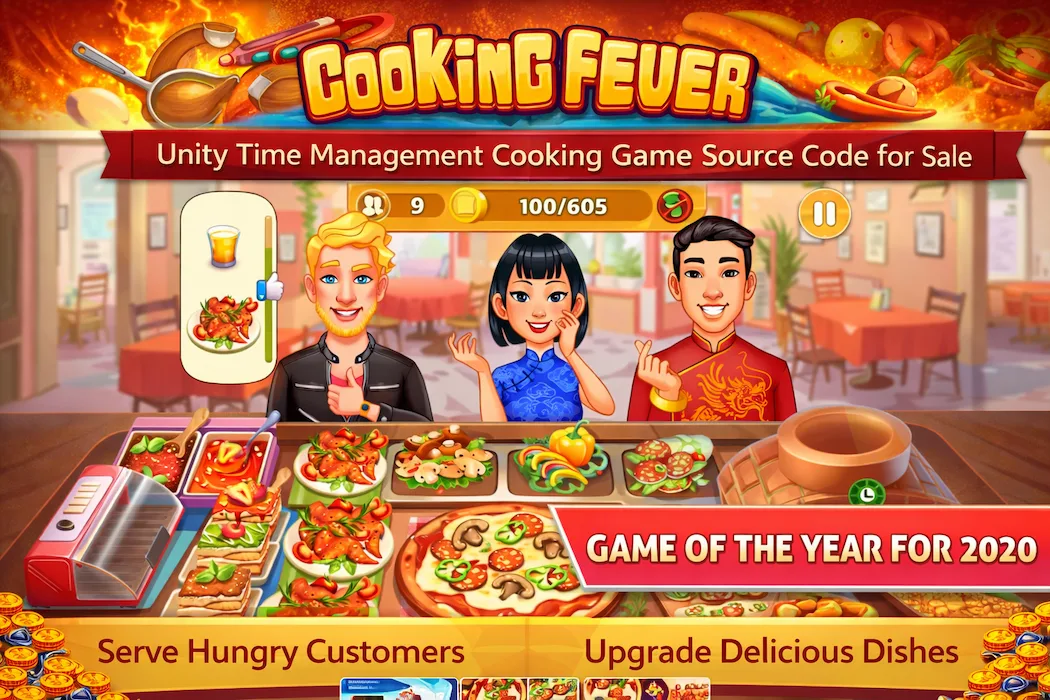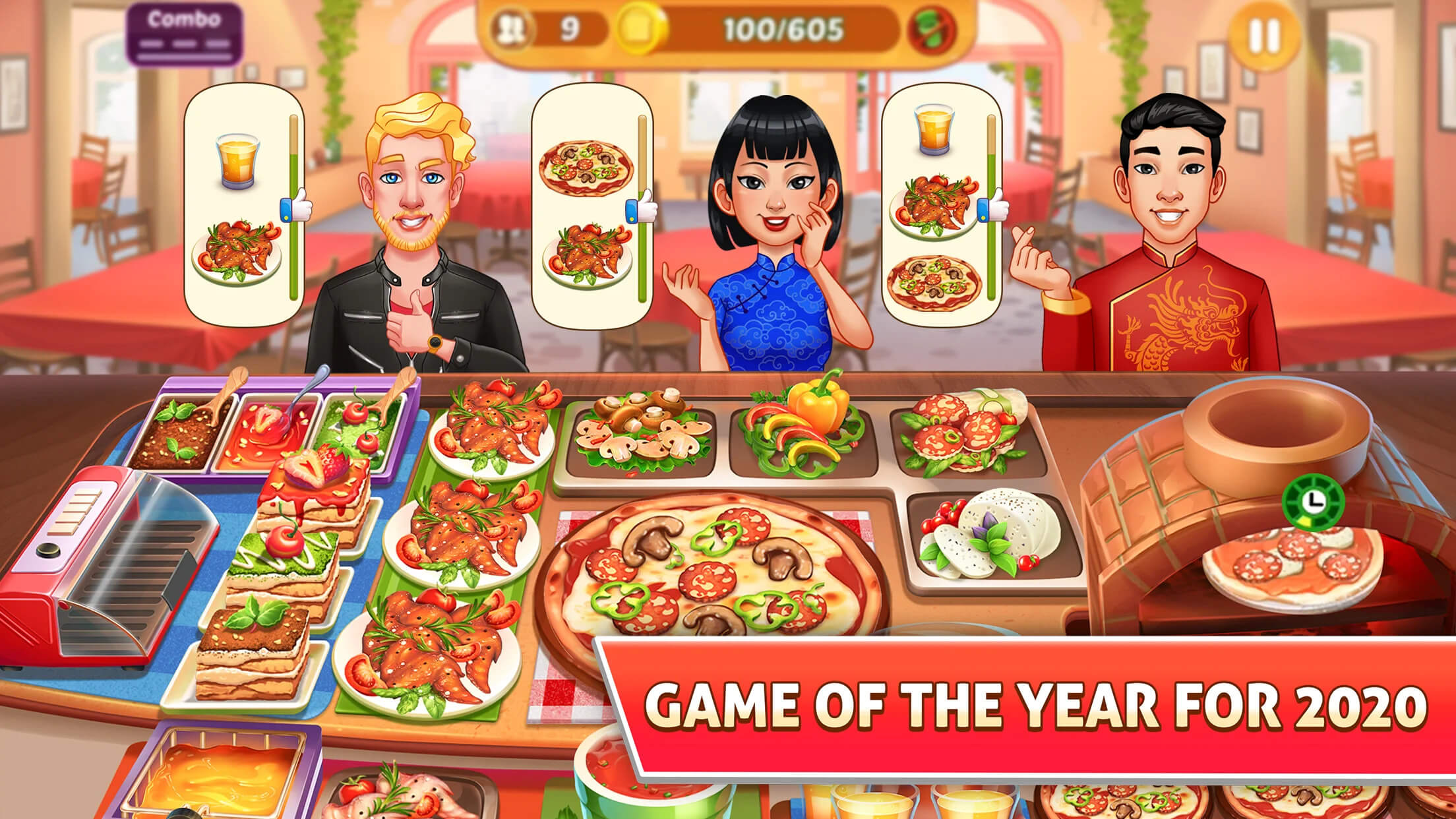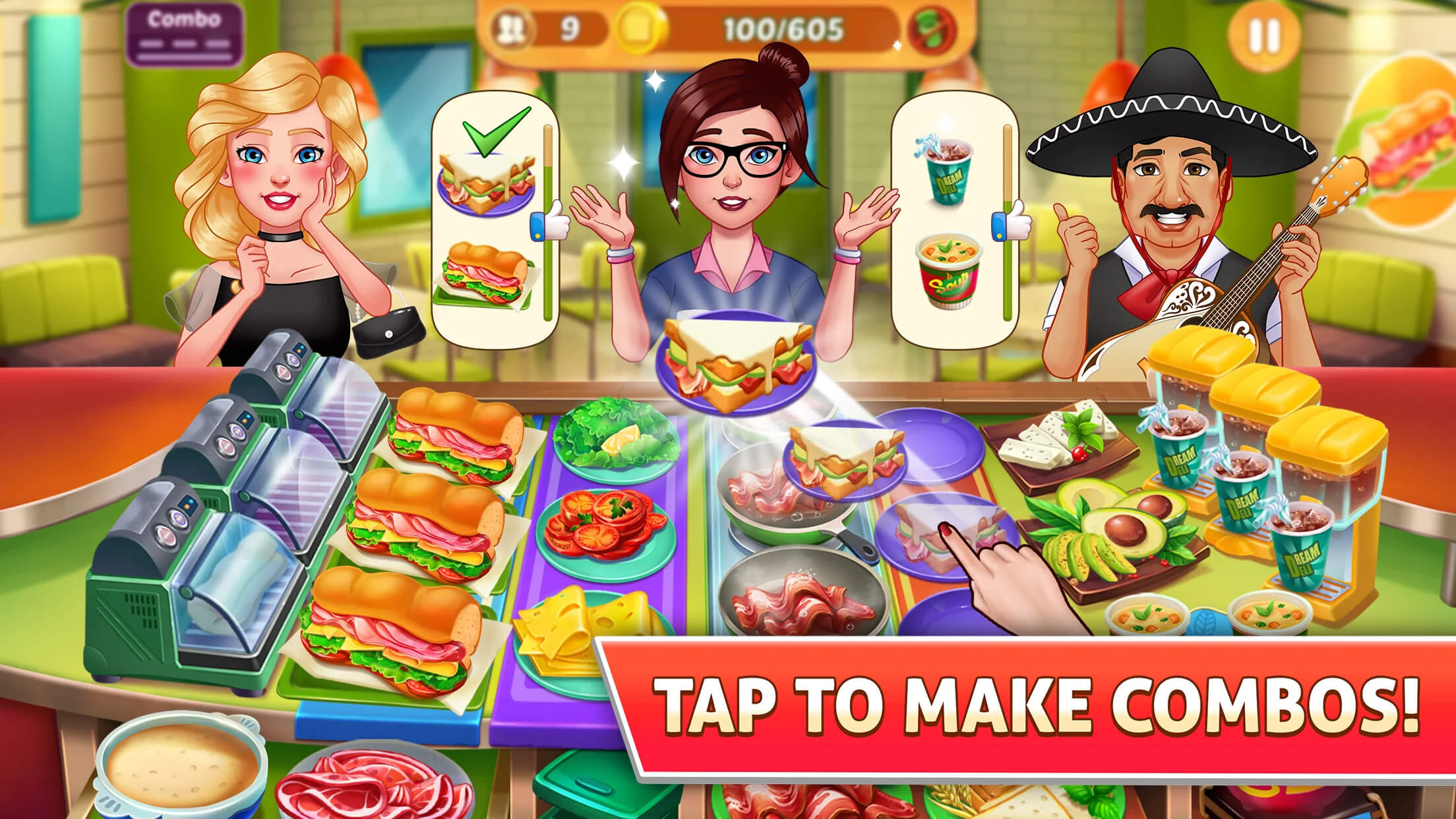

There's a specific kind of stress that people actually enjoy — the countdown-timer, plates-piling-up, customers-getting-impatient kind. Time management cooking games have turned that manufactured pressure into one of mobile gaming's most reliable genres, and Cooking Fever is a Unity source code built specifically to capture that feeling well.
This isn't a slow-paced simulation where players calmly manage a restaurant. It's fast, demanding, and deliberately a little chaotic — in the best way. If you're a developer looking to launch a cooking game that actually earns repeat sessions instead of one-time downloads, this template gives you a proven structure to build from.
Kitchen management games live and die by how well they simulate pressure. Orders come in, customers wait, and every second of hesitation costs you. This template nails that core tension:
None of this works if it feels arbitrary. The pacing here is tuned so pressure builds naturally rather than feeling like an unfair difficulty spike.
The genre thrives on a very specific kind of decision-making — prioritizing urgency over perfection. Players constantly juggle:
That constant recalibration is what makes the loop addictive rather than repetitive. Every level is technically "the same game," but no two runs feel identical once complexity ramps up.
Unlike static puzzle games, progress here is visible and tangible. Players invest earnings into:
That physical sense of growth — watching a cramped kitchen evolve into an efficient, expanded operation — gives players a much stronger motivation to keep playing than score numbers alone ever could.
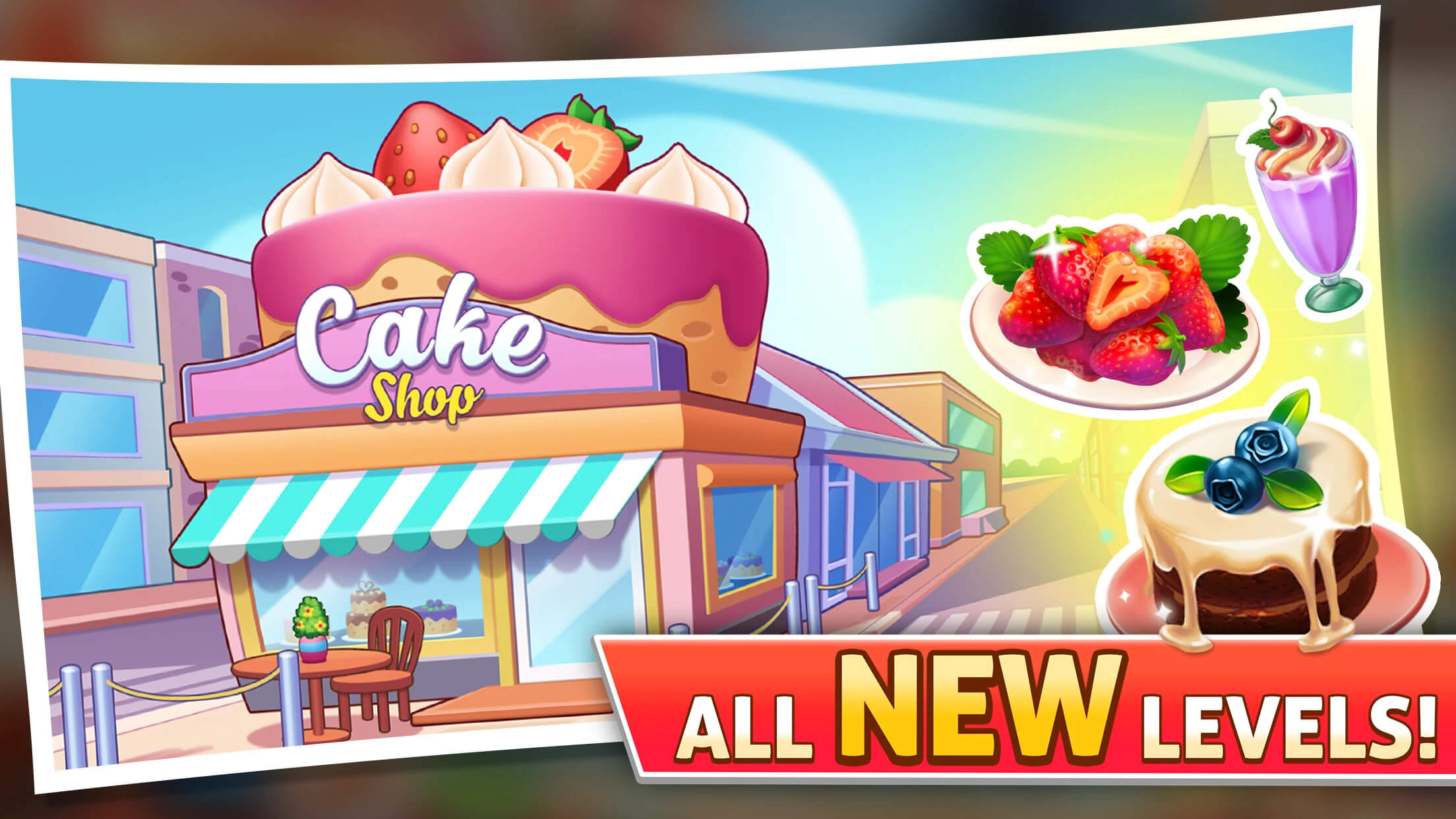
Levels start simple, teaching mechanics almost invisibly, then gradually introduce complexity:
Games that front-load their difficulty lose casual players fast. This one avoids that mistake by design.
Mobile time-management games depend entirely on responsive controls, and this template delivers:
If the controls lag even slightly during a rush, the whole experience falls apart — which is why responsiveness here isn't an afterthought.
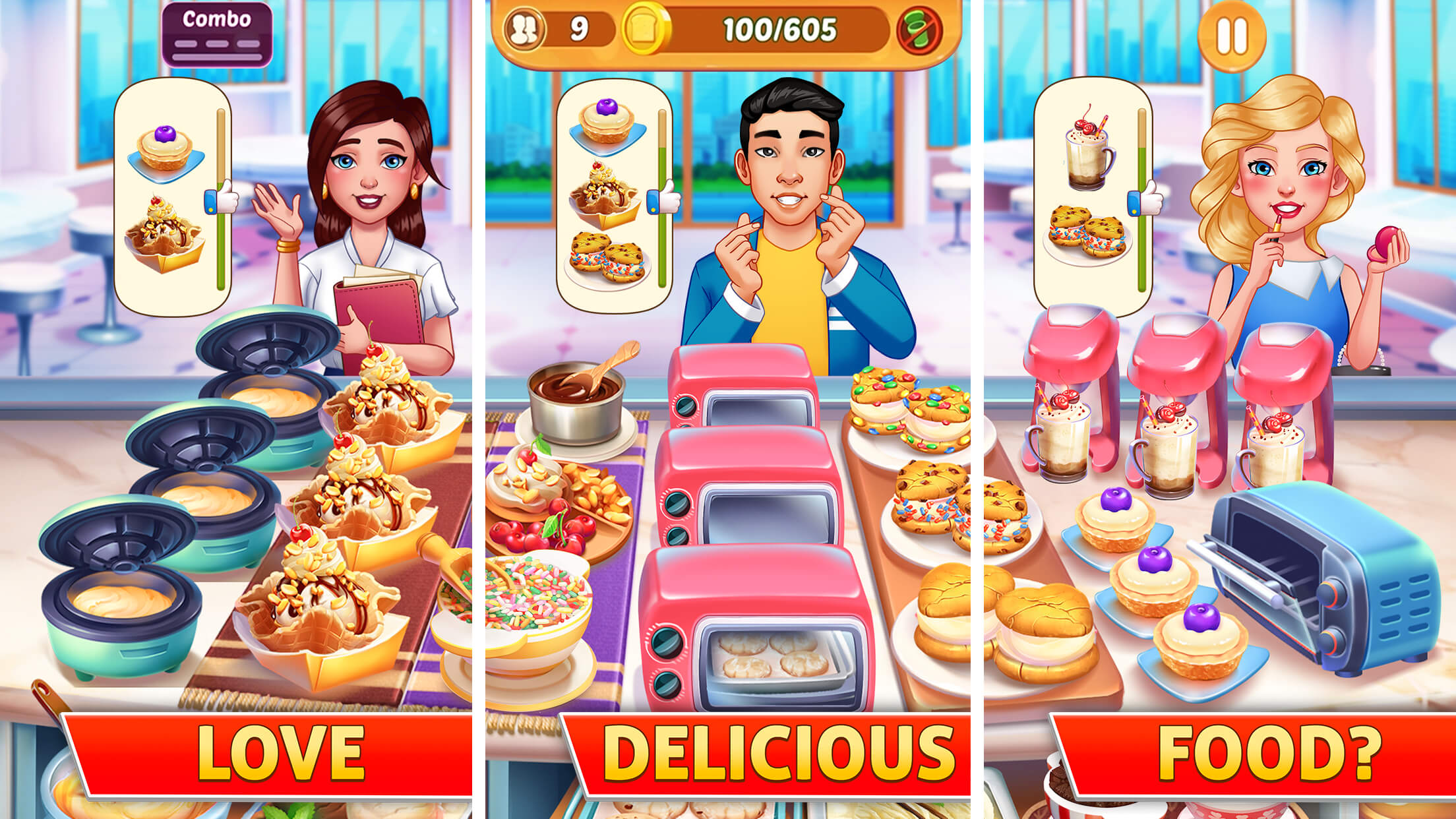
Bright, appetizing visuals paired with smooth animations keep the game feeling energetic rather than sterile. Clear order displays ensure players never lose track of what's needed, even during the busiest in-game rush hours — a small UI detail that makes a significant difference in actual playability.
Underneath the surface, the project uses clean, modular C# scripting that makes recipe changes, level additions, and UI adjustments straightforward rather than risky. Developers looking to build a distinct cooking game — rather than an obvious clone — will find the structure flexible enough to support real customization work.
If you're weighing this against other fast-paced, skill-based mobile concepts, it's worth comparing it to Run Clicker – Tap Muscle Up, which applies a similarly rapid, tap-driven engagement loop in a completely different genre context.
The gameplay cycle is simple to describe but genuinely sticky in practice: cook, serve, earn, upgrade, repeat. Each cycle slightly improves efficiency, unlocks new content, and pushes players toward a higher personal score — the same core loop that's made this genre a long-term mobile staple rather than a passing trend.
Because gameplay is structured around discrete levels and natural pause points, monetization fits in cleanly:
These aren't bolted-on afterthoughts — they align naturally with moments when players are already pausing to catch their breath.
Post-launch, there's substantial room to grow this into something much bigger:
None of this is required at launch, but each addition extends the game's earning potential well past its first few months.
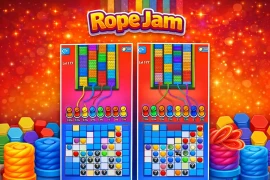
If cooking simulation isn't your only interest, there's a wide range of other genres in the catalog worth exploring. For something with a completely different energy, Rob Thief – Escape Police offers tense, stealth-driven gameplay, while Rope Jam leans into satisfying physics-based puzzle mechanics.
For players who enjoy action and combat-driven pacing instead of kitchen management, Samurai Warriors delivers fast melee combat, and Sandbox Exploration 3D offers a completely different, open-ended experience built around discovery rather than time pressure.
If you want to see what's currently gaining traction across the store, the trending games section is worth checking, and browsing the full homepage catalog gives a wider view of what's available before you commit to a purchase. If you're still early in your Unity development journey, this guide on how to make games in Unity is a useful supporting resource alongside this template.
Additional add-ons are available for publishing assistance, tiered app store optimization (Basic, Standard, Premium, and iOS-specific packages), custom branding, full reskin services starting at $3,999, and extended support beyond the included period.
Cooking Fever succeeds by leaning fully into the tension that makes time-management games so effective — pressure, prioritization, and the satisfaction of getting faster with practice. Combined with a genuinely scalable upgrade system and a codebase built for real customization, this template gives developers a strong, proven foundation for launching a cooking game designed to hold attention well beyond a single play session.
1. What type of game is Cooking Fever built around?
It's a fast-paced time-management cooking simulation focused on multitasking, speed, and restaurant progression.
2. Which Unity version does this project use?
The current build runs on Unity 2021.2.7f1.
3. Can I add new restaurants, cuisines, or menu items?
Yes, the codebase is structured to support new restaurant themes, expanded menus, and additional content without disrupting core systems.
4. Is this template ready for ad monetization?
Yes, AdMob integration is included, along with support for rewarded ads and interstitial placements between levels.
5. What's the difference between the Regular and Extended License?
The Regular License ($999) includes 3 months of support, while the Extended License ($1,999) includes 6 months of support and extended usage rights.
6. Is the codebase suitable for building multiple game variations?
Yes, the modular C# structure makes it practical to reskin and customize recipes, levels, and UI for different themed releases.
7. Does the package include documentation and support?
Yes, technical support is available via Skype, along with the standard support period included in your chosen license.
8. Can I expand this into a series with multiple restaurants or events?
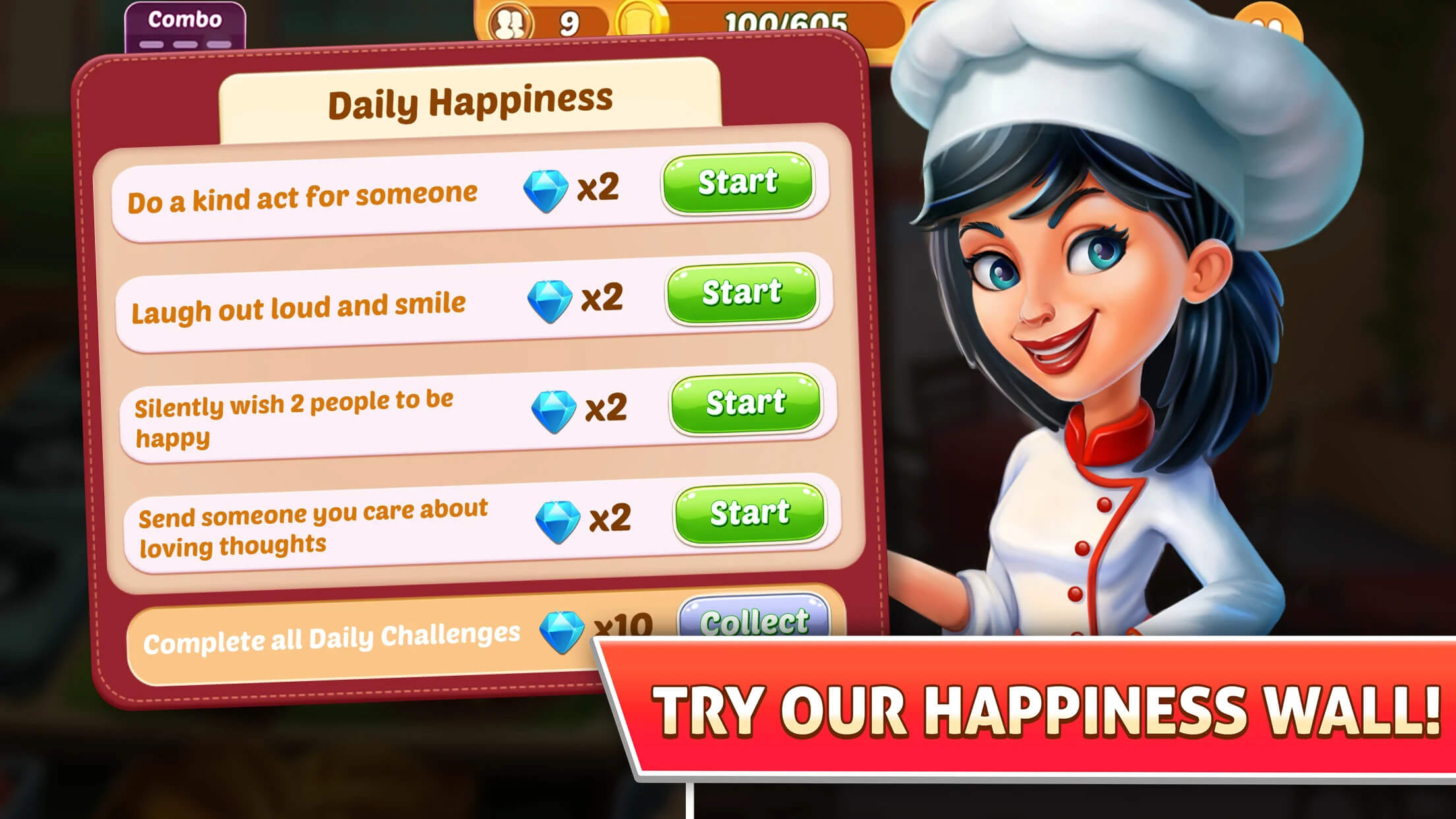
Yes, the project is designed to scale into a broader cooking franchise with new locations, seasonal events, and additional engagement features like leaderboards and daily missions.
You need to login to comment!
Total Sold:
0
Total Comments: