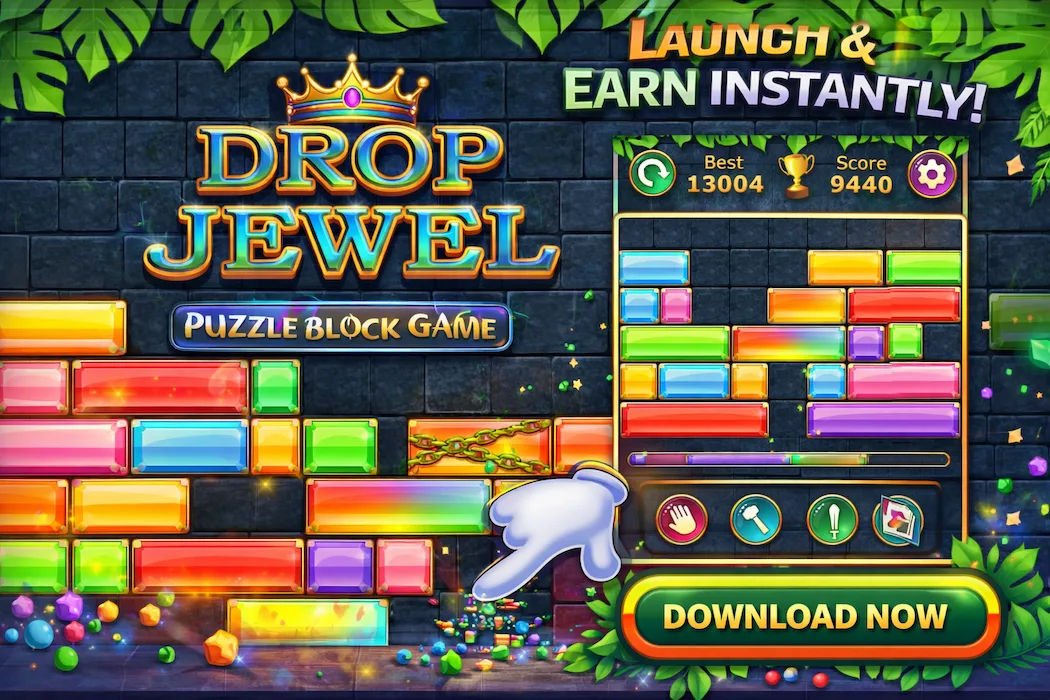
Puzzle games live or die on one question: does the first thirty seconds feel good? Drop Jewel Puzzle Block was built with that question front and center. It's a Unity template centered on a familiar, block-dropping, line-clearing formula — but polished, optimized, and packaged so you can publish it without writing the core mechanics yourself.
If you've been searching for a Unity puzzle game source code that's actually finished rather than half-built, this is worth a close look. The gameplay, the UI, and the monetization framework are already in place. What's left is the part that makes it yours: art direction, branding, and getting it in front of players.
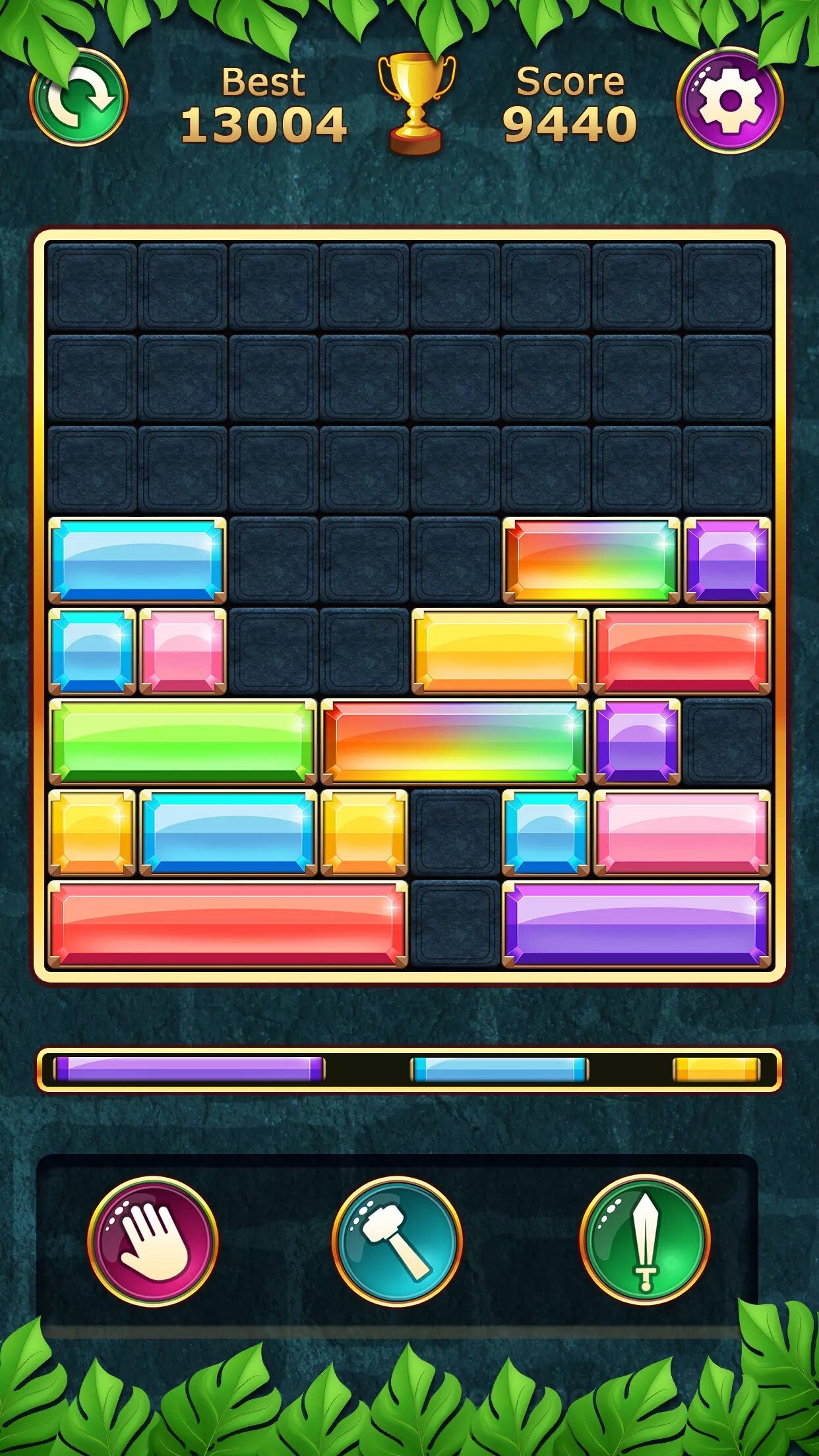
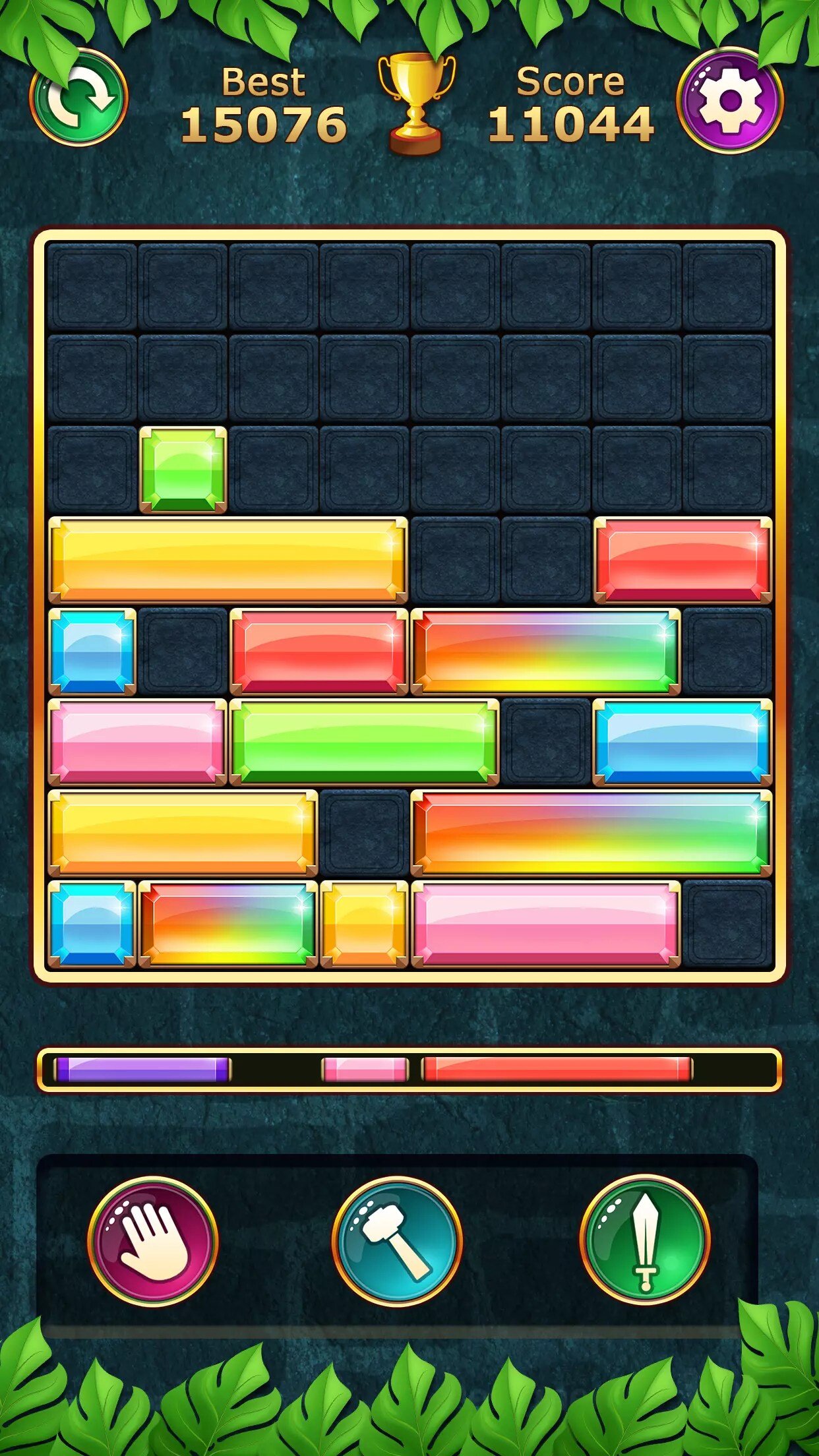
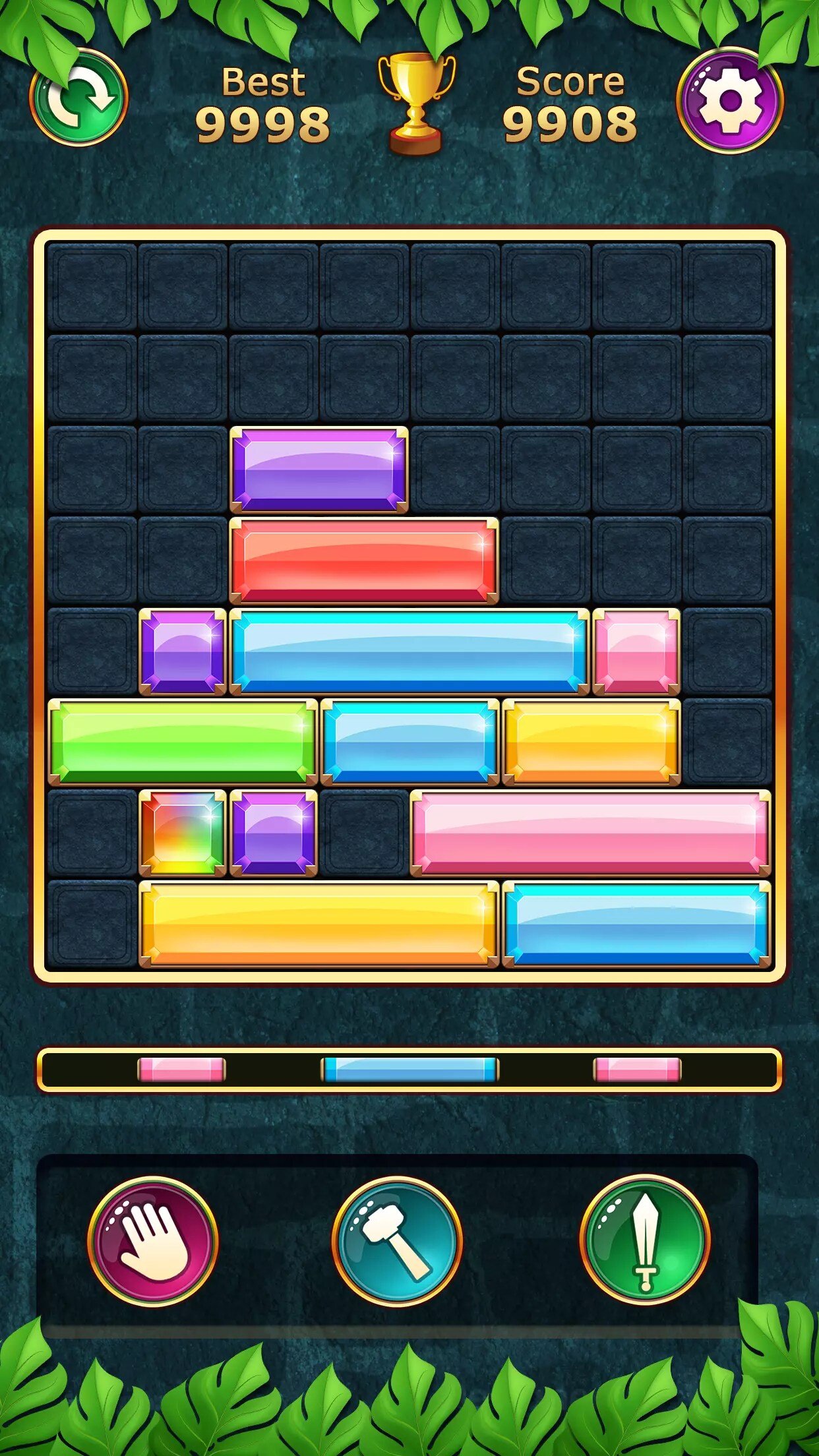
Players drag jewel-shaped blocks onto a grid, working to complete full horizontal or vertical lines. Clear a line, and it disappears, freeing up space and adding to the score. Fail to manage the board carefully, and the grid fills up until there's no room left to place anything — game over.
It's a formula puzzle fans will recognize instantly, which is exactly the point. Familiarity removes friction. Nobody needs a tutorial to understand "fill the line, clear the line." What keeps the format fresh, round after round, is the tension of watching available space shrink and having to think a few moves ahead to avoid boxing yourself in.
1. Zero learning curve for players. There's no onboarding tunnel between install and first play. Drag, place, clear — the entire mechanic is understood within seconds, which matters enormously for retention in the first session.
2. Lightweight performance. The project has been built with efficiency in mind, running smoothly even on lower-spec Android devices. That matters if your monetization strategy depends on reaching the broadest possible install base rather than just flagship phones.
3. Organized, scalable code. Unity C# scripts are structured cleanly, so you're not untangling spaghetti code just to change a grid size or adjust scoring rules.
4. Monetization is already wired in. AdMob support covers interstitial and rewarded ad placements, both well suited to the short, replayable sessions this genre naturally produces.
5. Genuine reskin flexibility. Swap the jewel assets for gems, candy, fruit, or an entirely custom theme, and the underlying mechanic doesn't need to change at all.
Puzzle games with short session lengths are close to ideal for ad-supported revenue. A round ends, win or lose, in a couple of minutes — sometimes less — which creates frequent, natural breakpoints for interstitial ads without disrupting the play experience. Add rewarded video prompts (extra moves, a second chance, a small score boost) and you've got a monetization structure that doesn't feel like a tax on the player, but an optional trade they're often happy to make.
High replay value compounds this. Because failure in a puzzle-block game rarely feels unfair — it's almost always a result of the player's own placement decisions — the instinct to try again is strong. More replays mean more ad impressions, and more ad impressions mean steadier revenue without needing aggressive monetization tactics.
Out of the box, this template gives you a complete, functioning game. But it's also a strong foundation for a deeper product if you want to invest more development time:
Consider layering in daily login rewards or time-limited challenges to encourage repeat visits, power-ups and boosters that give skilled or paying players an edge, a global or friend-based leaderboard system to add competitive stakes, richer sound design and animation polish, and in-app purchase options for players willing to pay for convenience or cosmetics. None of these require rebuilding the core drag-and-clear mechanic — they extend it.
Whether you're publishing your first Unity project or your twentieth, the structure here is meant to be approachable. Beginners get a working game to learn from, study, and modify piece by piece. More experienced developers get a clean starting point that skips the tedious, repetitive parts of puzzle-game development — grid logic, match detection, board-fill conditions — so they can spend their time on differentiation instead of reinvention.
If you're building a catalog rather than a single release, a few other templates in our library complement Drop Jewel Puzzle Block well:
If racing or action genres are also on your roadmap, our roundup of top racing game source codes in Unity is a useful next stop for comparing options beyond puzzle content.
And if you're still building your foundational Unity knowledge — or just want a refresher on best practices before customizing this template — our guide on how to make games in Unity covers the fundamentals worth knowing before diving into a full project like this one.
Drop Jewel Puzzle Block is one release among a much wider selection. To see the complete range of genres and templates currently available, visit our games category for the full catalog.
What type of puzzle game is Drop Jewel Puzzle Block based on? It's a drag-and-drop, line-clearing block puzzle. Players position jewel-shaped blocks on a grid to complete horizontal or vertical lines, which then clear to free up space and add to the score.
Is this template suitable for developers with limited coding experience? Yes. The Unity C# scripts are organized cleanly, making it easier for developers with basic to moderate experience to understand, modify, and extend the project without deep prior puzzle-game development knowledge.
What monetization options are already integrated? AdMob support is built in, covering both interstitial and rewarded ad placements — formats well suited to this genre's short, replayable session structure.
Can I change the visual theme without breaking the gameplay? Yes. Swapping jewel assets for a different visual theme — gems, food items, or a fully custom design — doesn't require altering the core grid or line-clearing logic.
Does this run well on lower-end Android devices? Yes, the project has been optimized for lightweight performance, which helps it run smoothly across a broader range of device specifications rather than just high-end phones.
What's included when I purchase this template? The package includes the APK build, full documentation, and PNG assets. Licensing options include either three or six months of support, depending on whether you choose the regular or extended license.
Can I add features like leaderboards or power-ups later? Yes. The codebase is structured to support additions like power-ups, leaderboard systems, daily rewards, and in-app purchases without requiring a rebuild of the core mechanics.
Drop Jewel Puzzle Block gives you a genre with proven staying power, delivered as a clean, optimized, and monetization-ready Unity project. Rather than spending development time on grid logic and match detection, you get to start from a finished game and focus your energy on what will actually set your release apart in a crowded puzzle market.
For technical questions or customization help, our team is available directly through Skype under Unity Source Code.
You need to login to comment!
Total Sold:
0
Total Comments: