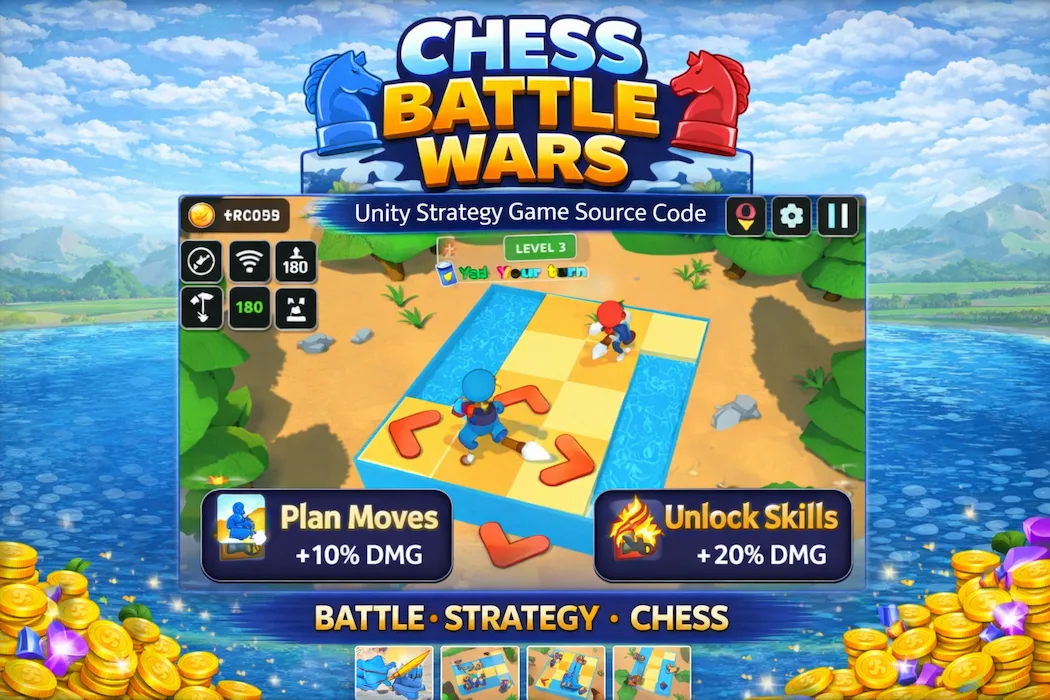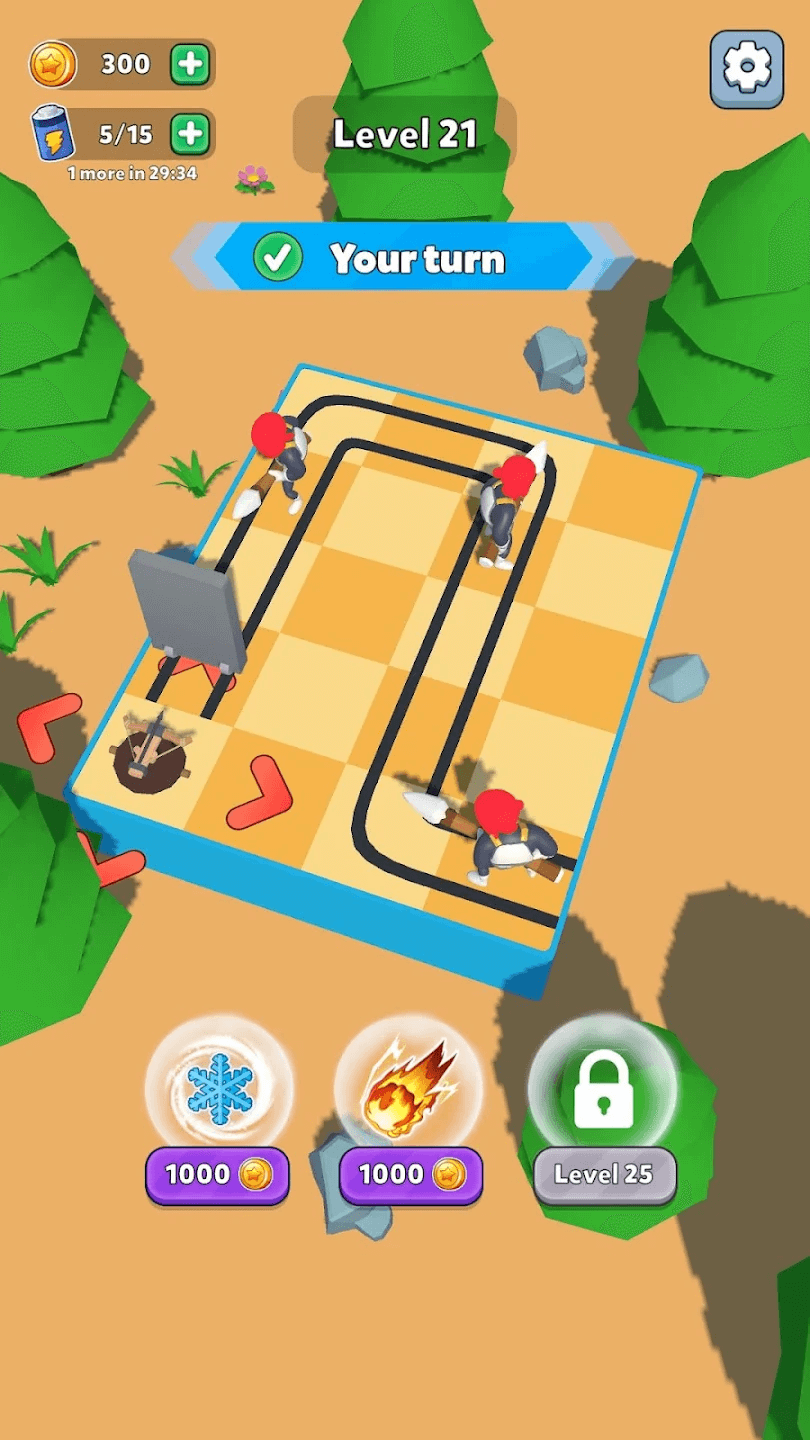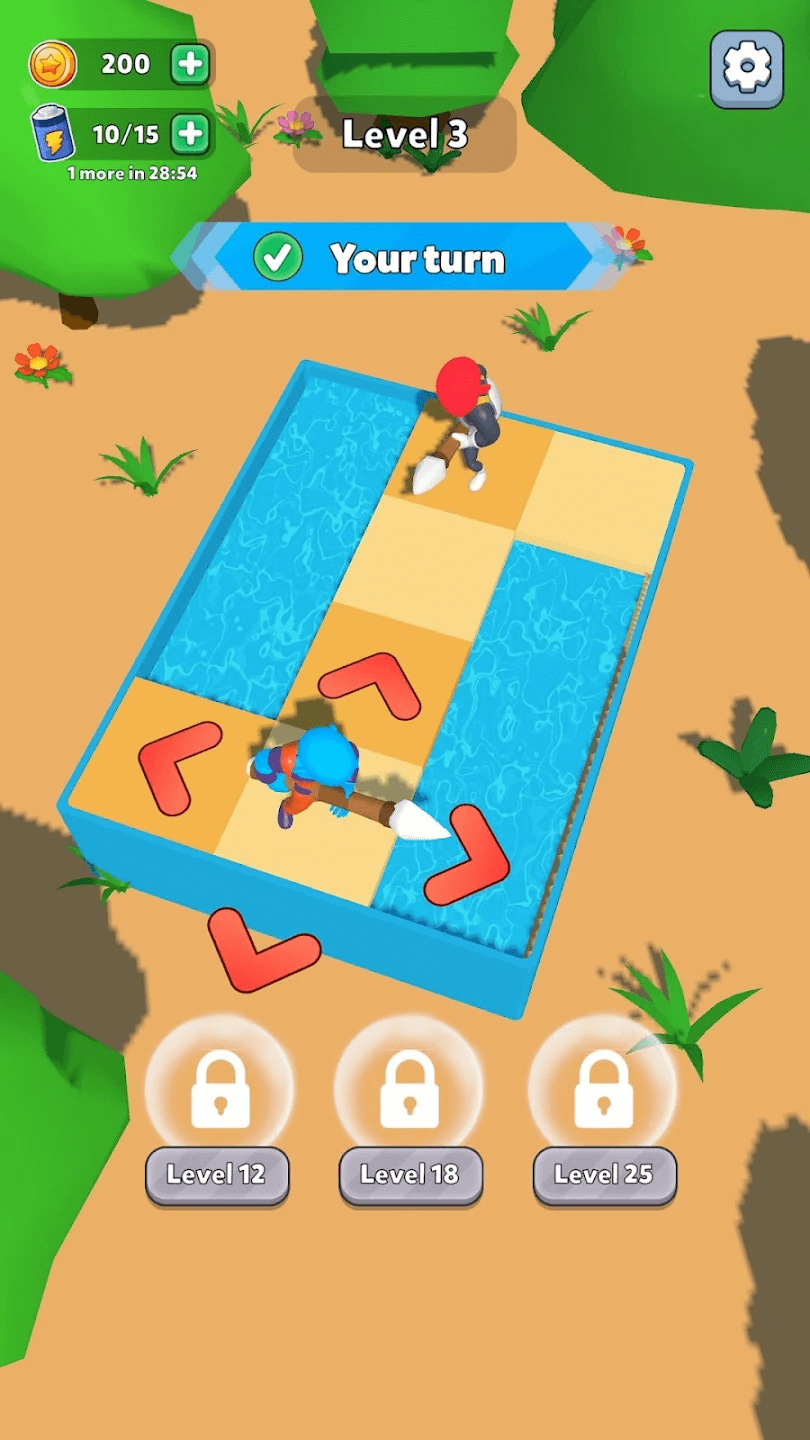
Chess has survived centuries without needing a redesign, but mobile gaming audiences respond to something a little more visceral than slow, silent turns. That's the gap Chess Battle Wars was built to fill. It keeps everything players already understand about chess — piece movement, positioning, forward planning — and injects battle mechanics on top, turning quiet strategy into something closer to tactical warfare on a board.
For developers hunting a Unity template that blends a familiar game format with fresh mechanics, this project is worth serious consideration. It's not a chess clone. It's chess reimagined as a combat strategy game, and that distinction matters a lot when you're trying to stand out in a crowded app store.
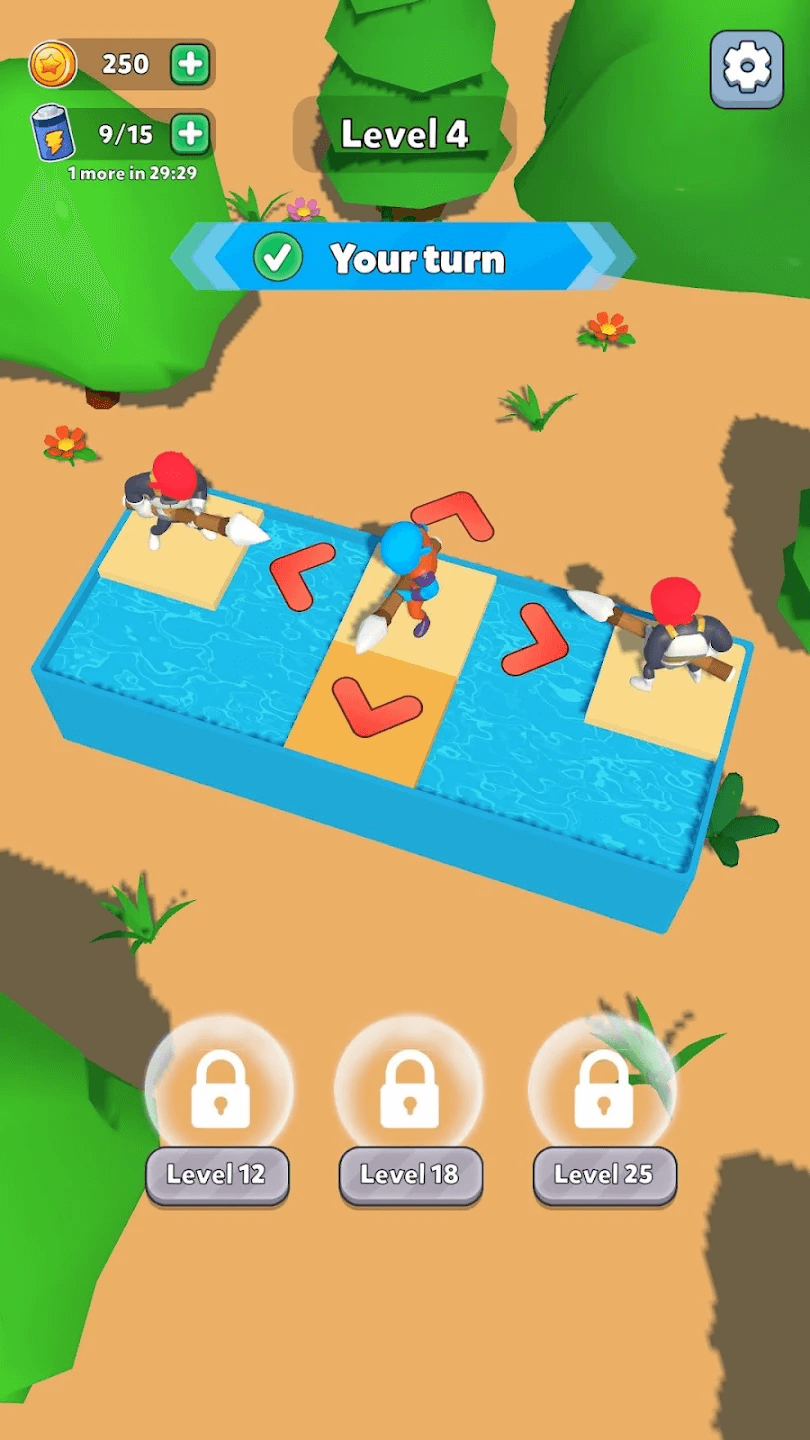
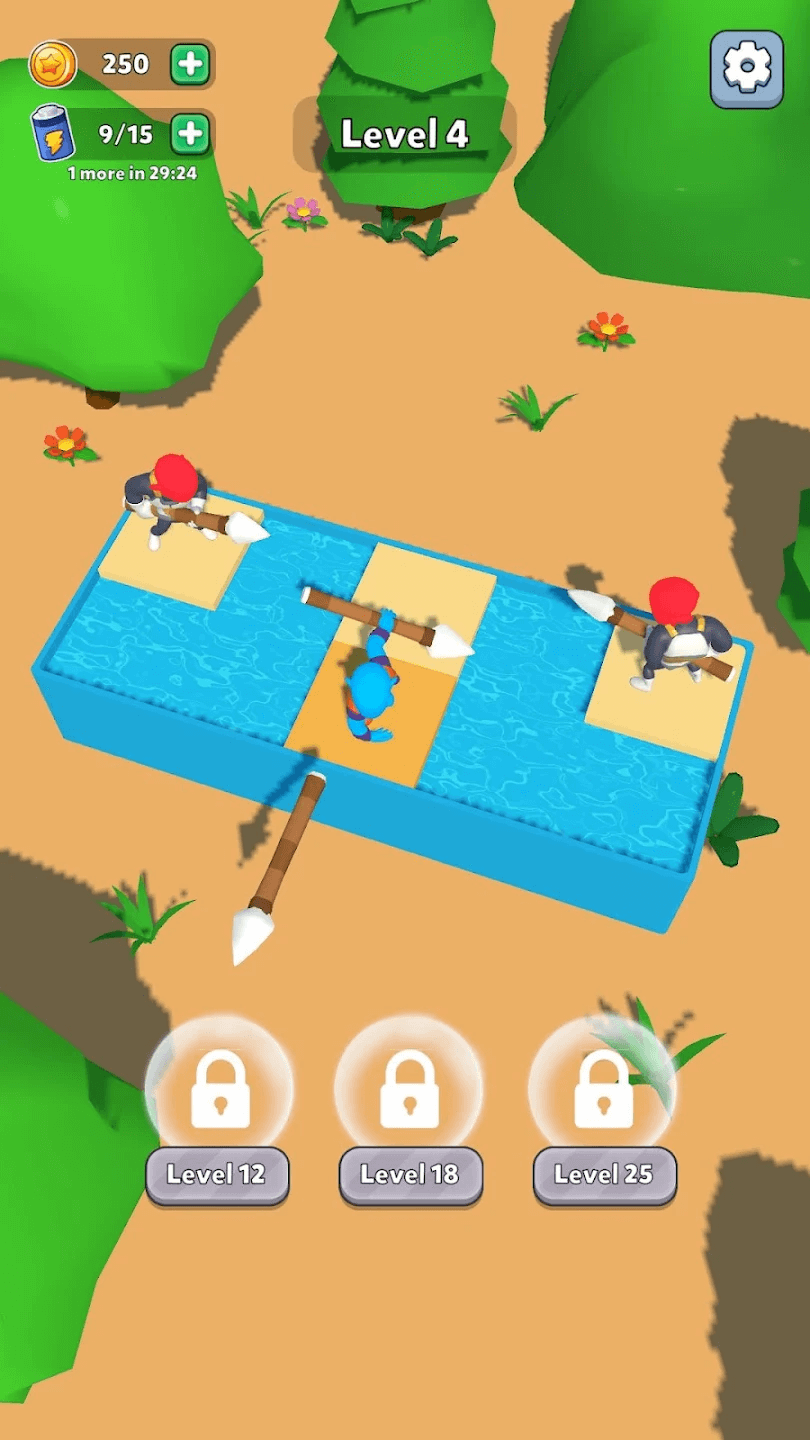
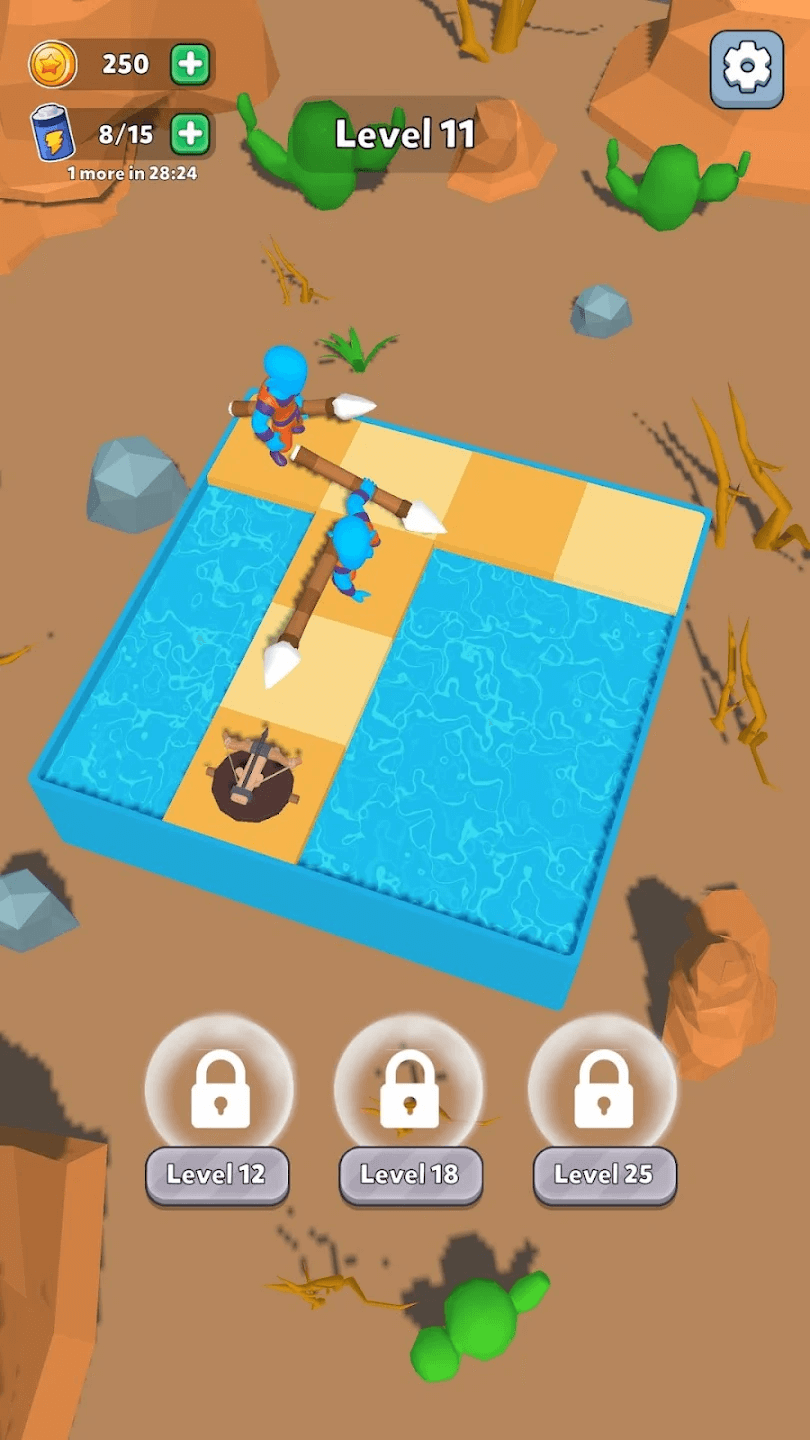
The foundation here is still recognizably chess. Pieces move the way players expect, the board layout stays familiar, and strategic depth remains central to the experience. But the moment two pieces meet, the game shifts into something more dynamic — battle interactions replace simple captures, giving every confrontation a bit more drama and unpredictability than a standard chess exchange.
That single addition changes the emotional tone of the entire game. Instead of a quiet capture, players get a moment of tension and payoff. It's a small mechanical shift with a big impact on how engaging each match feels.
Despite the added combat layer, this remains fundamentally a strategy game. Success depends on:
Players who enjoy mental strategy games will find the core loop familiar, while the battle mechanics give it a more energetic, modern feel that pure chess doesn't offer.
Not every player wants — or has access to — a live opponent, so the template includes an AI system with multiple difficulty tiers. That range matters: a beginner-friendly AI setting helps new players learn the mechanics without feeling punished, while higher difficulty tiers give experienced strategy fans something that actually pushes back.
This kind of tiered AI difficulty is a smart addition to any strategy title, and it's one of the reasons this template can serve both casual and competitive audiences with the same codebase.
Beyond the base battle-chess mechanic, the architecture supports:
If you're the type of developer who likes putting a personal signature on a licensed template, this is where Chess Battle Wars gives you the most creative freedom. None of these systems are locked down — they're designed to be extended.
Board games live or die by how intuitive their controls feel, especially on mobile. This template keeps things simple:
That simplicity is intentional. A strategy game already asks a lot of a player's brain — the interface shouldn't add to that mental load.
Visual presentation leans modern and clean rather than trying to replicate a physical wooden chessboard. Smooth piece animations, clear move indicators, and mobile-optimized rendering all contribute to a presentation that feels current rather than dated — something that matters a great deal when players are comparing app store screenshots before downloading.
From a development standpoint, this project is built with modular, well-organized C# scripts that don't require untangling before you can start customizing. Rules, UI elements, and asset systems are separated cleanly enough that changing one doesn't mean breaking another.
If you're still deciding whether a strategy board game is the right genre to build next, it's worth reading through how to choose the right Unity game genre before committing — genre choice affects everything from your development timeline to your monetization strategy.
The gameplay cycle follows a familiar and effective pattern: plan, move, battle, win or lose, then try again. That loop encourages players to refine their strategy over multiple sessions, test different tactics against AI opponents, and gradually improve — which is exactly the kind of engagement pattern that keeps retention numbers healthy over time.
The template comes ready for standard mobile monetization approaches:
Because matches naturally have clear start and end points, ad placement opportunities fit in without disrupting the player's strategic flow — something that isn't always true for genres with continuous action.
Once the base game is live, there's a lot of room to grow it into something bigger:
None of this is required for launch, but each addition extends the platform's long-term earning potential well beyond a single release.
Two licensing tiers are available depending on your project scope:
Additional add-ons are available for publishing assistance, app store optimization, custom branding, full reskinning services, and extended support beyond the included period — useful if you'd rather hand off parts of the launch process instead of managing everything yourself.
Strategy games aren't the only strong performers in the current catalog. If you want to see what's currently trending, the featured items and newest items sections are good starting points for comparing what's gaining traction right now.
For a completely different pace, Mine Forever – Idle Mining Adventure offers a slow-burn progression loop rather than head-to-head competition. Sports-style casual titles are also well represented, with Mini Bowling 3D and Mini Golf Battle 3D offering lighter, more relaxed alternatives to strategic gameplay.
If simulation and creativity-driven genres interest you more, Miss Robin's Home Design takes a completely different design direction, while Missile Dude RPG – Idle Hero blends idle mechanics with RPG progression for players who prefer passive, long-session engagement.
Reading through why ready-made Unity source code makes sense in 2026 is also worth your time if you're still weighing the pros and cons of licensed templates versus building entirely from scratch.
Chess Battle Wars doesn't try to replace chess — it reinterprets it for an audience that wants a bit more energy in its strategy games. The combination of familiar mechanics, added combat elements, tiered AI difficulty, and a clean, extendable codebase makes this a strong foundation for developers who want something recognizable but far from generic. If your goal is a strategy title that's easy to customize and genuinely stands out from typical board game clones, this template gives you a solid head start.
1. Is this a direct chess clone or something different?
It's built on core chess mechanics but adds battle interactions and combat elements, making it a hybrid strategy game rather than a traditional chess replica.
2. What Unity version does this project require?
The current version is built on Unity 2021.2.7f1.
3. Does the game include AI opponents?
Yes, with multiple difficulty levels suited to both beginners and experienced strategy players.
4. Can I add my own rule variations or special abilities?
Yes, the architecture is designed to support custom rules, unique piece interactions, and additional gameplay modes.
5. What's included in the Regular vs Extended License?
The Regular License ($56) includes 3 months of support and future updates. The Extended License ($105) includes 6 months of support along with the same update and quality assurance benefits.
6. Is multiplayer included by default?
Multiplayer isn't included out of the box, but the codebase is structured to support adding online PvP or matchmaking later.
7. What monetization methods work with this template?
AdMob integration, rewarded ads, interstitials, and in-app purchases are all supported and easy to configure.
8. Can I get help with publishing or reskinning the game?
Yes, add-on services are available for publishing, app store optimization, custom branding, and full reskin work if you'd prefer additional support beyond the base package.
You need to login to comment!
Total Sold:
0
Total Comments: