
If you are looking for a mobile game idea that combines mass-market appeal, social stickiness, and consistent long-term revenue, Ludo is one of the smartest choices you can make as a Unity developer in 2026.
Ludo is not just a board game — it is a cultural institution across South Asia, the Middle East, Africa, and increasingly across the rest of the world. Hundreds of millions of people already know how to play it. They do not need to be taught the rules. They do not need to be convinced the game is fun. They already love it. Your job as a developer is simply to put a great digital version in front of them.
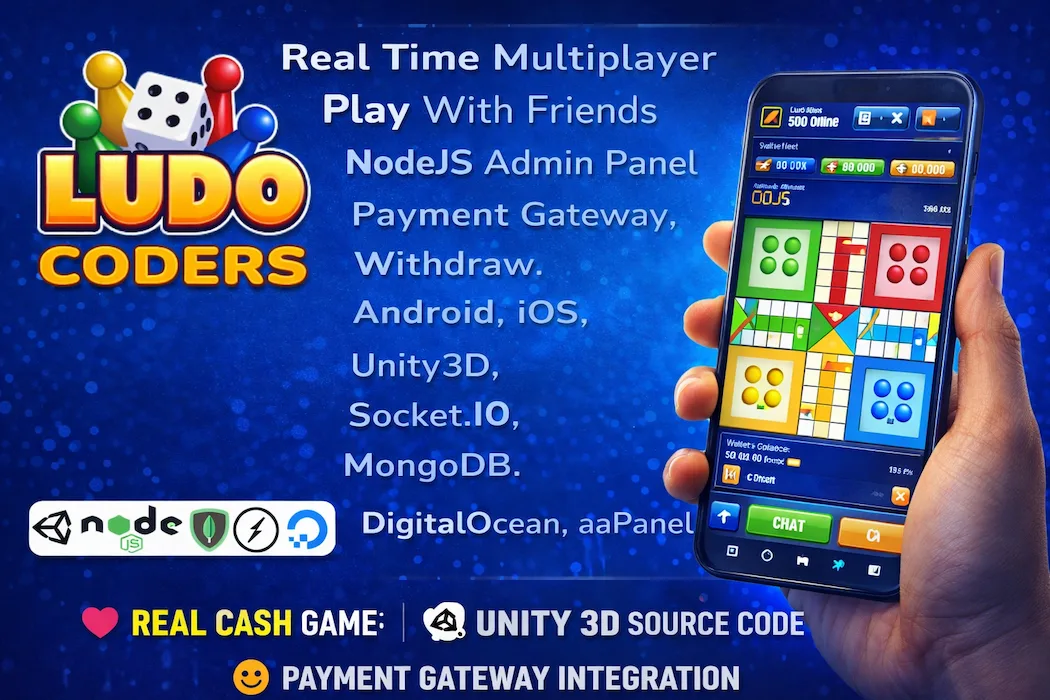
The Ludo Online Multiplayer Game — Unity 3D Source Code available at Unity Source Code gives you everything you need to launch a fully functional, professionally built Ludo game on Android and iOS — with real-time online multiplayer, AI opponents, AdMob monetization, and a complete customization framework — without spending six months building it from scratch.
This guide covers every aspect of this Unity Ludo game template in detail: what it includes, how the multiplayer system works, how each feature drives retention and revenue, who it is built for, and exactly why this is one of the highest-value game templates a mobile developer can invest in right now.
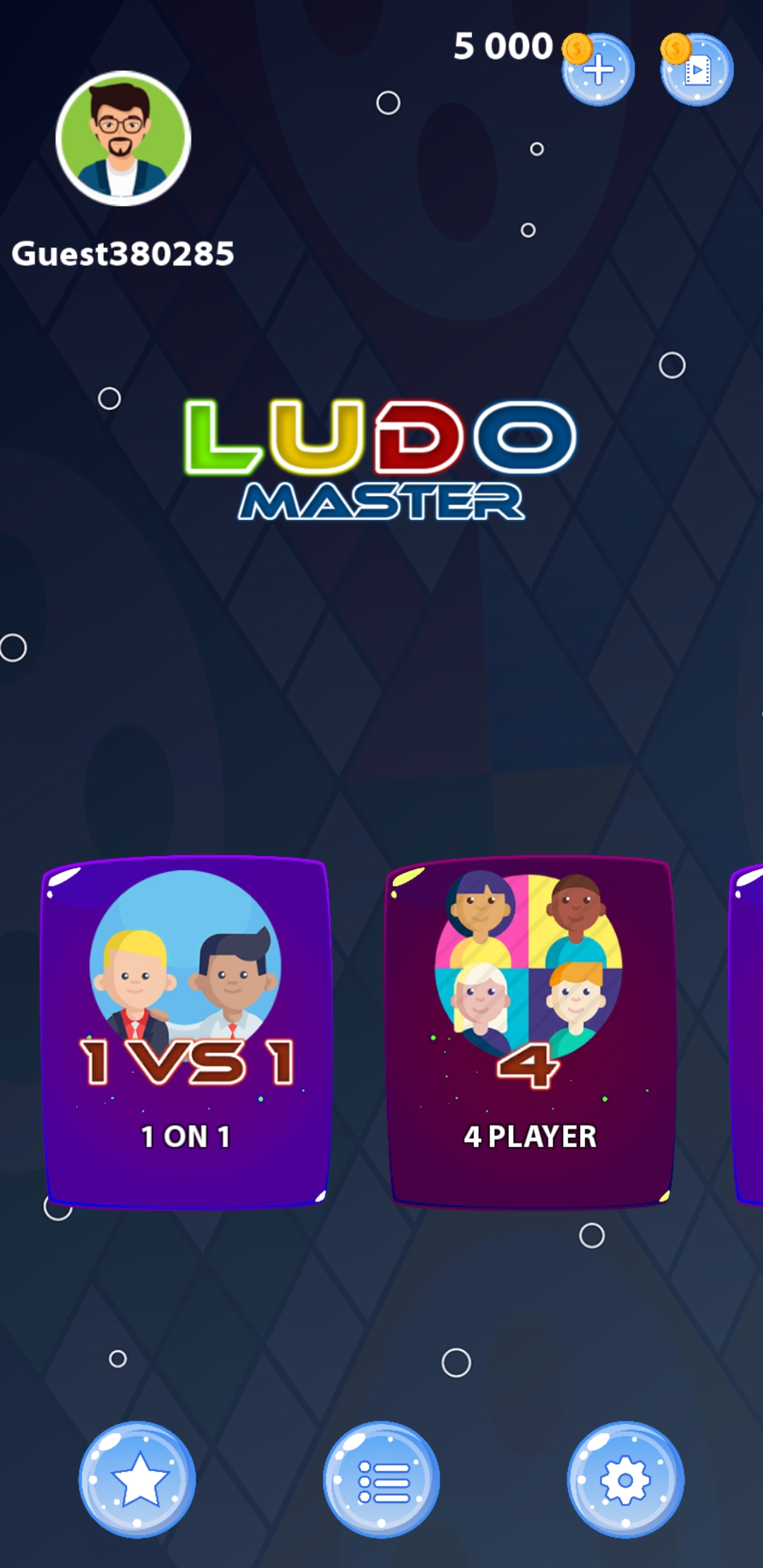
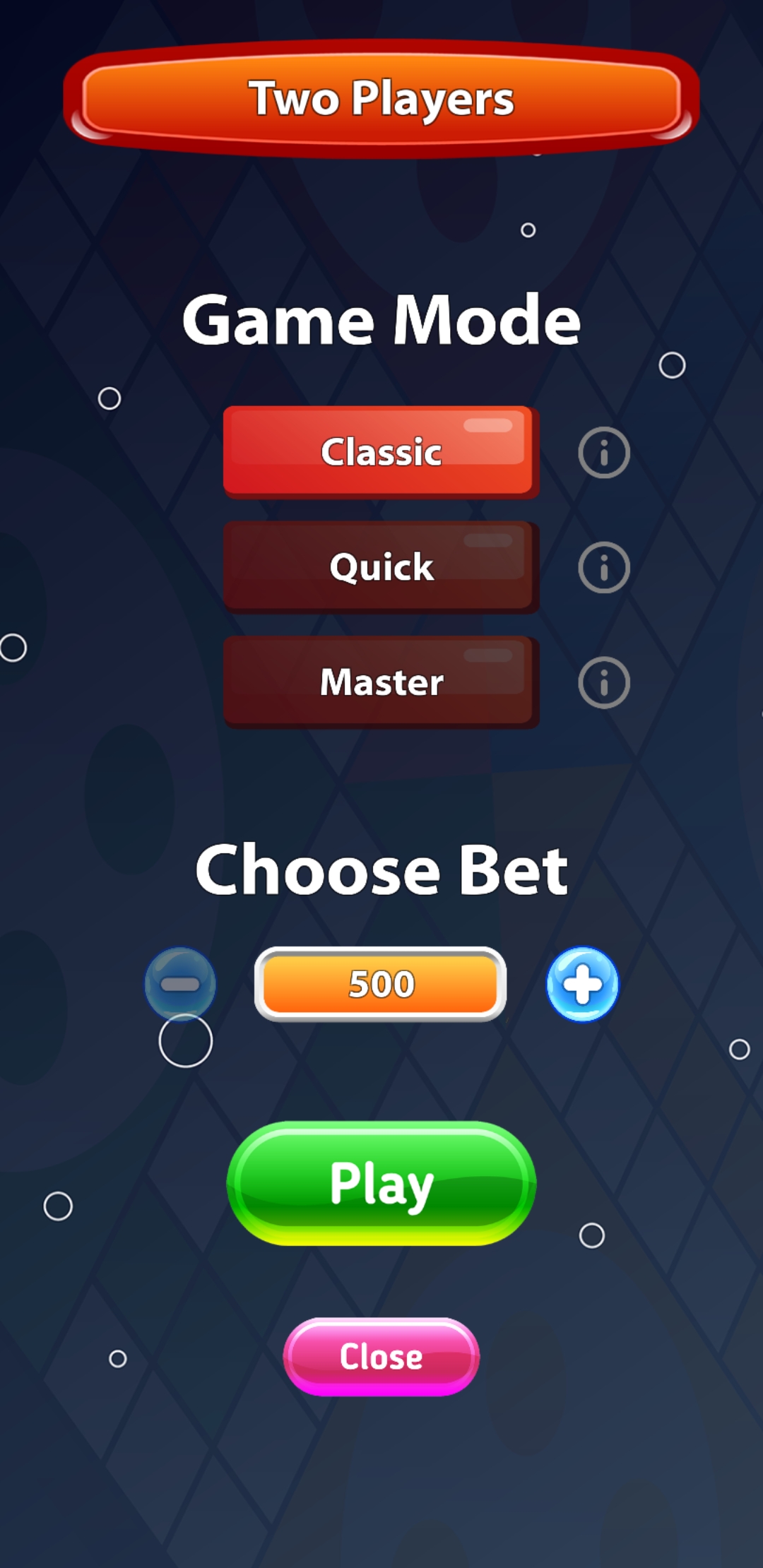
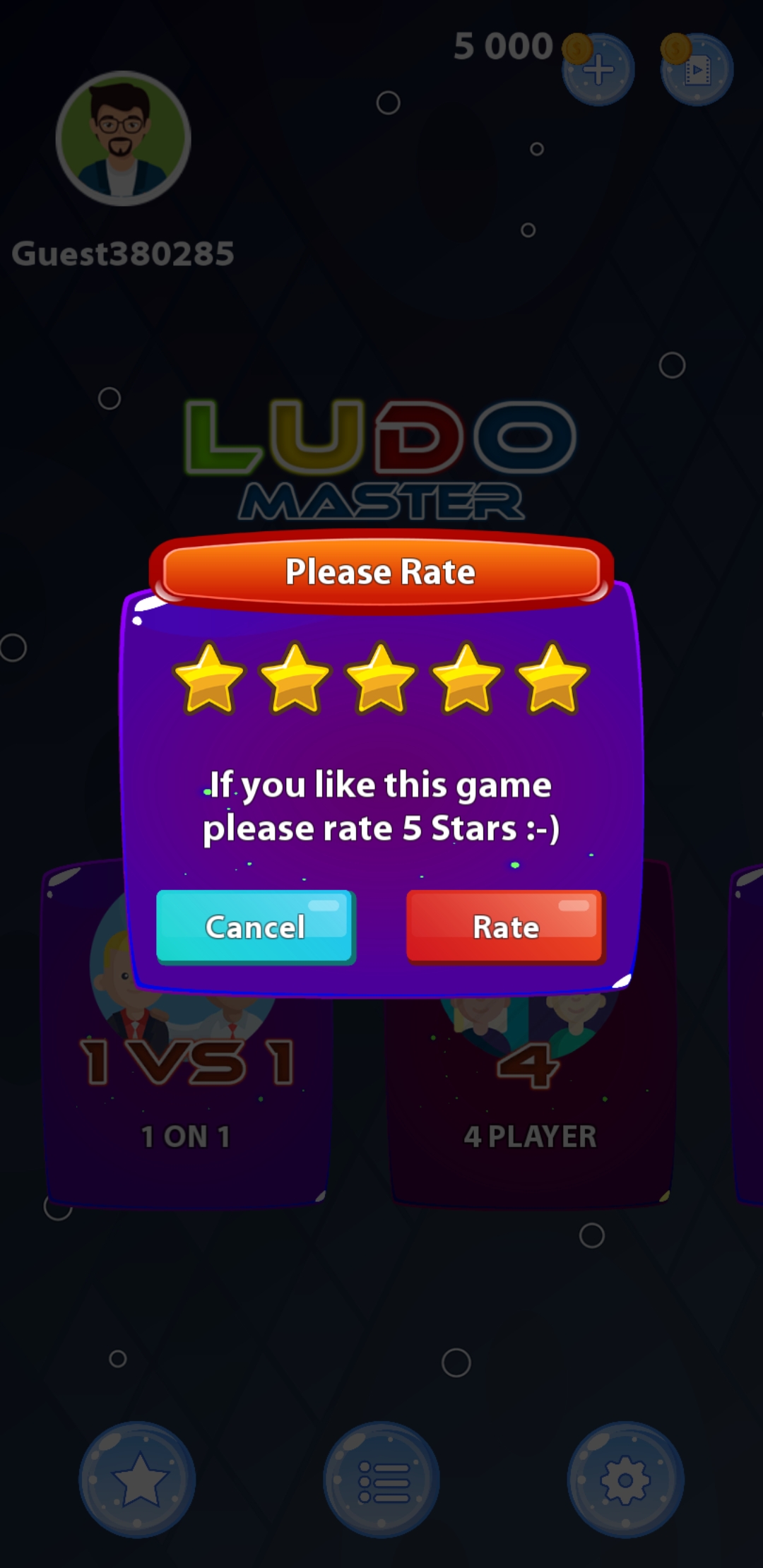
The Ludo Online Multiplayer Unity 3D Source Code is a complete, ready-to-publish Unity game project that recreates the classic Ludo board game experience with full online multiplayer capability, AI opponent support, local multiplayer, AdMob integration, and a modern UI system — all in a clean, well-organized codebase built on Unity 3D.
This is not a prototype or a learning exercise. It is a production-ready mobile game template that includes everything required to submit to Google Play and the Apple App Store. The project has been updated as recently as May 2026, ensuring compatibility with modern Android versions (Android 9.0 through Android 12.0) and current Unity LTS releases.
Whether you are a solo developer launching your first mobile game, a startup building a social gaming platform, or a freelancer delivering a client project on deadline — this template compresses months of multiplayer game development into weeks of customization and testing.
Quick Specs:
Understanding what a template includes is one thing. Understanding why each feature matters for player retention and revenue is what separates a developer who launches successfully from one who does not. Here is a full breakdown of every major feature in this Ludo Unity source code and exactly why it matters.
The centerpiece of this template is its real-time online multiplayer system. Players can create private rooms and invite friends to join using a room code, or enter public matchmaking to be paired with other players automatically.
This is the feature that makes a Ludo game commercially viable in 2026. Offline or single-player Ludo games have limited retention — players finish a game against AI, feel satisfied, and put the phone down. An online multiplayer system changes everything. Players return to play against specific friends or to rematch after a loss. They come back when a friend challenges them. They stay in the app longer per session because they are waiting for opponents to take their turn.
More sessions per day means more ad impressions per user. More ad impressions means more AdMob revenue. The multiplayer system is not just a feature — it is the engine that drives the entire monetization model.
The network synchronization in this template is optimized for low-latency real-time gameplay, ensuring smooth token movement and dice rolls across players with different connection speeds. This is technically one of the hardest problems in mobile game development to solve from scratch, and having it pre-built in a tested template is one of the strongest reasons to choose this source code.
Not every player has a reliable internet connection at all times. The offline mode with AI opponents ensures your game is always playable — on the subway, on a flight, in a low-signal area — without requiring a network connection.
The AI opponent system gives solo players a genuine challenge, making decisions about when to move tokens out, when to prioritize capturing opponents, and when to race toward the home zone. This keeps the game engaging even without other human players and gives new users a way to practice before jumping into competitive online matches.
Offline mode is also critical for user acquisition. Many new installs happen in contexts where the user cannot immediately access online play — they tap the app, start an offline game, enjoy it, and are converted to a returning online player. Without offline mode, you lose those users at the first session.
The local multiplayer mode allows two to four players to share a single device and take turns playing. This might seem like a minor feature compared to online play, but in many markets — particularly South Asia and Africa where Ludo is deeply embedded in family culture — local multiplayer is how the game is played most naturally.
Family gatherings, friend meetups, and travel scenarios all create demand for local pass-and-play. Users who play locally with others are also more likely to recommend the app to those same people, creating organic word-of-mouth growth that paid acquisition cannot replicate.
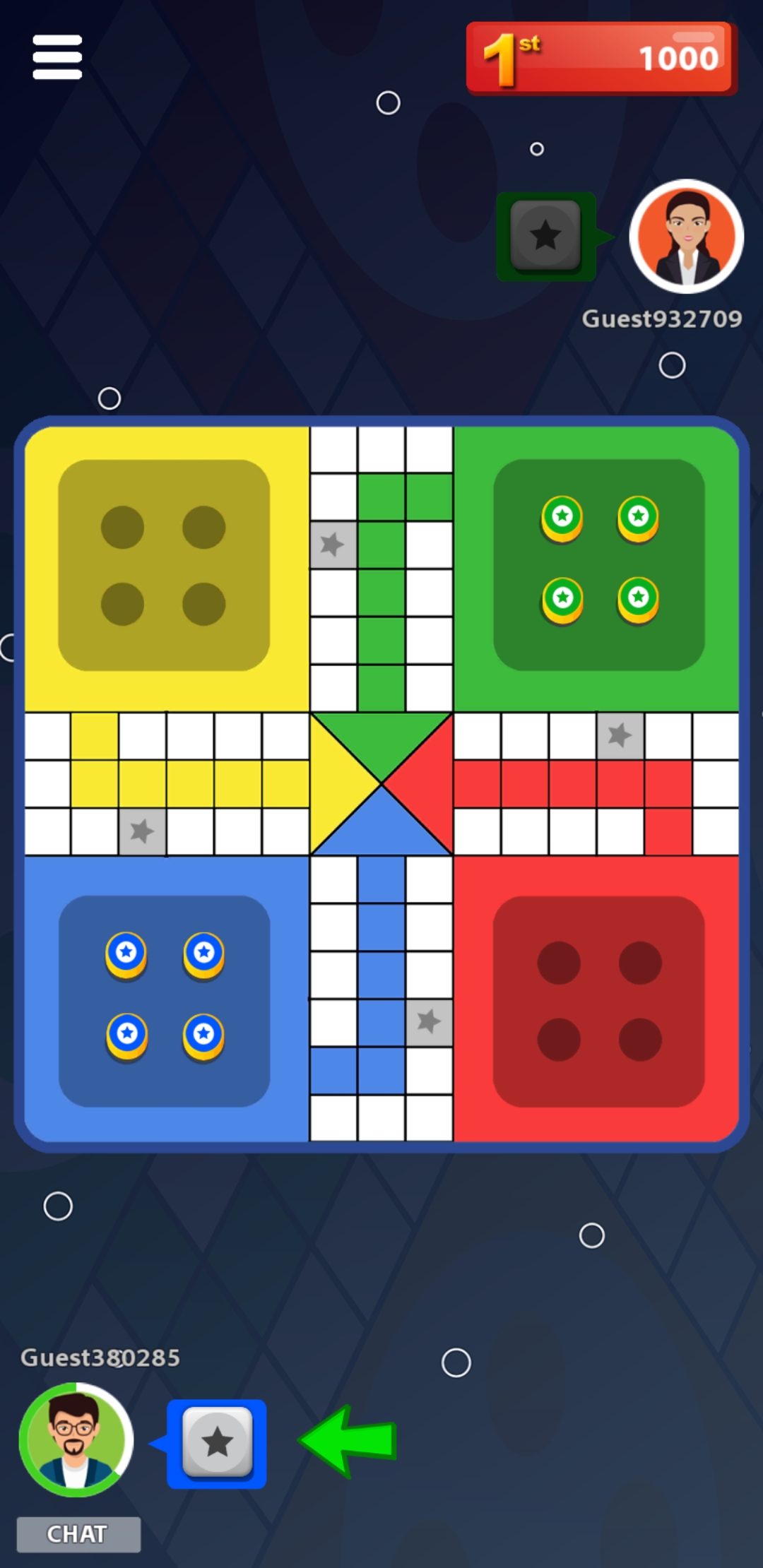
The visual quality of dice rolls and token movement in a Ludo game is not cosmetic — it is functional. The moment of rolling the dice is the highest-tension point in any Ludo match. A slow, clean animation that clearly communicates the result, followed by smooth token movement that shows exactly what happened and why, is what makes the game feel fair and satisfying rather than arbitrary and frustrating.
This template includes professionally animated dice roll sequences, smooth token sliding animations along the board path, capture animations when one token lands on another, and home-zone entry celebrations. These micro-animations collectively create the feeling of playing a premium, polished game rather than a cheap clone.
The board theme and visual customization system allows players to unlock different board designs, token styles, and color schemes as they play. This serves two commercial purposes simultaneously.
First, it gives players a progression goal beyond winning matches — they are also building toward unlocking a board design they prefer, which keeps them engaged across sessions even during losing streaks. Second, premium board themes and token designs are natural in-app purchase targets. Players who are emotionally invested in the game are willing to spend small amounts to personalize their experience, and cosmetic purchases are among the lowest-friction IAP categories because they carry no pay-to-win stigma.
The player profile system tracks each user's win-loss record, total games played, favorite token color, and recent match history. This data serves the player psychologically — people enjoy seeing their performance improve over time — and it serves your retention strategy technically.
Players with invested profiles are significantly less likely to uninstall an app than anonymous players. The moment a user creates a profile and starts accumulating match history, they have a personal stake in the app that a blank new install does not have. Profile systems are one of the lowest-cost, highest-impact retention mechanisms in mobile gaming.
The leaderboard and achievement system introduces competitive social pressure that is among the most powerful engagement mechanics in mobile gaming. When a player can see that a friend or rival is ranked above them on the global leaderboard, they play more games. When they are two achievements away from unlocking a badge, they complete the games required to earn it.
Achievements also function as a natural tutorial system — early achievements guide new players toward features they might not have discovered on their own (like private rooms, daily rewards, and profile customization), increasing feature adoption and session depth.
The daily rewards system gives players a reason to open the app every day, even on days when they might not otherwise think to play. Login bonuses, daily spin rewards, and streak-based incentives create habitual return patterns that compound over time.
In AdMob monetization, daily active users (DAU) is the single most important metric after retention rate. Every player who opens the app to collect their daily reward represents a potential ad impression — even if they do not play a full match. Daily reward systems often generate 15–25% of a game's total ad impressions from users who opened the app for under 60 seconds.
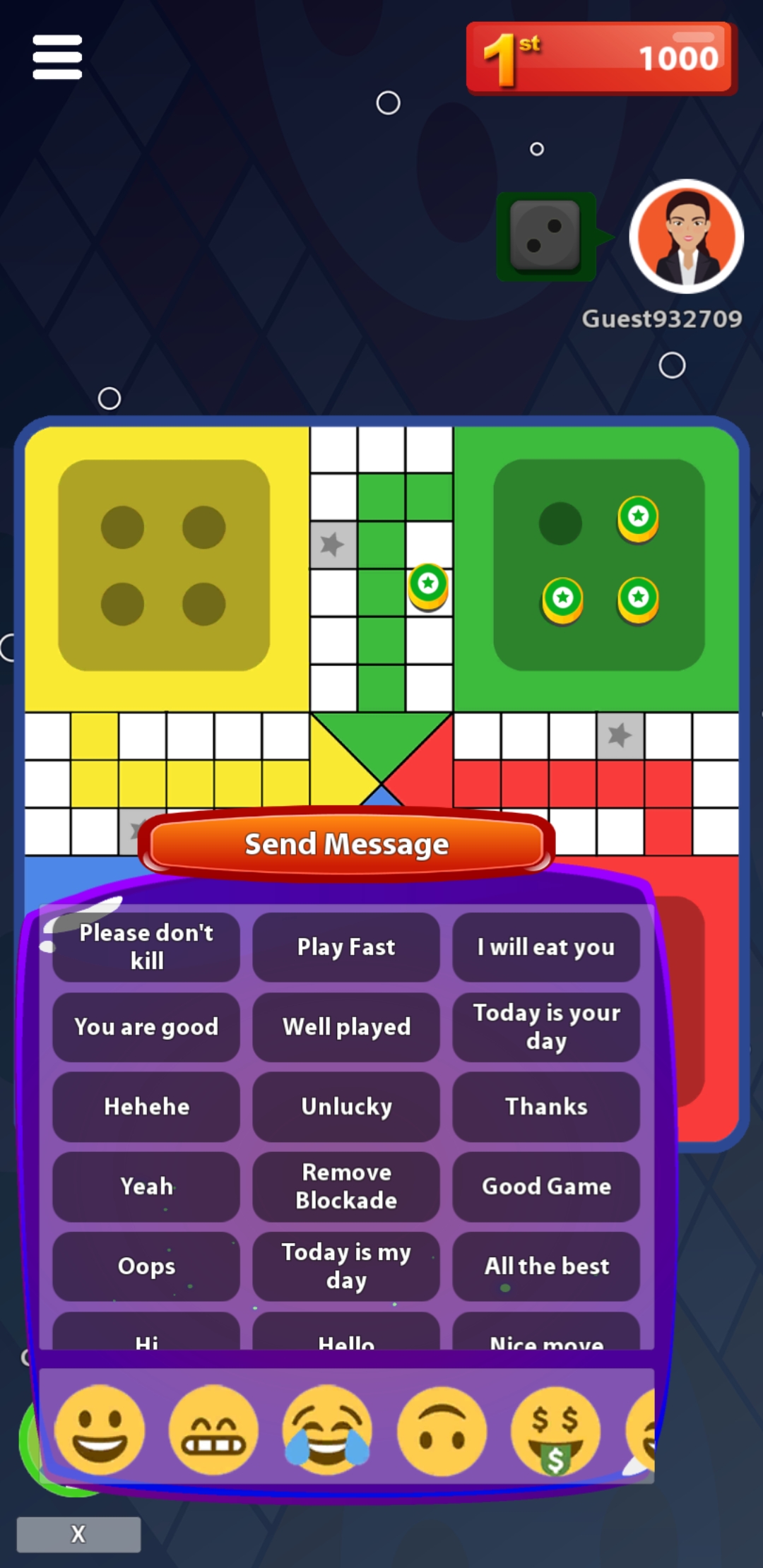
The in-game chat feature available during online matches adds a social layer that transforms the app from a game into a social experience. Players who can communicate with opponents during a match are more likely to form ongoing rivalries, rematch, and recommend the app to friends.
This feature is particularly impactful in markets where Ludo is played as a social activity among friend groups. Chat turns an individual gaming session into a shared experience, and shared experiences drive word-of-mouth growth.
The Ludo Online Multiplayer Unity source code is built with a comprehensive monetization architecture that covers multiple revenue streams:
Rewarded Video Ads are placed at high-motivation moments — offering extra dice rolls, continuing after a bad round, or unlocking a bonus theme. These are voluntary, so completion rates are high and eCPMs in tier-1 markets can reach $8–$15 per thousand impressions.
Interstitial Ads appear between completed matches, during the lobby screen while waiting for matchmaking, and on the return to the main menu. Natural pause points between matches are among the best-performing placements for interstitials in any mobile game category.
In-App Purchases cover coin packs for virtual currency, premium board and token themes, and VIP access to exclusive game modes. Board game players are among the most willing IAP spenders in mobile gaming — they have a personal relationship with the game that casual players in other genres do not.
This multi-stream monetization approach means the game earns from players at every level of engagement — casual players who never spend money still contribute ad revenue, while invested players contribute both ad impressions and IAP purchases.
The Ludo Unity source code includes a 3D board design with high-quality renders, smooth surface materials, and clean visual hierarchy that makes the game state immediately readable at a glance. Knowing which tokens are in play, which are home, and which are vulnerable should be instant — and the UI achieves this without cluttering the screen.
Audio design includes contextually appropriate sound effects for dice rolls, token movement, token captures, and match completion. Background music loops cleanly and can be toggled off without affecting gameplay. Sound design in a Ludo game is deeply tied to the emotional experience — the satisfying click of a successful dice roll and the tense silence as a critical token approaches its destination are both driven by audio.
This project is designed from the ground up for rapid customization. All major visual elements — board colors, token designs, UI panels, fonts, and icons — are organized in clearly labeled folders with a logical asset hierarchy.
You do not need advanced Unity experience to customize this template. Changing the board theme, replacing the app icon, updating the color palette, adding your studio branding to the main menu, and setting up your own AdMob IDs can all be done within a few days. This makes the template accessible to beginners while still being powerful enough for experienced developers to build upon.
The project includes comprehensive documentation covering the folder structure, scene organization, script architecture, and step-by-step instructions for replacing assets and publishing to both Google Play and the App Store.
Solo Indie Developers who want to launch a high-quality multiplayer game without spending months building networking infrastructure from scratch. The multiplayer system alone would take an experienced developer 6–8 weeks to build and test reliably.
Startups and Gaming Studios looking to enter the South Asian, Middle Eastern, or African mobile gaming market quickly with a culturally resonant product that already has a proven audience.
Freelance Developers who need to deliver a complete, polished Ludo game to a client on a timeline that does not allow for building multiplayer from scratch.
Entrepreneurs building a passive income game portfolio who want a high-retention, well-monetized title that earns consistently without requiring ongoing content updates.
Unity Students and Learners who want to study how a real multiplayer game is architected — from networking and game state synchronization to UI management and AdMob placement.
Our Best Unity Games:
Before you launch your Ludo game or any mobile Unity game, these two resources from the Unity Source Code blog will directly improve your earnings:
Understanding which game genres generate the most AdMob revenue in 2026 — and why multiplayer board games specifically perform so well — is covered in detail in the guide on how to choose the right Unity game genre to maximize your revenue. This post gives you the strategic context to understand exactly why Ludo is one of the strongest category choices available.
Getting your AdMob integration right — including rewarded ad placement, interstitial frequency capping, and the monetization patterns that consistently earn the most per install — is broken down step by step in how to make money with Unity games using AdMob. Every developer who wants to turn their Ludo game into a consistent income source should read this before writing a single line of AdMob code.
What Unity version does this project require? The project was originally built on Unity 2019.2.5f1 and has been updated through May 2026. It is compatible with Unity 2019 and later LTS versions. Always use the Unity Hub to install the recommended version for best compatibility.
Does this template include real-cash or payment gateway integration? The template is designed around AdMob and in-app purchase monetization. For real-cash competitive play (a different legal category), custom payment gateway integration would be required as an additional development step.
How difficult is it to customize the board and token designs? Straightforward. All visual assets are clearly organized and labeled. Replacing board themes, token designs, and UI elements requires no advanced Unity knowledge — basic familiarity with the Unity editor is sufficient.
Can I publish this on both Google Play and the App Store? Yes. The project supports both Android and iOS builds. iOS builds require a Mac with Xcode installed, a paid Apple Developer account, and the standard Unity iOS build process.
Is the multiplayer system real-time or turn-based? The multiplayer system is real-time synchronized — all players see dice rolls and token movements happen live, simultaneously. Turns are sequential (each player rolls and moves in order) but the board state is synchronized in real time across all connected devices.
What support is included with the purchase? The Regular License includes 3 months of support. The Extended License includes 6 months of support. Technical assistance is available through the Unity Source Code team.
Ludo is one of the most-played board games on earth, and its mobile digital format continues to grow in markets that represent the fastest-expanding smartphone audiences in the world. The combination of instant cultural recognition, social multiplayer dynamics, daily return habits, and strong monetization potential makes Ludo one of the most strategically sound mobile games a developer can build in 2026.
The Ludo Online Multiplayer Game Unity 3D Source Code gives you a professional, tested, fully featured foundation — built in Unity, compatible with Android and iOS, monetized with AdMob, and designed for rapid customization and launch.
Explore the full template and all available Unity game source codes at Unity Source Code — premium game templates built for developers who want to launch faster, earn sooner, and build smarter.
You need to login to comment!
Total Sold:
0
Total Comments: