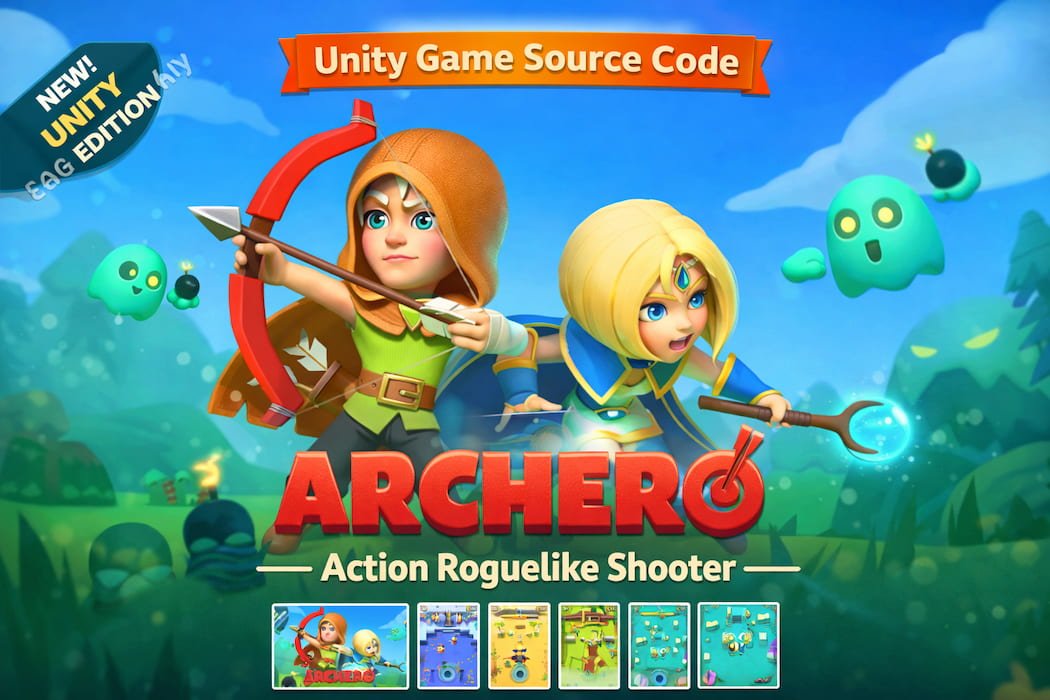

Talk to any indie developer who has tried to build an action RPG from scratch in Unity and you will hear the same story. Week one goes well — you have a character that moves, maybe a basic attack. By week three you are still debugging the projectile pooling system. By week six you are deep inside enemy pathfinding. Three months later, you have half a game and zero runway left.
The Archero-style game format — auto-shoot combat with movement-based dodging and roguelite ability selection — is one of the most proven action mechanics in mobile gaming. Habby's original Archero crossed 50 million downloads. The format works. But recreating it from a blank Unity project is an enormous engineering task that has nothing to do with why most developers got into game making.
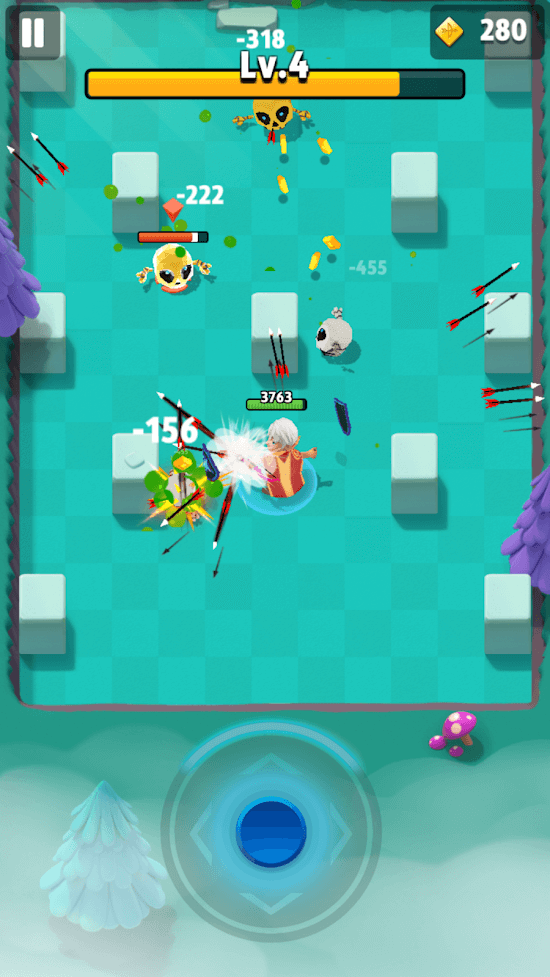
This source code package cuts that problem off at the root. You get a complete, working action game — movement, combat, enemy AI, wave spawning, upgrade selection, boss encounters, level progression, AdMob ads, IAP scaffolding, all of it — ready to open in Unity 2022.3.30f1 and run on day one.
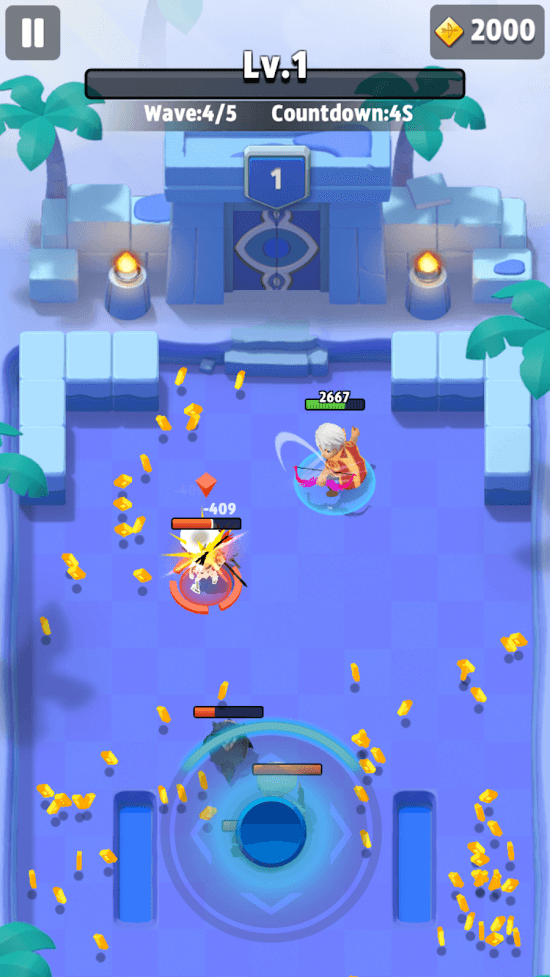
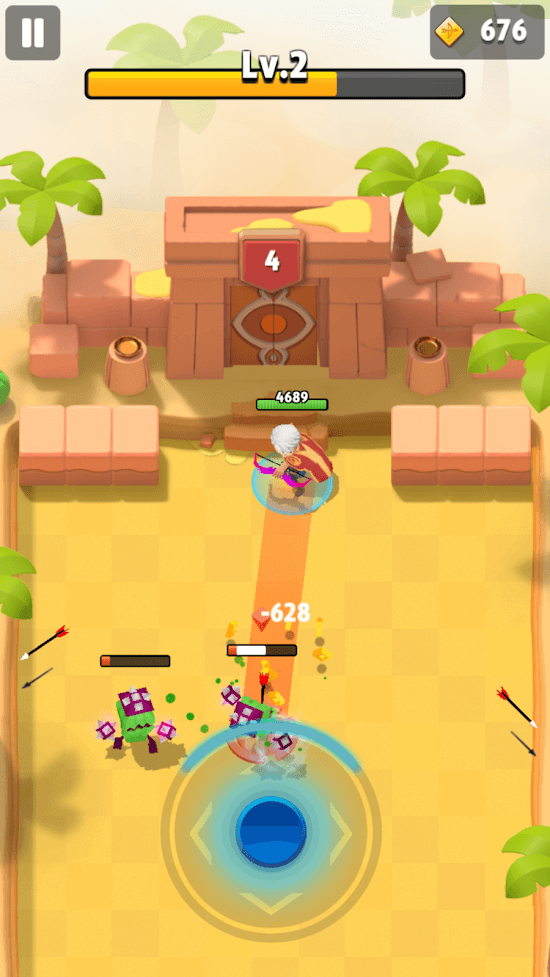
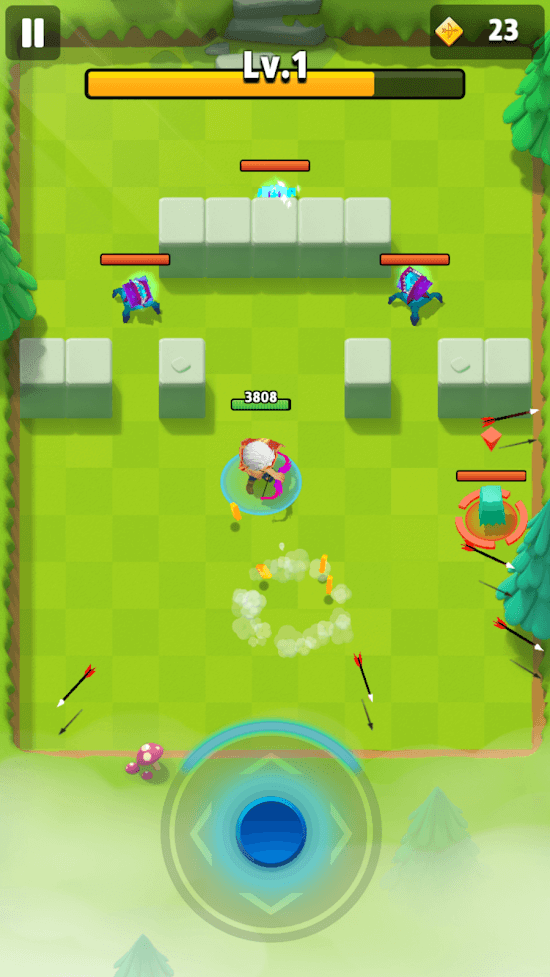
What separates Archero-style games from ordinary action titles is the one rule that makes everything else interesting: your hero only shoots when you stop moving. That single design decision transforms every combat encounter into a micro-strategy puzzle.
Do you stand still to keep firing and risk taking a hit? Or do you move out of danger and lose your attack window? Players face that choice dozens of times per stage, which is exactly what produces the high session frequency and strong day-30 retention this genre is known for.
The source code implements this mechanic cleanly. The auto-shoot system activates and deactivates based on touch input state, with projectile direction handled automatically toward the nearest valid target within range. The movement system uses smooth delta-based drag controls designed for one-thumb mobile play. Getting this feel right from scratch typically takes weeks of iteration — here it is tuned and ready.
Between combat waves, players choose from a randomized set of ability upgrades. Attack speed, projectile count, piercing shots, area-of-effect skills, defensive buffs — the combinations players discover across multiple runs create the "one more try" pull that drives long-term retention.
The upgrade system in this template is fully modular. Each skill is a self-contained scriptable object with defined base values and scaling logic. Adding a new ability means creating a new scriptable object and registering it in the ability pool — no core system changes required. That architecture makes content expansion after launch practical rather than painful.
The template ships with a stage-based progression structure: multiple levels, escalating enemy density and pattern complexity, and boss encounters that challenge the upgrade builds players have assembled. Enemy types include standard melee rushers, ranged attackers, and patrol units with defined attack windows — the variety that makes the combat stay interesting across many sessions.
Consider what a developer working alone or in a small team faces when choosing between building this from scratch versus starting from this template.
Building from scratch: the auto-shoot targeting system alone requires raycasting, priority sorting, fire-rate timing, and projectile pooling. Done properly, that is roughly a week of focused work. Enemy pathfinding using Unity's NavMesh for a top-down game requires scene baking, agent tuning, and obstacle configuration — another three to five days. The wave spawning system, the upgrade UI, the skill application framework, the scene transition and save system, the AdMob SDK integration — each of these is a distinct multi-day project.
A realistic solo developer timeline to build this same game from scratch, with production quality comparable to the template: 10 to 14 weeks if everything goes smoothly, which it rarely does.
Starting from this template: open the project, run the APK on your test device to confirm everything works, then begin reskinning and expanding. Most developers reach a publishable build in two to four weeks. The difference is not a minor efficiency gain — it is the difference between launching in one quarter versus four.
Every purchase includes the complete Unity project folder, not a stripped-down preview. Here is what that means in practice:
All C# scripts — the auto-shoot controller, movement handler, enemy AI state machines, wave manager, upgrade system, ability scriptable objects, boss encounter logic, UI controllers, save system, and AdMob ad manager. Scripts are named consistently, commented for clarity, and organized in folders by system rather than dumped into a single directory.
All scenes — main menu, gameplay level scenes, upgrade selection screen, game-over screen, and settings. Each scene is properly configured with lighting and camera settings optimized for mobile.
All assets — character sprites, enemy sprites, projectile effects, particle systems, UI icons, background tiles, and sound effects. Structured for straightforward replacement if you are reskinning the visual identity.
Compiled Android APK — test on a real device before you change anything. Confirming the gameplay feel on hardware before customization is a step that saves developers from discovering performance issues mid-reskin.
Documentation — project structure guide, AdMob publisher ID replacement instructions, IAP product configuration steps, and Android/iOS build setup.
GUI Kit — additional UI components included at no extra cost.
Monetization in action games follows a different logic than casual games, and the template reflects that.
Rewarded video ads are placed at the revival checkpoint — when a player dies and has the option to watch an ad to continue from the current stage rather than restarting. This placement produces the highest completion rates of any ad format in action games because the player is actively motivated to watch. A developer who places rewarded ads only at the main menu misses 80% of the monetization potential this mechanic offers.
Interstitial ads trigger between levels — not between waves within a level. Interrupting active gameplay with an interstitial is one of the most common causes of poor reviews and high uninstall rates in action games. The template positions interstitials at scene transitions where the player is already in a waiting state.
In-app purchases cover the categories that action game players actually spend on: coin packs for upgrading base stats, premium hero unlocks, and ability starter packs. The IAP framework is pre-built and connects to both Google Play Billing and Apple StoreKit. Activating it for live sales requires configuring your product IDs in the platform consoles — the code is already in place.
This monetization structure reflects how successful action titles actually earn. The eCPMs available in the action and arcade categories on AdMob ($6–$14 in tier-one markets for rewarded placements) reward developers who position their ad units correctly.
The initial publish is the beginning, not the end. Here is how developers typically extend this template post-launch based on common patterns in the genre:
New hero characters — adding a new playable hero requires a new character prefab, a stat scriptable object defining that hero's base values, and registering it in the hero selection system. The architecture supports hero variety without requiring changes to combat code.
New enemy types — each enemy is defined by a scriptable object specifying movement behavior, attack pattern, health, and drop values. Building a new enemy type is additive, not structural.
World and environment variety — the level design system supports multiple scene templates. Adding a new world means a new scene with different background assets and a modified enemy pool for that stage range.
Daily challenges and events — the stage selection system can be extended to support time-limited challenge stages without modifying the core level architecture.
Leaderboards and social — Google Play Games Services and Game Center integration can be added using Unity's standard social API layer, connecting to the existing score tracking logic.
For developers who want to handle this expansion work without writing the systems themselves, the customization service covers feature additions beyond the base project scope.
Indie developers who want to enter the action game market without a six-month pre-launch runway. This template gives you a commercially viable game foundation on day one.
Freelancers delivering action game projects to clients. Starting from a proven, tested codebase rather than building from scratch means lower risk of cost overruns and a faster delivery timeline.
Studios diversifying their game portfolio. If you already have a casual title earning ad revenue, adding an action game targets a different player session profile — longer sessions, higher skill ceiling, different demographic — which expands your total addressable audience.
Beginners who learn by reading real, production-quality code. The scripts in this project reflect how professional mobile games are actually structured. Studying the auto-shoot system, the wave manager, or the upgrade framework teaches patterns that carry into any future project.
If you are newer to Unity and want to understand what makes a strong learning project, this guide is worth reading first: Best Unity Source Code Projects for Beginners in 2026
| Specification | Detail |
|---|---|
| Unity Version | 2022.3.30f1 LTS (and later LTS releases) |
| Primary Platform | Android (APK included) |
| iOS Support | Yes — requires macOS and Xcode |
| Android OS Coverage | Android 9.0, 10.0, 11.0, 12.0, 15.0 |
| Monetization | AdMob (rewarded, interstitial, banner) + IAP framework |
| Architecture | 64-bit, optimized C# — no deprecated APIs |
| Package Contents | Unity project, APK, PNG assets, documentation, GUI kit |
| Regular License | $49 — single app, free-to-play |
| Extended License | $499 — paid apps, client delivery |
| Support Period | 3 months (standard) / 6 months (with add-on) |
| Last Updated | 03 June 2026 |
Some developers find this question helpful: should I buy this template, or build the game myself from scratch?
If you are primarily learning Unity and want to understand every system from the ground up, building from scratch has genuine educational value — especially for core mechanics like physics and input. But if your goal is to ship a game, earn from it, and move to the next project, building every system from scratch is a poor use of your time when a complete, tested version exists at $49.
The answer from real developers who have done both is consistent: use the template to launch the first version, then use the revenue and the knowledge you gain from reading the code to build something more custom next time. That path produces results; spending four months on a blank project often produces frustration.
For a rigorous breakdown of this exact comparison, this blog covers it in full: Unity Source Code vs Building a Game From Scratch: Which Is Better?
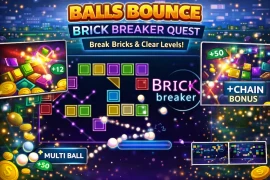
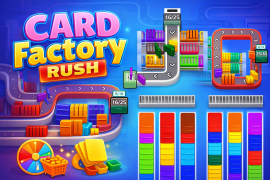
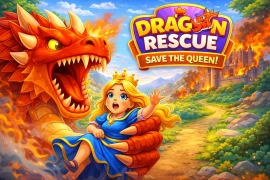
If the Archero-style format interests you, these related templates from the full product catalogue offer strong adjacent options — each targets a different mechanic within the action and arcade space, making them natural portfolio companions:
A physics-driven action game where players ride a dragon through destructible terrain, smashing enemies and buildings across escalating stages. Strong visual impact, high replay value, and an arcade audience that overlaps significantly with Archero players. Excellent second title if you are building an action-focused portfolio.
A character-driven endless runner with obstacle patterns, collectibles, and a progression system. The runner format complements an action game catalogue well — different session length profile, broader audience age range, and a genre proven to monetize through rewarded ads effectively.
A trampoline-physics brawler combining idle mechanics with arena combat. The idle layer means players return regularly for passive progress even during low-engagement periods — a retention mechanic that works alongside more skill-intensive titles in a portfolio.
For developers considering a multiplayer title alongside single-player action games, this complete Ludo implementation with real-time online play and payment gateway integration offers a route into the board game and social gaming market — a very different player demographic and monetization model that diversifies revenue risk.
Browse the complete Unity games collection or check the trending items to see what is performing best right now.
Technical support is available for three months from the purchase date, covering project setup in Unity, AdMob publisher ID configuration, APK build errors, and questions about the original codebase. The extended support add-on extends this to six months.
Reach the team for urgent questions via the Microsoft Teams workspace: Unity Source Code Support
For feature additions, custom mechanic development, or full reskinning services, see the reskinning page and customization service.
The Archero-style format has a decade of market validation behind it. The player behavior it produces — short daily sessions, strong skill progression, high return rates — is one of the best combinations available in mobile gaming for sustained ad revenue.
At $49 for the Regular License (down from $199), this is among the most cost-efficient ways to enter the action game market with a production-quality foundation.
You need to login to comment!
Total Sold:
0
Total Comments: